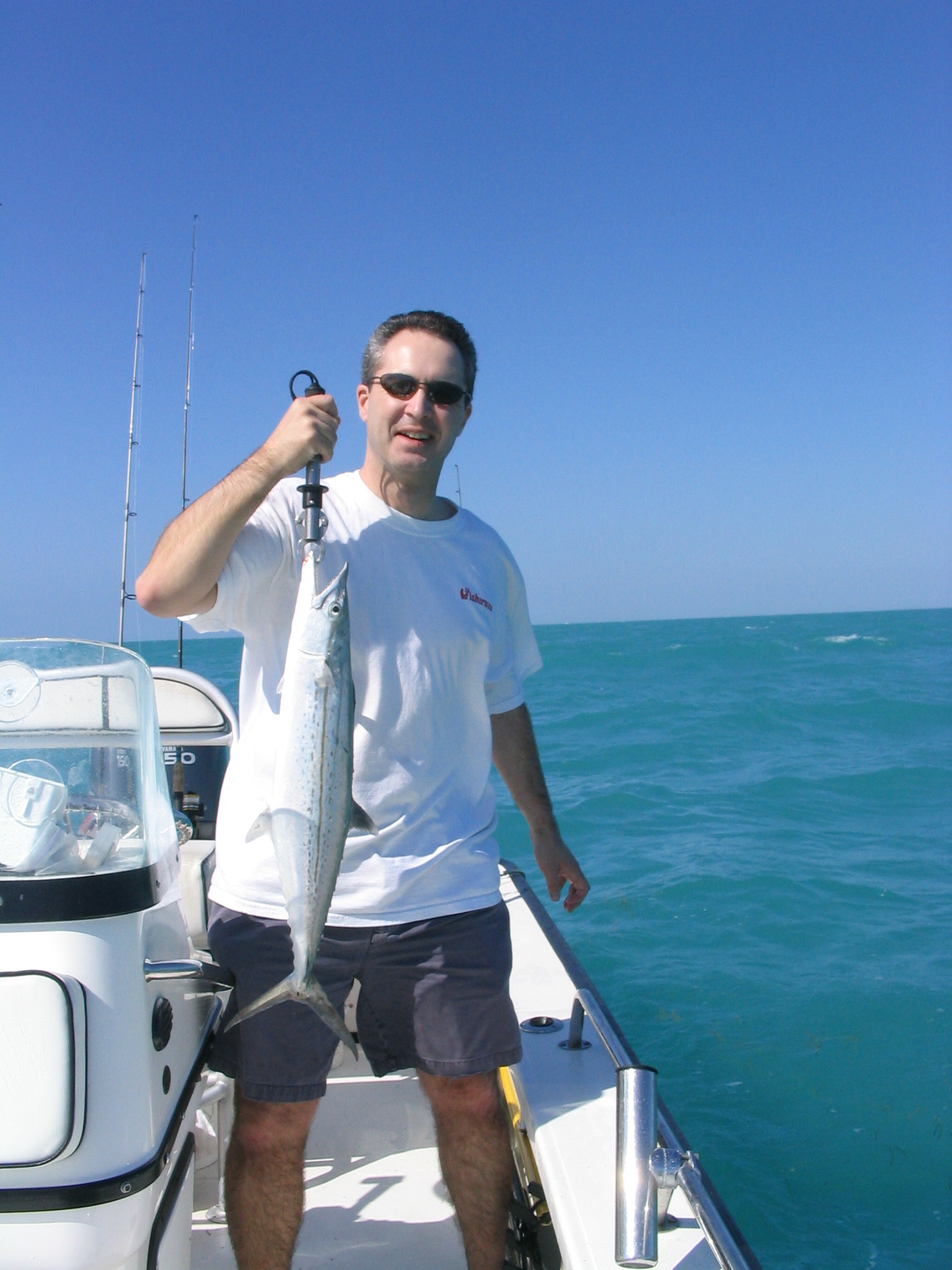
Panama City combines a large bay system, productive passes, Gulf beaches, piers, artificial reefs, and offshore blue water. St. Andrews Bay and West Bay support redfish, spotted seatrout, flounder, sheepshead, and Spanish mackerel, while the pass, jetties, and Gulf add pompano, cobia, king mackerel, snapper, grouper, and amberjack.
Use this page to plan the fishery by habitat and season. Before launching, read the latest Panama City fishing report and scan the Panama City report archive.
Where to Fish
St. Andrews Bay offers grass flats, docks, bridges, channel edges, and oyster structure. West Bay has broad shallow areas and creek systems where redfish and trout feed around bait. The St. Andrews Pass and jetties concentrate current and bait, creating opportunities for bull redfish, Spanish mackerel, flounder, sheepshead, and seasonal pelagics.
Shell Island provides beach and pass-side water for pompano, redfish, mackerel, and sharks. Offshore, artificial reefs and natural bottom hold snapper, grouper, triggerfish, amberjack, and pelagic visitors. Depth alone is not a plan—look for relief, bait, current, and water quality.
Best Species by Season
Winter: Sheepshead, redfish, trout, and deeper-water species dominate. Cold fronts create short windows, so sheltered bay water is valuable.
Spring: Cobia migration, Spanish mackerel, pompano, and improving inshore action make spring one of the most varied periods.
Summer: Reef fishing, king mackerel, snapper, and early inshore sessions are highlights. Heat and storms favor dawn departures.
Fall: Cooling water concentrates bait and can produce bull redfish, flounder, Spanish mackerel, and trout. Use the Panama City seasonal fishing calendar for monthly timing.
Tackle and Tactics
For bay fishing, a medium spinning rod with 10- to 20-pound braid and fluorocarbon leader handles trout, redfish, and flounder. Paddletails, jerkbaits, topwaters, live shrimp, and finger mullet are effective. Around jetties and bridges, increase leader strength and use enough weight to maintain control without anchoring the bait unnaturally.
Offshore tackle depends on target and depth. Carry a sounder, mark bait and structure, and avoid repeatedly drifting empty bottom. When trolling for pelagics, work color changes, tide lines, bait schools, and reef edges instead of fixed mileage.
Boat Ramps and Public Access
- St. Andrews State Park: shore, jetty, and beach access near the pass; review park hours and safety restrictions.
- St. Andrews Marina: a central launch point for bay and pass access.
- Carl Gray Park: public shoreline and launch access near North Bay and the Hathaway Bridge area.
- West Bay public launches: useful for anglers focusing on protected western bay water; verify the chosen ramp’s current status.
Pass conditions can become dangerous when wind opposes tide. Check marine forecasts, ramp status, and navigation notices, and do not assume bay weather reflects Gulf conditions.
How to Plan a Productive Day
Panama City anglers should build two plans: one for protected bay water and one for the Gulf. A north or east wind may leave portions of St. Andrews Bay manageable even when the beach and pass are uncomfortable. On calm days, start with nearshore or offshore structure, then return to the bay before afternoon wind and storms increase.
For inshore trips, use the tide to sequence stops. Fish flats and topwater lures early, then shift to channel edges, docks, bridges, and the pass as the sun climbs. For surf or pier trips, moving water, a clean trough, and visible bait matter more than occupying the same spot all day. Pack a lighter casting setup and a heavier bait outfit so the plan can change without returning home.
Local preparation also matters: rinse tackle after every trip, carry sun protection and water, and review the safest route through the pass before departing. If offshore visibility deteriorates or thunderstorms build, return early rather than waiting for the conditions to reach the bay.
Regulations and Trip Planning
Check current FWC and federal regulations, seasons, closures, and required reef-fish equipment before keeping fish. Gulf seasons can change during the year, and charter and private recreational rules may differ.
Surf and pier anglers can use our surf rods under $200 guide; boaters may benefit from the fish finders under $500 guide. Build each trip around wind direction and tide, then choose the bay, pass, beach, or Gulf rather than forcing one plan.
Planning a trip?
This report tells you what happened. ReelAI tells you what to do about it — a briefing for your date, your target species and how you're fishing, built from our reports plus live NOAA and USGS data.
Powered by ReelAI — fishing.digital's intelligence layer. Answers are generated from fishing.digital reports and public NOAA, NWS and USGS data, and may be incomplete or out of date. Regulations and marine safety information are summaries only; always confirm with the responsible authority before you fish.