
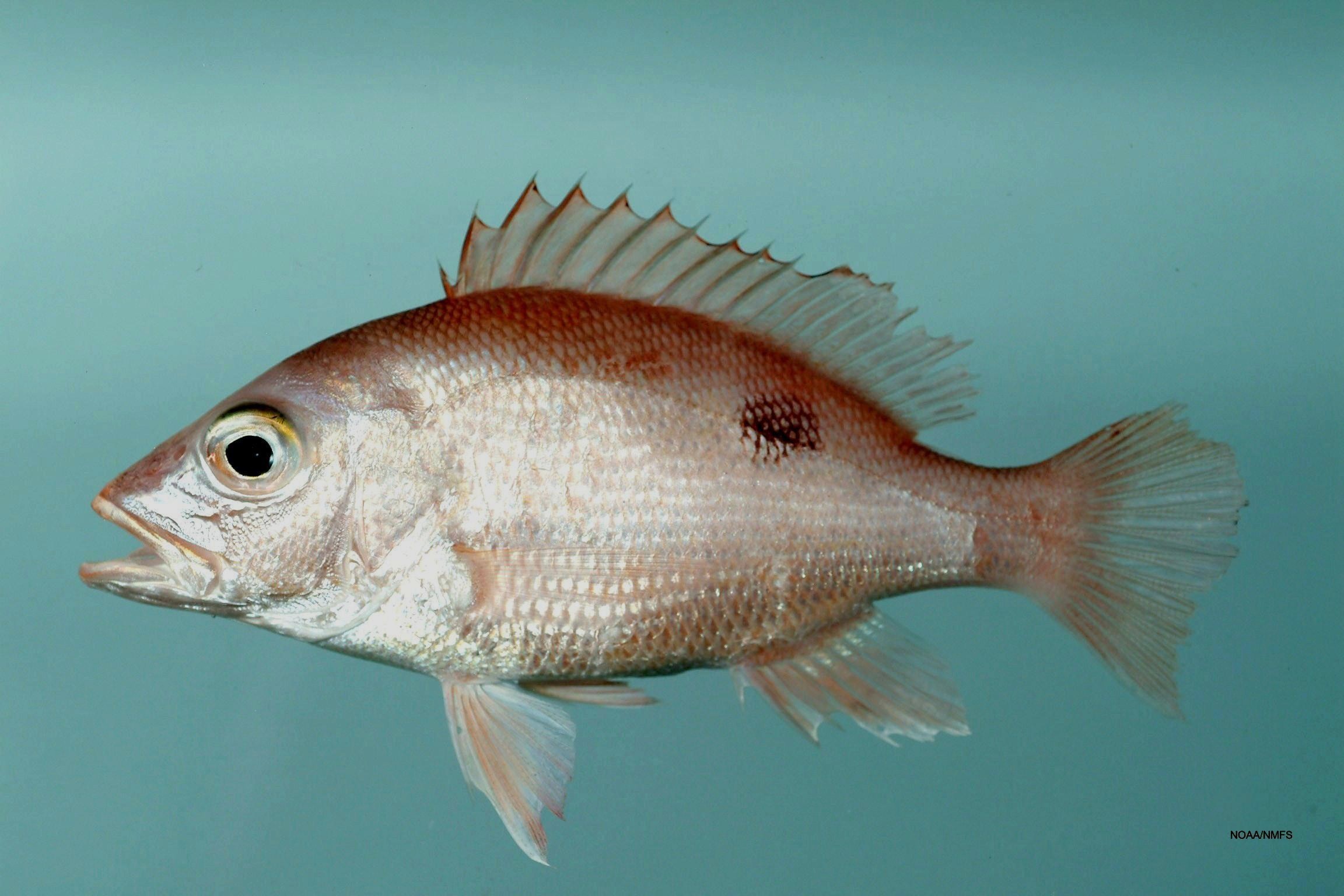
This week in the Keys, the July full moon has the mangrove snapper spawn running at full throttle, and just about every patch reef from Key Largo to Key West is holding fish. Calm mornings and a light southeast breeze have kept the reef and the offshore grounds equally reachable.
What’s Hitting
Mangrove snapper are the story — thick on the patches in 15 to 40 feet, with the bigger spawners sliding out to the reef edge after dark. Permit are still riding the wrecks in 50 to 90 feet, tarpon are trickling along the oceanside channels in smaller numbers than June, and the mahi picture offshore is scattered but workable, with better fish under birds and debris in 600-plus feet.
Where to Find Them
Anchor up-current of any patch reef with good relief between Tavernier and Marathon and start a chum line — the snapper will tell you quickly if you’re on them. The Gulf-side wrecks out of Marathon and Key West are holding the permit schools. For mahi, run the color changes and scattered weed south of the reef and cover water.
Tides & Conditions
Spring tides around the moon mean strong current on the reef — the snapper feed best when it’s moving but not ripping. Seas have been 2 feet or less most mornings, with the usual afternoon storm risk building over the Gulf side.
Tackle & Tactics
For spawn-run snapper, 20-pound fluorocarbon, a small circle hook, and a fresh ballyhoo plug or live pilchard drifted back in the chum out-fishes heavier gear ten to one. Wreck permit want a live crab on a knocker rig dropped just up-current of the structure. Offshore, keep a pitch rod rigged with a small ballyhoo for anything that pops up under birds.
Local Intel This Week
Founders Park in Islamorada, Harry Harris Park in Tavernier, and the 33rd Street ramp in Marathon are the most reliable public launches this week. The heaviest snapper concentrations are on the oceanside patches in the Upper and Middle Keys, with the reef-edge fish showing after sundown. Snapper regulations differ between state and federal waters and the spawn draws heavy enforcement attention — check current FWC regulations and seasons before keeping fish.
This Week’s Tip
During the spawn it’s easy to fill a cooler fast, but the fish that made the spawn happen are the ones worth releasing. Take a few for dinner and let the big breeders go — and move the boat before you clean out a single patch.
More Florida Keys Resources
Florida Keys Fishing Guide · Florida Keys Seasonal Calendar · All Florida Keys reports →
Also read: Florida Keys Fishing Report — Week of July 30, 2026: Permit on the Wrecks, Mutton Snapper
Reports updated every Thursday on fishing.digital.
Planning a trip to Florida Keys?
This report tells you what happened. ReelAI tells you what to do about it — a briefing for your date, your target species and how you're fishing, built from our reports plus live NOAA and USGS data.
Powered by ReelAI — fishing.digital's intelligence layer. Answers are generated from fishing.digital reports and public NOAA, NWS and USGS data, and may be incomplete or out of date. Regulations and marine safety information are summaries only; always confirm with the responsible authority before you fish.