Updated: Thursday, June 4, 2026 · Next update: Thursday, June 11, 2026
This Florida Keys fishing report for the week of June 4, 2026 covers a transition week from Key Largo to Key West. Early June keeps the spring tarpon run very much alive while summer patterns settle in: bridges and channels load with silver kings, permit tail the flats and ride the wrecks, and mangrove snapper gather in spawning numbers around structure. Tarpon are the lead target. Tidal flow is the main condition to plan around, with the full moon setting up the snapper action.
What’s Hitting
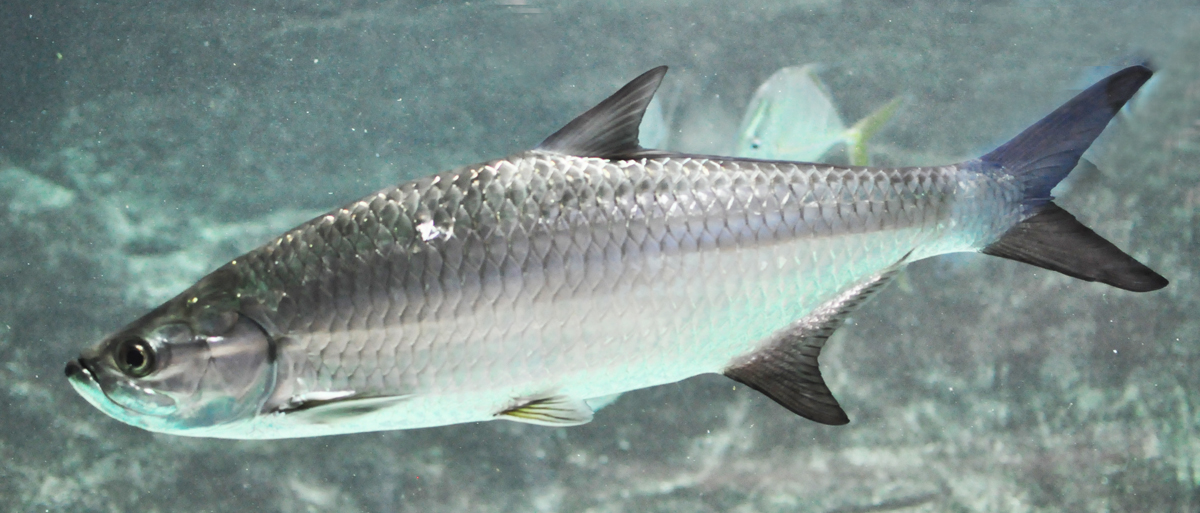
Tarpon are still the main event, holding around the bridges and channels and moving through the basins on the tides. Permit fishing is excellent, with fish tailing the oceanside flats on the higher water and stacking on the wrecks and channel edges.
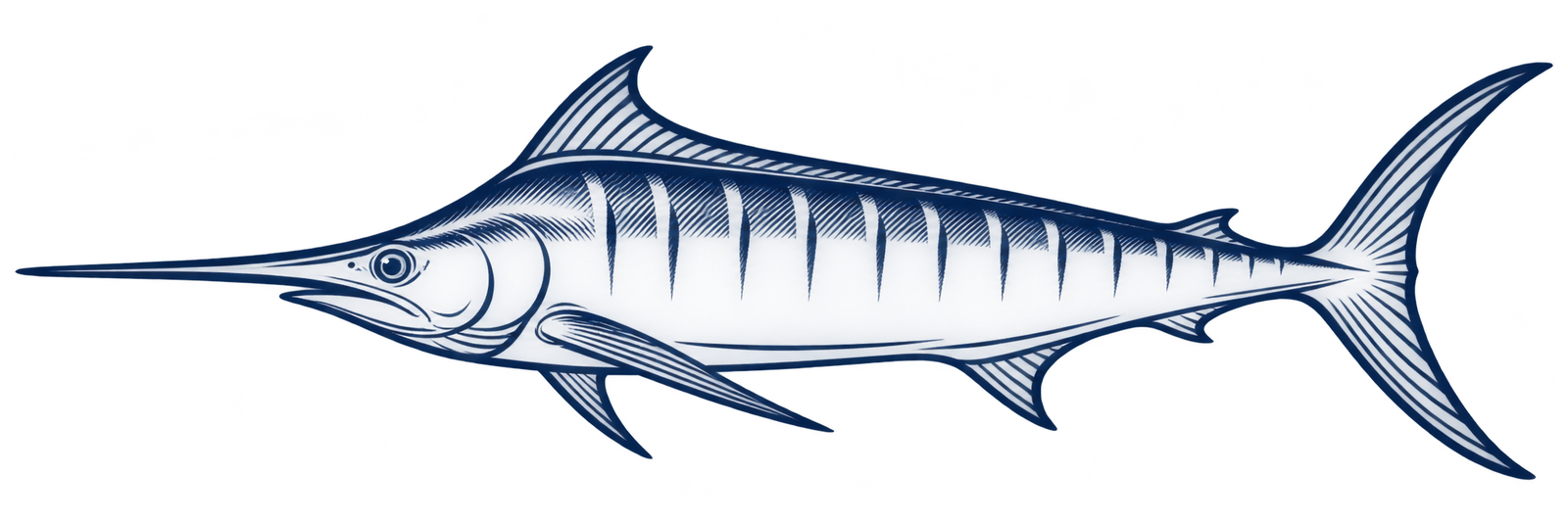
Mangrove snapper start their summer spawn around the patch reefs and wrecks, which means fast action and quality fish on the right tide and moon. Offshore, mahi are scattered along the edge and around weed lines, with a few wahoo and blackfin tuna mixed in. Bonefish stay on the flats early and late before the heat builds.
Where to Find Them
Work the bridges, Bahia Honda, Channel Two, Channel Five and the Seven Mile, for tarpon on the moving water. Bridges concentrate tarpon because current funnels bait through a narrow gap and the pilings give fish a break to hold behind.
Permit anglers should check the oceanside flats and the wrecks in 30-90 feet. For snapper, the patch reefs and deeper wrecks come alive on the few days around the full moon. Run to the Hump or the edge in 200-plus feet for offshore pelagics, watching for birds and weed.
Tides & Conditions
Tarpon and permit both key on tidal flow. The bridges fish best on a hard-moving tide, while the flats produce on the incoming push of clean water. Snapper fishing peaks at night and around the full moon. Light summer winds in the forecast should lay the oceanside down and open up the wrecks and reef edge.
Tackle & Tactics
- Bridge tarpon: live crabs and mullet on 50-60 pound leader; fly anglers can sight-fish the migrating strings on the flats.
- Permit: a live crab pitched ahead of a tailing fish is the classic approach, and it takes patience, since permit refuse far more baits than they eat.
- Snapper: light fluorocarbon, small hooks and a steady chum line turn a slow drift into a steady pick. The chum draws fish up off the structure and into the slick, where a lightly weighted bait drifts naturally with the scraps.
- Mahi: chartreuse or natural jigs and live pilchards along the edge.
Local Intel This Week
In the Upper Keys, Harry Harris Park and Founders Park offer public access to nearshore water and are good bases for small boats heading to the flats and patch reefs. In Key West, Simonton Street Beach is another public option. The Bahia Honda and Seven Mile bridges anchor the Middle and Lower Keys tarpon fishery on the moving tide. Check current FWC and federal regulations and seasons before keeping fish.
This Week’s Tip
If you are after snapper, time your trip to the full moon and fish after dark. Mangroves get line-shy in the bright water of midday but feed aggressively at night around structure. Drop your leader size and let the chum do the work.
Planning a trip to Florida Keys?
This report tells you what happened. ReelAI tells you what to do about it — a briefing for your date, your target species and how you're fishing, built from our reports plus live NOAA and USGS data.
Powered by ReelAI — fishing.digital's intelligence layer. Answers are generated from fishing.digital reports and public NOAA, NWS and USGS data, and may be incomplete or out of date. Regulations and marine safety information are summaries only; always confirm with the responsible authority before you fish.