
The peak of the spring offshore season has arrived off Fort Lauderdale. Mahi (dolphin) are the headline along the current edges, the Intracoastal and the inlet are holding tarpon, and the reef is producing a steady mixed bag. With the Gulf Stream pushing in close, the runs are short and the options are wide open.
Peak mahi offshore
This is prime time for dolphin. Run east to the color changes, weed lines, and floating debris in 150 to 600 feet and look for frigate birds working over bait. Trolling rigged ballyhoo covers water to find the fish, and once you locate a school under a weed patch or a board, pitching live or cut bait keeps them at the boat. There are slammers in the mix with the schoolies this time of year, so keep a pitch bait ready. Blackfin tuna, bonito, and the tail end of the sailfish bite round out the blue-water action.
Tarpon and snook inshore
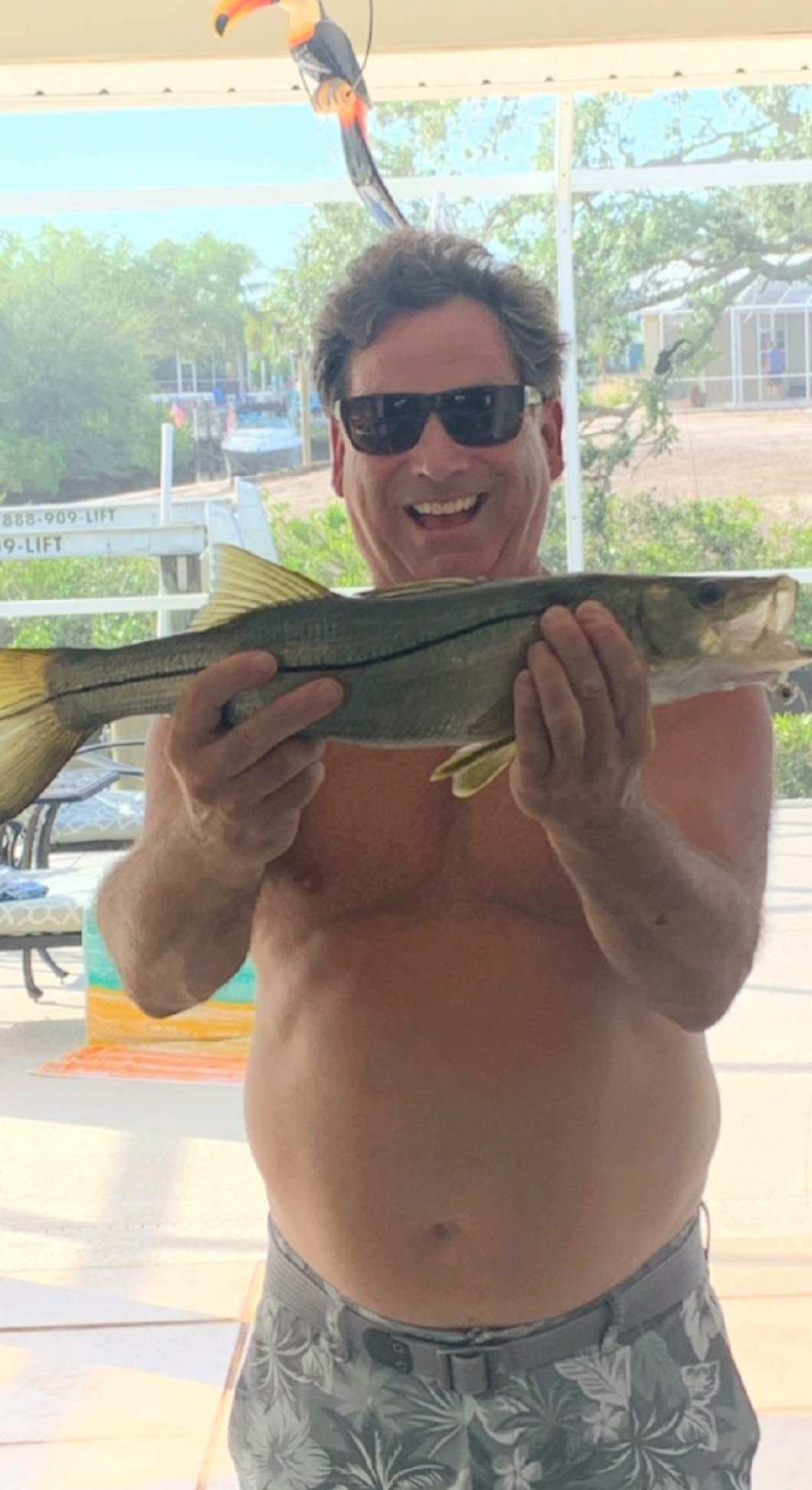
Tarpon are working the Intracoastal, the inlet at Port Everglades, and the beaches, especially around the bridges and the dock lights at night. Live mullet, crabs, and big swimbaits on the moving tide get bit. The snook bite is strong along the beaches, the inlet, and the dock lights — and on the Atlantic coast the season is open through May 31 with a slot, so late May is your last window to keep one before the summer closure begins. After that they are catch-and-release.
Reef and snapper
Drift the reef in 60 to 130 feet for a mixed bag — mangrove snapper turn on hard after dark, and there are kingfish, bonito, and the occasional cobia for the daytime drifters. Mutton snapper are a target on the deeper edges. Light leader and a quietly presented bait on the moving tide make the difference on pressured reef fish.
- Mahi: weed lines and color changes, 150–600 ft, troll and pitch
- Tarpon: Intracoastal, inlet, and bridges on live bait at night
- Snook: beaches and inlet — Atlantic season open through May 31
- Snapper: reef drifts, mangroves best after dark
Where to focus this week
Run the current edge off Port Everglades in 150 to 300 feet for mahi, and look for the weed lines and the birds rather than fishing dead water. Inshore, the Intracoastal bridges — 17th Street, Las Olas, Sunrise — and the dock lights hold tarpon and snook after dark. The second and third reef lines in 60 to 120 feet are the spots for the snapper drift.
For mahi, naked or lightly skirted ballyhoo on 30- to 50-pound gear covers water well, with a pitch bait ready for the slammers. At the bridges, a 40- to 50-pound fluorocarbon leader and a live mullet or a big swimbait on the moving tide get the tarpon and snook. On the reef, drop to light 20-pound fluorocarbon and a small live bait for the pressured snapper.
Conditions and timing
The close Gulf Stream means you can get offshore even on marginal days, but the dolphin bite and the ride are both far better when the wind lays down, so watch the forecast and pick the lighter mornings. Inshore and on the reef, the moving tide is the key, and the snapper and tarpon bites both improve after dark. The summer afternoon storm pattern is setting in, so get the offshore trips done early.
Looking ahead to June
The mahi run carries into June, and the tarpon and snapper bites strengthen as the water warms. Note the calendar: the Atlantic snook season closes June 1, so after this week every snook goes back until the fall. Keep planning the offshore trips for the calm morning windows ahead of the building afternoon storms.
Regulations reminder: seasons and slot limits change through the year. Confirm the current rules with your state agency before you keep a fish.
On the water this week? Send your photos and details through our reader report form — the best submissions run in next week’s report.
Planning a trip to Fort Lauderdale?
This report tells you what happened. ReelAI tells you what to do about it — a briefing for your date, your target species and how you're fishing, built from our reports plus live NOAA and USGS data.
Powered by ReelAI — fishing.digital's intelligence layer. Answers are generated from fishing.digital reports and public NOAA, NWS and USGS data, and may be incomplete or out of date. Regulations and marine safety information are summaries only; always confirm with the responsible authority before you fish.