
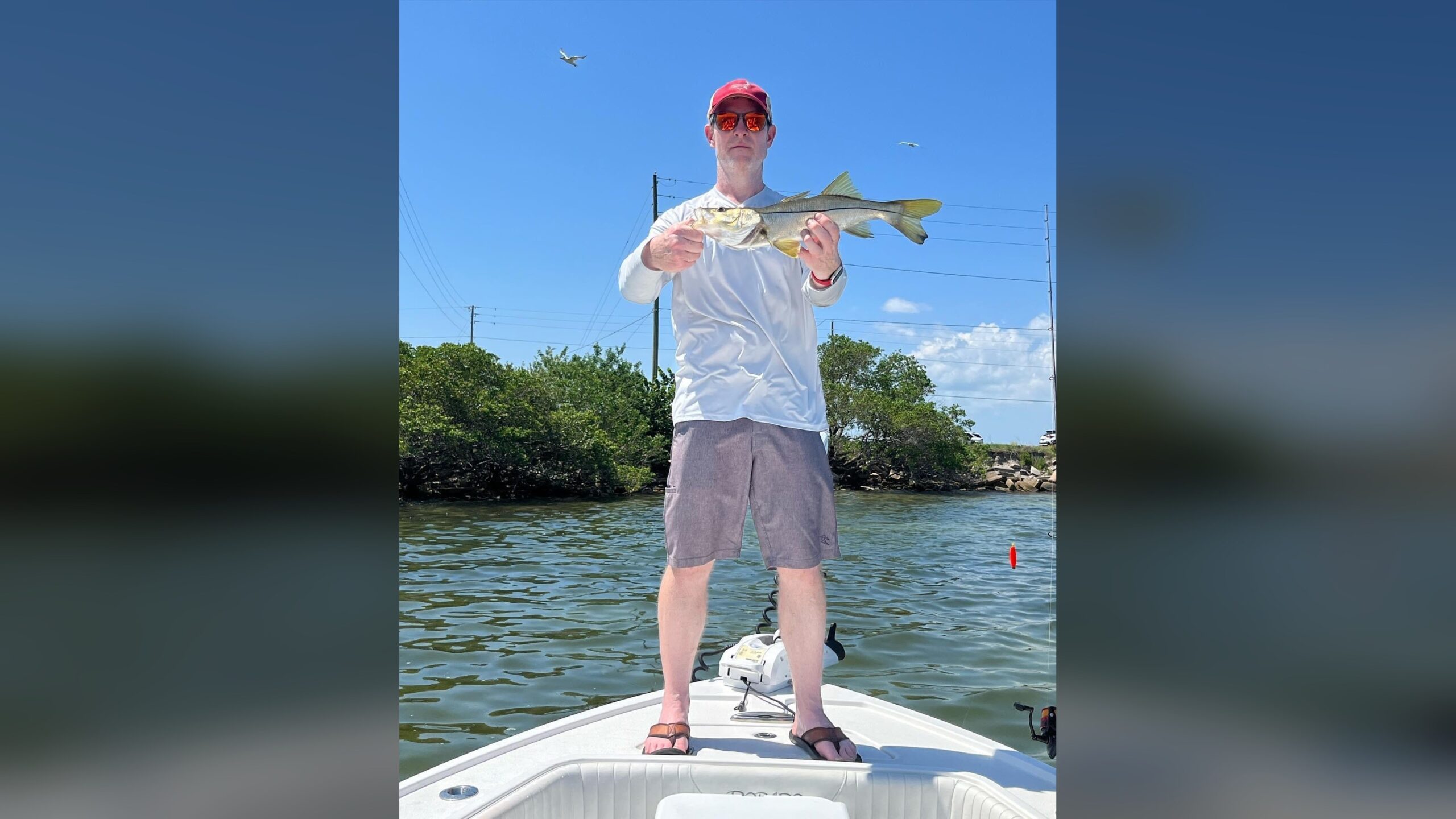
Late May is when Southwest Florida shifts into its summer gear, and the Naples and Marco Island fishery is firing on every front. Tarpon are stacking in the Ten Thousand Islands and along the beaches, snook are lining the sand, and the backcountry is loaded with redfish, trout, and snapper. Water temperatures have climbed into the low 80s, the bait has thickened up, and the bite reflects it.
Tarpon take over
The tarpon migration is at or near its peak. Fish are rolling along the beaches in the calm early mornings and stacking in the deeper passes and the channels of the Ten Thousand Islands. The most reliable program is to idle the beachfront at first light, locate rolling or pushing fish, and lead the school with a threadfin or a live crab on a circle hook. In the passes, a crab fished on the bottom on the moving tide produces, and the strongest bite comes on the harder water rather than the slack.
These are big, powerful fish — 80 to 130 pounds is common — so fish a stout setup, a long fluorocarbon leader, and a healthy drag. Resist the urge to run the schools down on the beach; stay off the fish, set up ahead of them, and let the bait come to them.
Snook on the beaches
Snook have moved onto the beaches and into the passes in numbers, and they are a sight-fishing treat in the clear, calm water. Remember the Gulf snook season is closed through the summer, so every fish goes back — but they are a blast on a small white jig, a soft plastic, or a live pilchard pitched ahead of cruising fish. The passes and the beach troughs at first light are the spots.
Backcountry reds, trout, and snapper
Inside the Ten Thousand Islands, redfish are working the oyster bars, points, and creek mouths on the higher water. Soft plastics, gold spoons, and cut bait around the structure all produce, and a clear, calm morning gives you a shot at sight-casting tailing fish. Seatrout are over the deeper grass and around the potholes — a popping cork with a shrimp imitation keeps them coming. Mangrove snapper have stacked on the passes, the nearshore structure, and the bridges, and they are outstanding on the table; light fluorocarbon and a live shrimp or small pilchard is the ticket.
- Tarpon: beaches and passes, threadfin and crabs on moving water at dawn
- Snook (C&R, Gulf closed): beaches and passes, jigs and live bait
- Reds & trout: backcountry bars and grass, soft plastics and corks
- Mangrove snapper: passes and structure on live shrimp
Where to focus this week
For tarpon, work Gordon Pass, Big Marco Pass, and Capri Pass on the moving tide, and idle the beachfront from Naples Pier south to Marco at first light. Redfish are best back in the Ten Thousand Islands shorelines and around Cape Romano on the higher water, while the Marco River and the inside bays hold the better concentrations of trout. Mangrove snapper are thick on the pass structure and the nearshore reefs.
On the rigging side, a 5500-class spinner with 50- to 65-pound braid, a 60- to 80-pound fluorocarbon leader, and a 6/0 to 7/0 circle hook on a live crab is the standard tarpon setup. For beach snook, scale way down — a 3000-class outfit, 15- to 20-pound braid, and a quarter-ounce jig or a small soft plastic lets you make the long, accurate casts the clear water demands.
Tactics and timing
The whole fishery favors the early start now. The tarpon, the snook, and the backcountry all bite best in the cool, calm first hours and slow down hard once the sun gets high. Build your morning around the moving tide for the tarpon and the snapper. Watch the afternoon storms — they are a daily event this time of year in Southwest Florida and can build quickly, so plan to be heading in by midday. Carry plenty of water and sun protection.
Looking ahead to June
As June settles in, the tarpon bite should hold strong through the month and the mangrove snapper fishing will only improve on the structure. The Gulf snook stay catch-and-release until September, so plan to release them all summer. Expect to start even earlier as the heat builds and the afternoon storms become a daily certainty.
Regulations reminder: seasons and slot limits change through the year. Confirm the current rules with your state agency before you keep a fish.
On the water this week? Send your photos and details through our reader report form — the best submissions run in next week’s report.
Planning a trip to Naples/Marco Island?
This report tells you what happened. ReelAI tells you what to do about it — a briefing for your date, your target species and how you're fishing, built from our reports plus live NOAA and USGS data.
Powered by ReelAI — fishing.digital's intelligence layer. Answers are generated from fishing.digital reports and public NOAA, NWS and USGS data, and may be incomplete or out of date. Regulations and marine safety information are summaries only; always confirm with the responsible authority before you fish.