
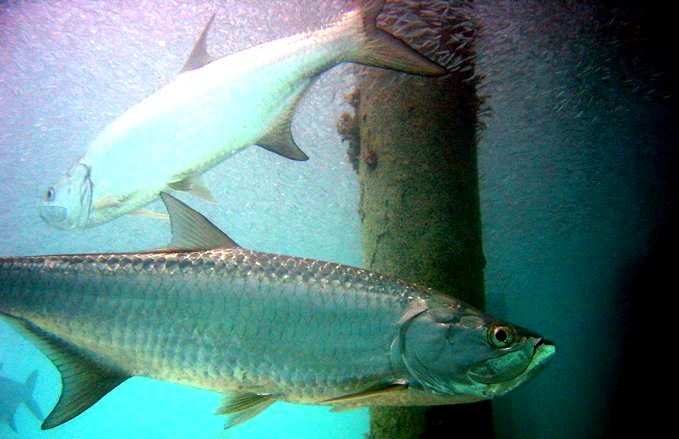
The tarpon fishing around Boca Grande, Captiva, and the Sanibel passes is at its mid-June peak, and the fish are stacked. Snook are thick on the beaches, mangrove snapper have moved nearshore, and the back country produces reds early. This is the marquee stretch of the Southwest Florida year, so fish the calm mornings hard.
What’s Hitting
Tarpon are the main event, stacked in Boca Grande Pass, Captiva Pass, and along the beaches in big numbers. Snook are bunched on the beaches and around the passes (closed season — release them). Mangrove snapper have stacked the nearshore reefs and passes, and redfish are working the back-country bars and mangroves. Spanish mackerel and a few cobia are nearshore.
Where to Find Them
Boca Grande Pass is the famous tarpon spot, and Captiva and Redfish passes hold fish too, all best on the moving tide. The beaches from Sanibel up through Captiva hold cruising tarpon and snook at first light. Nearshore reefs in 20 to 50 feet are loaded with snapper. For reds, work the back-country oyster bars and mangroves of Pine Island Sound on the higher tides.
Tides & Conditions
Tarpon stack and feed hardest on the strong moving tides through the passes, especially around the tide change. The beaches fish best in the calm early morning. Snapper bite improves on moving water. The summer sea breeze and afternoon thunderstorms are a daily feature, so the morning is your window. Water is warm and the passes can run hard. Boca Grande Pass runs hardest on the tide change, and that strong flow is when the tarpon stack and feed, so plan your drifts around the moving water.
Tackle & Tactics
Live crabs, threadfins, and pinfish are the Boca Grande tarpon staples; fish 50- to 80-pound fluoro and circle hooks, and respect the pass etiquette in the crowd. Snook eat jigs and live baits along the beach. Snapper want light fluoro and live shrimp nearshore. Reds in the back country eat cut bait, live shrimp, and gold spoons around the bars.
Local Intel This Week
Punta Rassa on San Carlos Bay is the closest ramp to the Sanibel Causeway and the lower Sound, while the Matlacha ramps on Pine Island reach the Sound’s mangrove shorelines. Tarpon are stacked in Captiva, Redfish, and Boca Grande passes on the moving tide, with snook along the beaches. Gulf snook is closed for harvest — check current FWC regulations before keeping anything.
Spots & Access This Week
The Punta Rassa ramp at the foot of the Sanibel Causeway is the fastest launch to the Sound and the passes, while the Bay Oaks ramp on Fort Myers Beach and the Matlacha ramps on Pine Island reach the mangrove shorelines of Pine Island Sound. Tarpon are concentrating in Captiva, Redfish, and Boca Grande passes on the moving tide, with snook stacked along the Sanibel and Captiva beaches and around the causeway. Backcountry redfish are holding on the oyster bars and mangrove points in the Sound on the higher water.
Reading the Water
In the passes, the strongest tarpon window comes on the hardest part of the moving tide, when the current funnels pass crabs and bait through the guts — position up-current and drift a crab back naturally rather than casting on top of rolling fish. For beach snook, cover water at first light: walk the trough and cast to moving pods rather than sitting on one stretch of sand. As the water heats into the mid-80s through the day, back off to the deeper pass edges and the shaded mangrove shorelines where the fish pull to hold.
This Week’s Tip
In a crowded pass like Boca Grande, fall into the rotation and don’t crowd other boats — drift in line, fish your baits in the current, and pick up to re-drift when your turn ends. The tarpon are there; the difference between a good day and a bad one is reading the tide and keeping your baits in the strike zone during the strongest flow.
More Fort Myers / Sanibel Resources
Fort Myers / Sanibel Fishing Guide · Fort Myers / Sanibel Seasonal Calendar · All Fort Myers / Sanibel reports →
Also read: Fort Myers/Sanibel Fishing Report — Week of July 30, 2026: Beach Snook, Redfish on the Bars
Reports updated every Thursday on fishing.digital.
Planning a trip to Fort Myers/Sanibel?
This report tells you what happened. ReelAI tells you what to do about it — a briefing for your date, your target species and how you're fishing, built from our reports plus live NOAA and USGS data.
Powered by ReelAI — fishing.digital's intelligence layer. Answers are generated from fishing.digital reports and public NOAA, NWS and USGS data, and may be incomplete or out of date. Regulations and marine safety information are summaries only; always confirm with the responsible authority before you fish.