
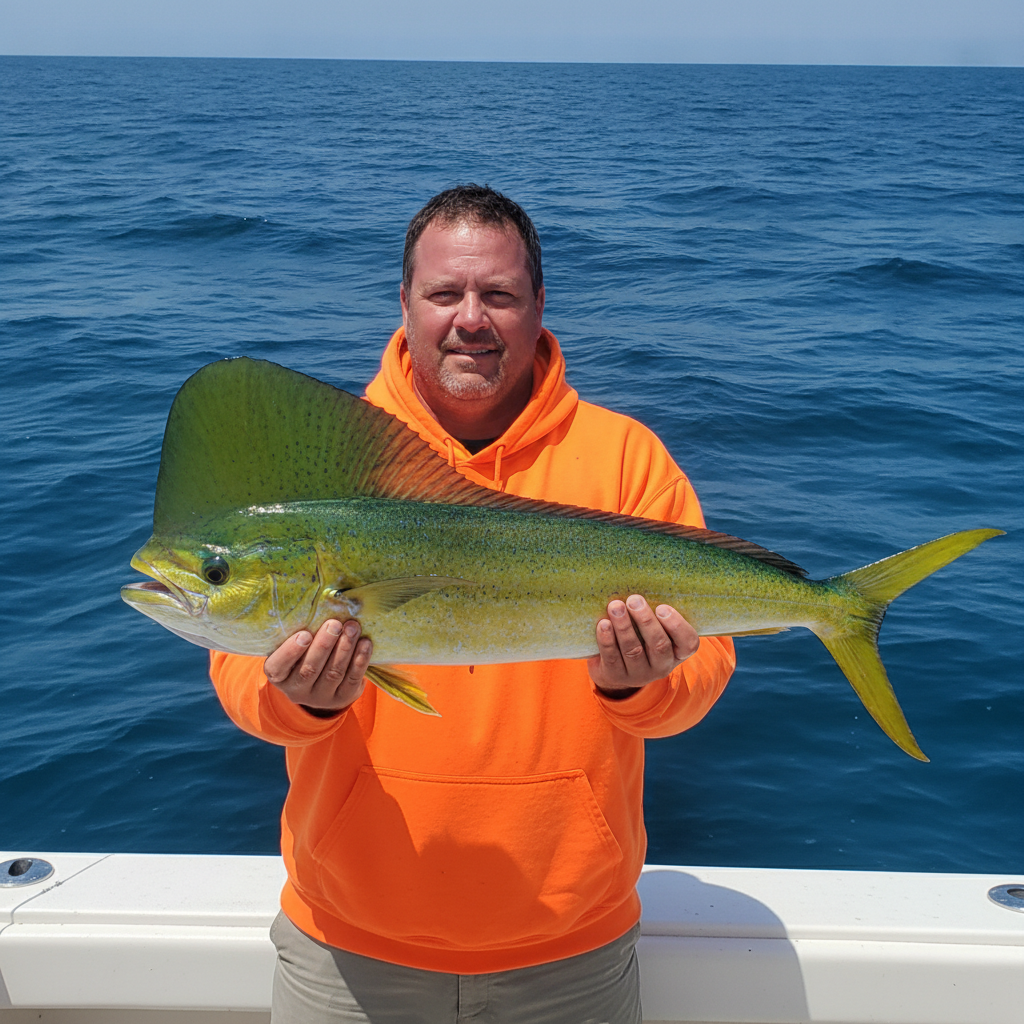
Palm Beach County’s summer offshore season is producing, with mahi scattered along the Gulf Stream edge and a mix of bottom fish on the reefs. Inshore, tarpon have piled into the inlets and are working the beaches, and snook line the inlet rocks. Get the offshore run done early before the daily storms build over the Atlantic.
What’s Hitting
Mahi are the offshore highlight along the weed lines and color changes, with sailfish, blackfin, and bonito mixed in. Kingfish and mutton snapper are on the reef edge, and mangrove snapper have stacked the reefs. Inshore, tarpon are piled into the Palm Beach, Lake Worth, and Boynton inlets and along the beaches, and snook line the inlet rocks (release only).
Where to Find Them
Run offshore to the 120- to 250-foot edge for mahi along weed lines and current breaks. The reef line in 60 to 120 feet holds kings, muttons, and mangroves. Inshore, fish the inlets — Palm Beach, Lake Worth, Boynton — for tarpon and snook on the moving tide, and the beaches for cruising tarpon early. The patch reefs are stacked with mangrove snapper.
Tides & Conditions
Mahi fishing keys on finding weed lines and bird activity along the Stream. Tarpon pile into the inlets and feed on the moving tides, especially around bait flushing out on the outgoing. The morning offshore window is calmest before the sea breeze and afternoon storms. Water is warm and the Stream has been close. Plan to run home ahead of the daily thunderstorms. The inlets dump on the outgoing tide and pile the tarpon at the mouths, while the Stream stays close for an early mahi run before the storms.
Tackle & Tactics
For mahi, troll ballyhoo on the edge or pitch baits to weed lines and debris with spinning gear. Tarpon in the inlets want live mullet, crabs, and croakers on 50- to 60-pound fluoro and circle hooks. Snapper respond to light fluoro and live baits on the reef. Keep a pitch rod rigged for fast-moving summer mahi around any floating structure.
Local Intel This Week
Phil Foster Park at the Blue Heron Bridge is the closest ramp to the Lake Worth Inlet and the popular bridge tarpon and snook fishery, with Currie Park serving the central ICW. Mahi are out on the edge east of the inlets, and tarpon are piling into the inlets on the outgoing tide. Confirm current FWC and federal regulations before keeping fish.
Spots & Access This Week
Riviera Beach Municipal Marina and Phil Foster Park at Blue Heron serve the Palm Beach and Lake Worth inlets, with Burt Reynolds Park in Jupiter covering the north end. Mahi are scattered along the Gulf Stream weed lines and rips in 200 to 400 feet, while tarpon stack in the Palm Beach and Jupiter inlets and feed hard on the night tides. Mangrove and mutton snapper are working the reefs in 60 to 120 feet, with kingfish still around on the nearshore structure.
Reading the Water
Working the inlet tarpon at night, downsize your leader and keep the presentation quiet — pressured fish under the lights get leader-shy, and a crab drifted naturally in the current on lighter fluoro earns eats a heavy rig gets refused. Offshore, cover water to find clean, holding weed lines rather than sitting on one number; the mahi follow the bait riding those current edges, so time hunting good weed pays off.
This Week’s Tip
Work the inlets on the outgoing tide for tarpon. As the tide falls, it flushes bait out of the Intracoastal and stacks the tarpon at the mouth to ambush it. Position up-current, drift live baits back into the current seams along the rocks, and you’ll find the most consistent inlet tarpon action right through the moving water.
More Palm Beach Resources
Palm Beach Fishing Guide · Palm Beach Seasonal Calendar · All Palm Beach reports →
Also read: Palm Beach Fishing Report — Week of July 30, 2026: Mahi Offshore, Snapper on the Reef
Reports updated every Thursday on fishing.digital.
Planning a trip to Palm Beach?
This report tells you what happened. ReelAI tells you what to do about it — a briefing for your date, your target species and how you're fishing, built from our reports plus live NOAA and USGS data.
Powered by ReelAI — fishing.digital's intelligence layer. Answers are generated from fishing.digital reports and public NOAA, NWS and USGS data, and may be incomplete or out of date. Regulations and marine safety information are summaries only; always confirm with the responsible authority before you fish.