Updated: Thursday, May 28, 2026 · Next update: Thursday, June 4, 2026
This Fort Myers/Sanibel fishing report covers late May, when the fishery reaches its late-spring peak. Tarpon are the lead species, with the Boca Grande Pass run at its annual maximum. Snook move to the beaches from Sanibel down through Bonita, and the offshore mahi bite is within reasonable runs. Plan around the tide stages in the pass and calm, light-wind mornings.
What’s Hitting
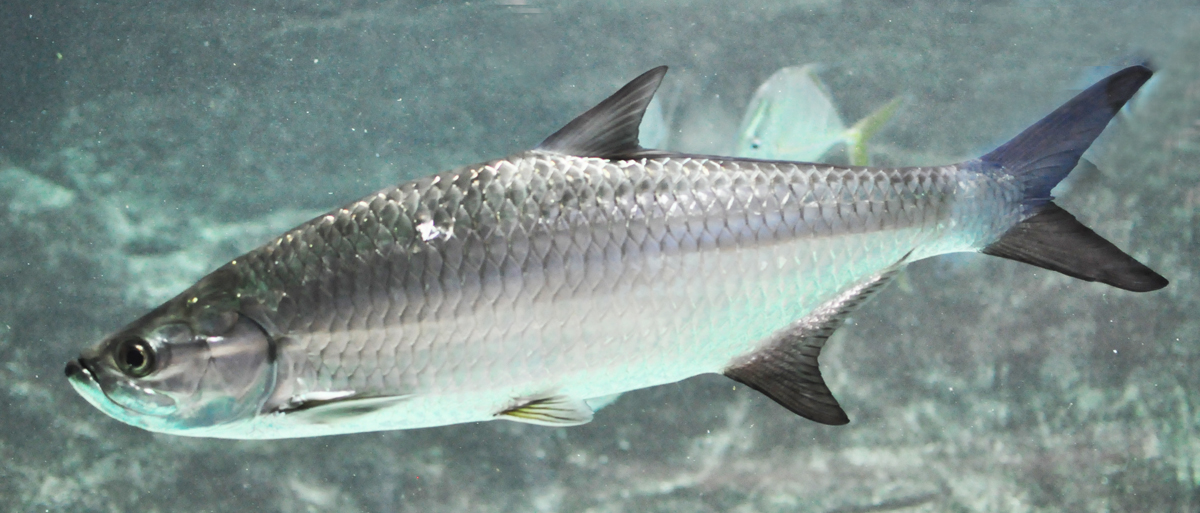
Tarpon are the yearly headline, with schools of 80-180 lb fish stacked in Boca Grande Pass and more migrating fish along the Sanibel and Captiva beaches. Snook complete their move to the beach pattern, and the night dock-light action continues. Redfish deliver slot fish on the oyster bars and mangroves, and seatrout fill the cooler once you locate a school.
Offshore, the mahi bite is mid-window: mostly schoolies, with gaffers in the 20-30 lb class possible. Kingfish are reliable for daily action.
Where to Find Them
In Boca Grande Pass, tarpon hold in 30-90 feet of water, with 50-plus boats working the pass on peak tide days. Beach tarpon cruise in 15-25 feet off Sanibel and Captiva. Beach snook work the trough from Sanibel and Captiva through Fort Myers Beach and down to Bonita and Lovers Key, and the dock lights through Pine Island Sound and the Caloosahatchee system hold night fish.
Redfish work the oyster bars and mangrove shorelines through Pine Island Sound and the Matlacha area. Seatrout settle on deeper grass flats in 4-6 feet around Bokeelia and St. James City. Offshore, run 15-25 miles to weed lines and color breaks for mahi, and fish artificial reefs and natural bottom in 40-70 feet for kings.
Tides & Conditions
Fish Boca Grande on the tide stages, with the morning tide the top choice. Beach snook feed at dawn and dusk, and reds respond on the lower tides. Beach tarpon sight casting demands calm conditions. Water temperatures climb into the upper 80s, and the new moon on June 5 brings a strong tarpon push and active inshore feeding cycles.
Tackle & Tactics
Live-bait drifting is the dominant technique in Boca Grande Pass. Use the trolling motor to hold position along productive depth contours and present live crabs or scaled sardines on circle hooks. Strikes are committed, and the hook-set is the circle-hook lift.
Beach snook eat white, bone or natural-colored swimming plugs and DOA Bait Busters. Reds take cut bait, live shrimp or weedless gold spoons, and trout eat live shrimp under a popping cork. Sight cast beach tarpon from flats skiffs at first light. Offshore, troll ballyhoo on light fluoro for mahi and slow-troll blue runners for kings.
Local Intel This Week
Etiquette is paramount in crowded Boca Grande Pass: don’t anchor on top of drifting boats, don’t crowd hookups, and listen to VHF channel 16. The local charter fleet has fished this water for decades, and visiting boats should defer.
Punta Rassa Boat Ramp is the public launch. Lovers Key State Park puts anglers on the beach snook water, and Matlacha Community Park gives access to the Matlacha redfish shorelines. Red snapper, gag and red grouper open June 1 in federal Gulf waters (verify NOAA). Check current FWC and federal regulations and seasons before keeping fish.
This Week’s Tip
In the pass, drift with the school and feather the trolling motor to stay on the productive contour so the crab or sardine stays at the fish’s depth. When a tarpon eats, don’t jerk: let the line come tight and lift steadily so the circle hook sets in the corner of the jaw. Then work beach snook at dusk.
Planning a trip to Fort Myers/Sanibel?
This report tells you what happened. ReelAI tells you what to do about it — a briefing for your date, your target species and how you're fishing, built from our reports plus live NOAA and USGS data.
Powered by ReelAI — fishing.digital's intelligence layer. Answers are generated from fishing.digital reports and public NOAA, NWS and USGS data, and may be incomplete or out of date. Regulations and marine safety information are summaries only; always confirm with the responsible authority before you fish.