
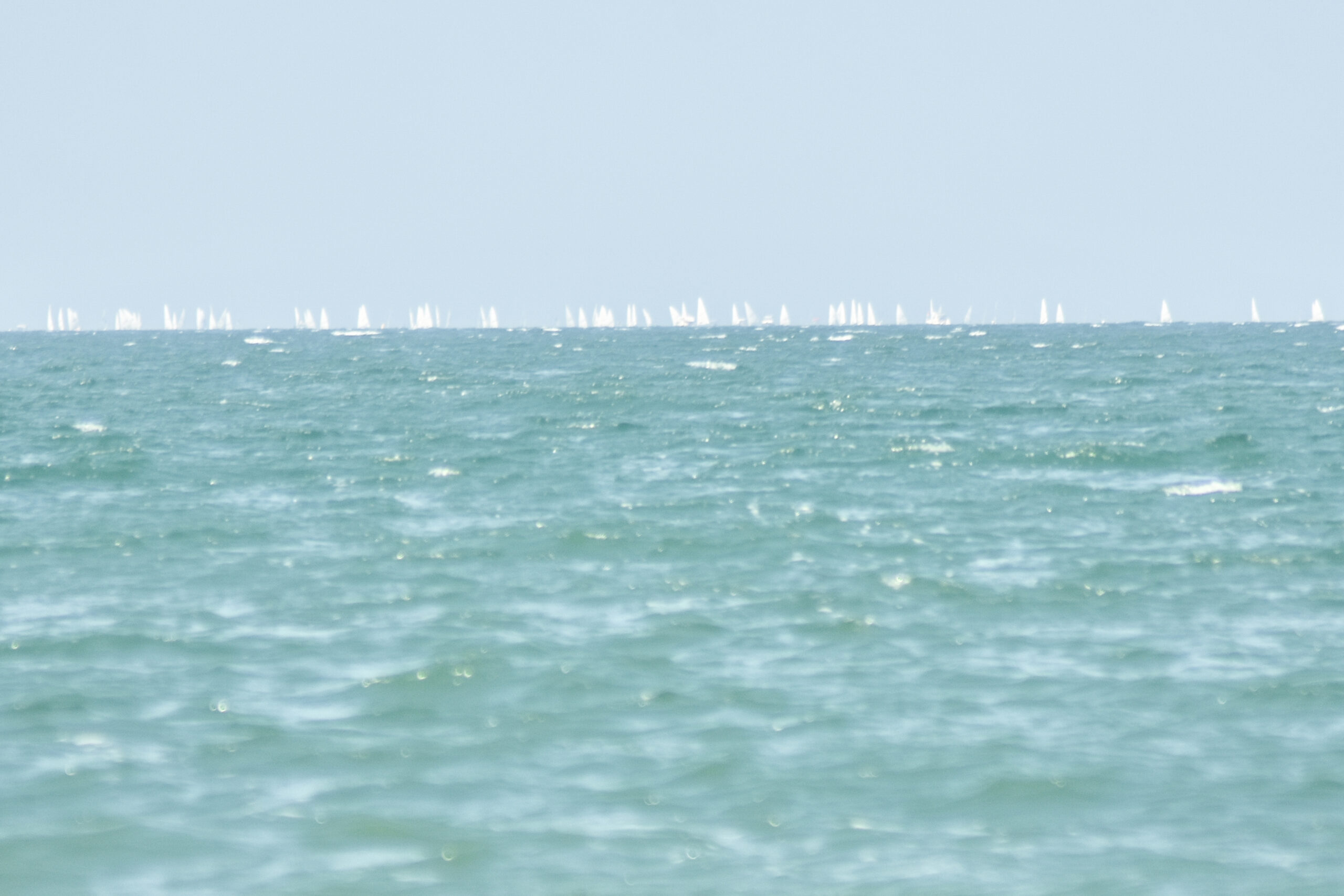
The walleye bite on Lake Erie’s western basin remains the headline across the Great Lakes this week. Fish have spread out across the basin and are being taken trolling crankbaits and worm harnesses and casting weight-forward spinners over the reefs and open water. The fish have been chunky and plentiful, and the central basin is starting to produce as well.
Smallmouth bass are hitting well around the reefs, rock piles, and islands across Erie and the other lakes, taking tubes, drop-shots, and crankbaits — post-spawn fish have settled onto structure and are feeding aggressively. Yellow perch are schooling over the deeper bottom and provide fast action and excellent eating on minnows.
On Lake Michigan and Lake Huron, the salmon and trout troll has been productive, with kings, coho, steelhead, and lake trout coming on spoons and flasher-fly combos run at varying depths. Boats have been finding scattered fish on the temperature breaks and bait schools out in the open water.
Inland and around the harbors, largemouth bass, pike, and panfish are active in the shallows and around weed edges as summer patterns set in. The pier and shoreline anglers have found perch and the occasional walleye on the calm mornings.
Watch the wind on the big water and get out early. The Erie walleye and smallmouth bite should remain excellent through June, and the Lake Michigan salmon troll continues to produce for the trolling crowd.
Spots & Access This Week
The Great Lakes have more public access than any angler can use in a lifetime, but a few ramps carry most of the June traffic. On Lake Erie, the Fairport Harbor and Conneaut ramps cover the central basin and the Catawba Island and Mazurik ramps serve the western basin reefs. On Lake St. Clair, the Selfridge and Lake St. Clair Metropark ramps are the standards. Lake Michigan anglers use the Manistee and Ludington municipal ramps, and on Lake Ontario the Oswego and Wilson Harbor ramps get you to the good water quickly.
Breakwalls and piers at nearly all of these harbors give shore anglers real access, particularly early and late in the day.
Fish have been concentrating on the rocky reefs and drop-offs for smallmouth, and over the deeper basin water for walleye. Regulations differ substantially by state, by province and by individual lake, and several waters carry fish consumption advisories — check current state, Ontario and lake-specific regulations before keeping fish.
Tactics That Are Working
For walleye, trolled worm harnesses and crankbaits run behind planer boards or divers at the depth you are actually marking fish continue to be the most efficient way to cover water. Speed matters more than color on most days — start slow and work up until you find the pace that triggers strikes.
Smallmouth are on the rocks and respond to a drop-shot with a soft plastic minnow, a tube jig worked slowly across the boulders, or a swimbait swum over the reef tops. In the connecting waters, muskie anglers should be throwing large bucktails and glide baits and finishing every single cast with a proper figure-eight — a startling number of June fish eat within a rod length of the boat.
This Week’s Tip
Let the electronics pick your depth, not your habits. In early summer the productive band on a Great Lakes trolling pass is often a narrow window tied to the thermocline and the bait layer. Find the depth where the marks are stacked, then put your whole spread within about ten feet of it. A spread set twenty feet off will run all morning without a bite on water that is full of fish.
More Great Lakes Resources
Great Lakes Fishing Guide · Great Lakes Seasonal Calendar · All Great Lakes reports →
Also read: Great Lakes Fishing Report — Week of July 30, 2026: Michigan Salmon, Erie Walleye
Reports updated every Thursday on fishing.digital.
Planning a trip to Great Lakes?
This report tells you what happened. ReelAI tells you what to do about it — a briefing for your date, your target species and how you're fishing, built from our reports plus live NOAA and USGS data.
Powered by ReelAI — fishing.digital's intelligence layer. Answers are generated from fishing.digital reports and public NOAA, NWS and USGS data, and may be incomplete or out of date. Regulations and marine safety information are summaries only; always confirm with the responsible authority before you fish.