
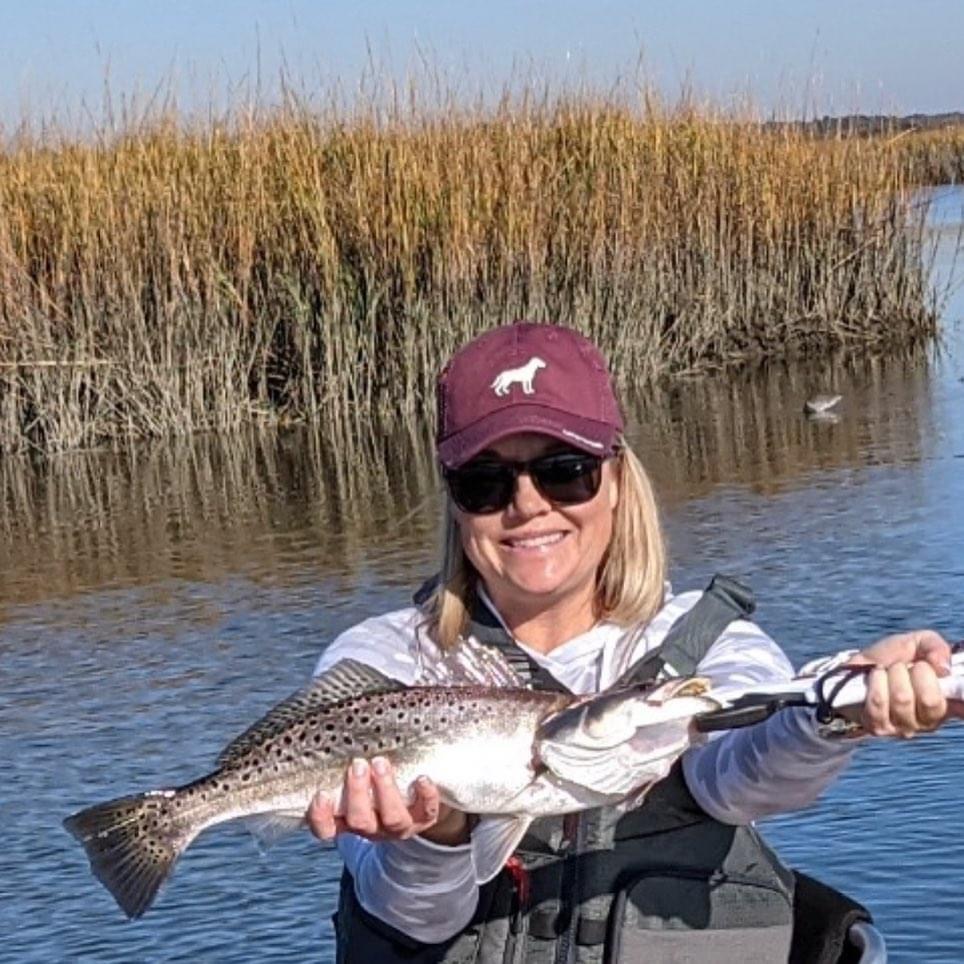
The lagoon is running hot and the fishing has compressed into a narrow morning window. Surface temperatures are in the high 80s by nine o’clock and the fish that were feeding on the shallow grass at sunrise slide to the deeper edges and the channel dropoffs as the day builds. The new moon at the end of the week will move more water through the system than the lagoon has seen in two weeks.
What’s Hitting
Speckled trout are the most consistent target, feeding on the deeper grass and potholes at first light. Redfish are holding along the spoil islands and mangrove shorelines, schooling on the higher water. Black drum are around the bridge pilings and the deeper docks, a good option once the trout bite fades. Snook are in the residential canals and around the causeways, catch-and-release only. Juvenile tarpon and ladyfish are rolling in the deeper basins at sunrise, and mangrove snapper are on every piece of hard structure in the system.
Where to Find Them
The spoil islands along the Intracoastal from Melbourne south through Sebastian are the reliable redfish and trout water. The Wabasso, Melbourne and Eau Gallie causeways hold drum, snapper and snook. The deeper grass edges in 4 to 6 feet near the channel produce trout once the sun is up. Sebastian Inlet is worth a night pass for snook and the occasional tarpon on the strong tides.
Tides & Conditions
Lagoon water is 86 to 90 degrees. New-moon tides mean better flow through Sebastian Inlet and more movement in the lagoon proper, which the fish respond to. Storms have been building daily by early afternoon. Water clarity is fair in the central lagoon and stained after the rain; look for the cleaner edges, which is usually where you will find the trout.
Tackle & Tactics
A 2500-size reel with 10- to 15-pound braid and 20- to 25-pound fluorocarbon covers the lagoon work. Soft plastics on a quarter-ounce jighead are the most versatile presentation for trout on the deeper grass; a topwater walker at first light is the fun version and still catches. Redfish are eating gold spoons and weedless plastics along the islands. For black drum on the bridges, a piece of fresh dead shrimp on a knocker rig and 20-pound leader is all you need.
Local Intel This Week
Wabasso Causeway, the Sebastian Inlet ramp and the Eau Gallie ramp are the practical public launches. Shore anglers are catching drum, snapper and snook from the causeway catwalks after dark. Fish are concentrating on the spoil islands, the causeways and the deeper grass edges rather than the shallow interior. Snook harvest is closed on the Atlantic coast right now and redfish and trout rules vary by lagoon zone — check current FWC regulations before keeping any fish.
This Week’s Tip
When the sun gets up, find the clean-water edge. In August the lagoon holds distinct bands of clearer and dirtier water, and the trout sit right on the seam. Idle along until you can see the grass again, then start casting — that line is worth more than any GPS number.
Planning a trip to Indian River Lagoon?
This report tells you what happened. ReelAI tells you what to do about it — a briefing for your date, your target species and how you're fishing, built from our reports plus live NOAA and USGS data.
Powered by ReelAI — fishing.digital's intelligence layer. Answers are generated from fishing.digital reports and public NOAA, NWS and USGS data, and may be incomplete or out of date. Regulations and marine safety information are summaries only; always confirm with the responsible authority before you fish.