Updated: Thursday, June 11, 2026 · Next update: Thursday, June 18, 2026
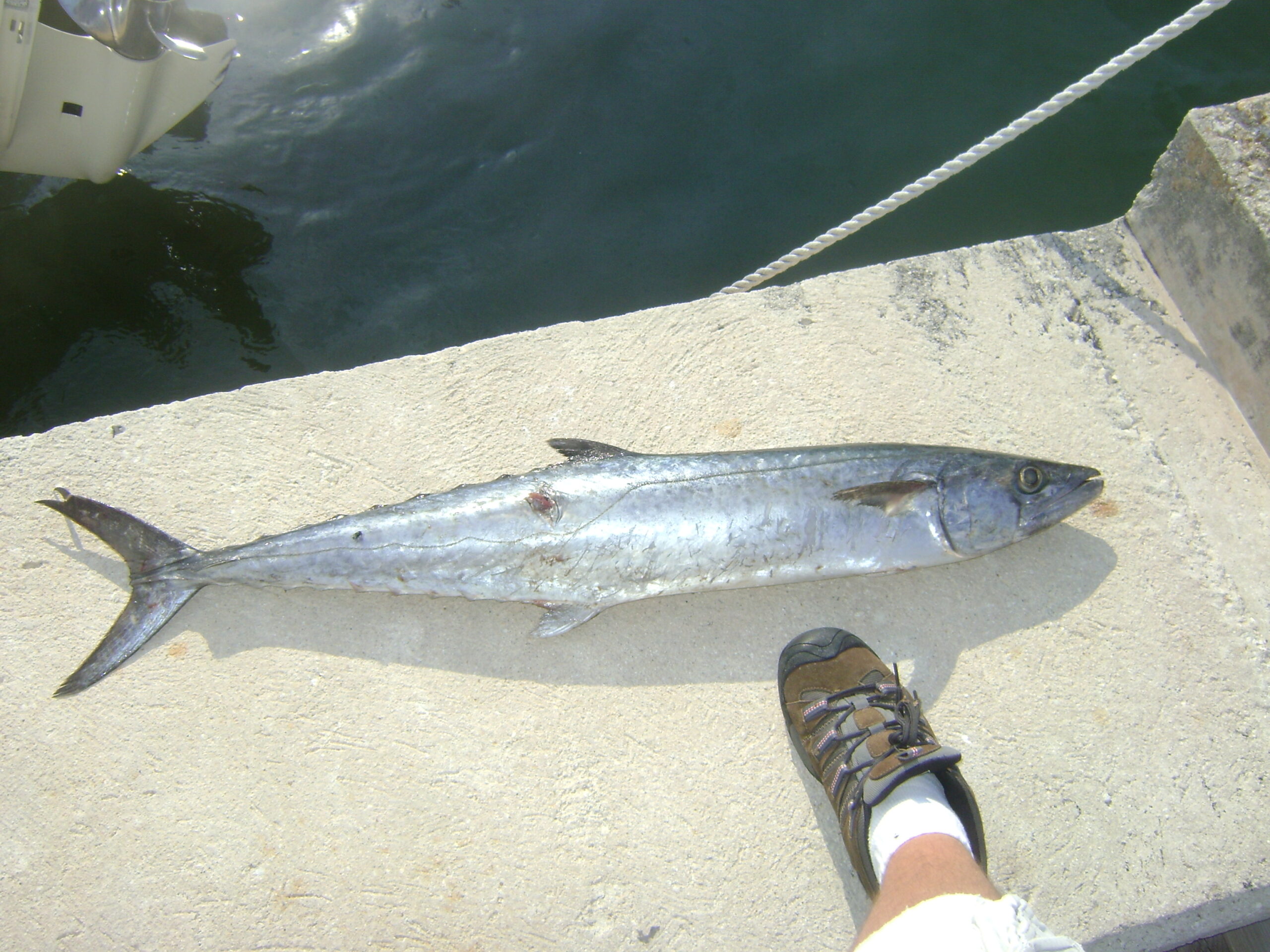
Mid-June settles the summer pattern into place, and this Jacksonville fishing report leads with king mackerel from the beaches out to the ledges. Slow-trolled live menhaden and ribbonfish are the baits, and the nearshore reefs and the area around the jetties offer the most consistent action on cleaner water. Inshore, redfish work the creek mouths, oyster bars and dock lines of the St. Johns and the backcountry. With water temperatures climbing and afternoon storms in the mix, the main thing to plan around is the early and late windows.
What’s Hitting
King mackerel lead the lineup from the beaches to the ledges. Spanish mackerel and bluefish blitz bait pods near the beaches and jetties through the day, and scattered tarpon begin to show along the beaches and around the river mouth, an early sign of the migration to come.
Inshore, redfish work the creek mouths, oyster bars and dock lines, and spotted seatrout sit on the deeper grass and around the bridges, with the early bite most reliable as the water warms. Flounder fill back in around the jetties, dock pilings and channel edges, and mangrove snapper stack on the nearshore structure for fast action and good table fare.
Where to Find Them
Look for kings along the beaches and around the nearshore reefs and the pier, with the reefs and jetties the most consistent zone on the cleaner water. Redfish and trout work the marsh and the lower St. Johns River on the tides.
Around the jetties, big reds and tarpon show on the stronger tides, and the nearshore wrecks offer Spanish mackerel and the occasional cobia. Jetties concentrate fish because the rocks break the current and gather bait, giving predators an ambush point at the edge of strong water.
Tides & Conditions
Climbing water temperatures push the inshore bite toward the early and late windows, and afternoon storms are worth watching, so plan trips around dawn. Cleaner water near the reefs and jetties is where the steadiest king action sets up.
In the marsh, the higher tides let reds push tight to the grass and oyster bars, and the falling water draws them back out to the creek mouths.
Tackle & Tactics
- Kings: slow-troll live pogies along the beach and around the nearshore reefs and color changes, and keep a stinger rig on to convert short strikes. Ribbonfish also work. Kings often slash at the tail of a bait, which is why the trailing hook matters.
- Marsh reds: cut bait, live shrimp or a gold spoon worked tight to the grass and oyster bars on the higher tides.
- Flounder: a finger mullet or mud minnow worked slow along the bottom around pilings, jetties and channel edges.
- Trout: fish the deeper grass and bridges early, before the heat sets in.
Local Intel This Week
The Sisters Creek ramp at Helen Cooper Floyd Park near Mayport is the prime launch for the river mouth, the jetties and the nearshore kingfish grounds. The Mayport-area access and the Atlantic Boulevard ramp on the Intracoastal serve anglers working the ICW, the creek mouths and the backcountry marsh.
Check current FWC and federal regulations and seasons before keeping fish.
This Week’s Tip
Fish the marsh reds on the higher tides with cut bait or a gold spoon tight to the grass and oyster bars, then follow them out to the creek mouths as the water falls.
Planning a trip to Jacksonville?
This report tells you what happened. ReelAI tells you what to do about it — a briefing for your date, your target species and how you're fishing, built from our reports plus live NOAA and USGS data.
Powered by ReelAI — fishing.digital's intelligence layer. Answers are generated from fishing.digital reports and public NOAA, NWS and USGS data, and may be incomplete or out of date. Regulations and marine safety information are summaries only; always confirm with the responsible authority before you fish.