Updated: Thursday, September 17, 2026 · Next update: Thursday, September 24, 2026
This Lake Champlain fishing report covers mid-September, when the first cool nights of fall turn the lake on and kick off the best six weeks of the year. Smallmouth bass that summer deep move back onto the rock points and feed heavily, making them the lead target. Northern pike slide onto the weed edges as the vegetation dies back, and landlocked salmon gather at the river mouths. Plan around falling water temperature, which drives every move.
What’s Hitting
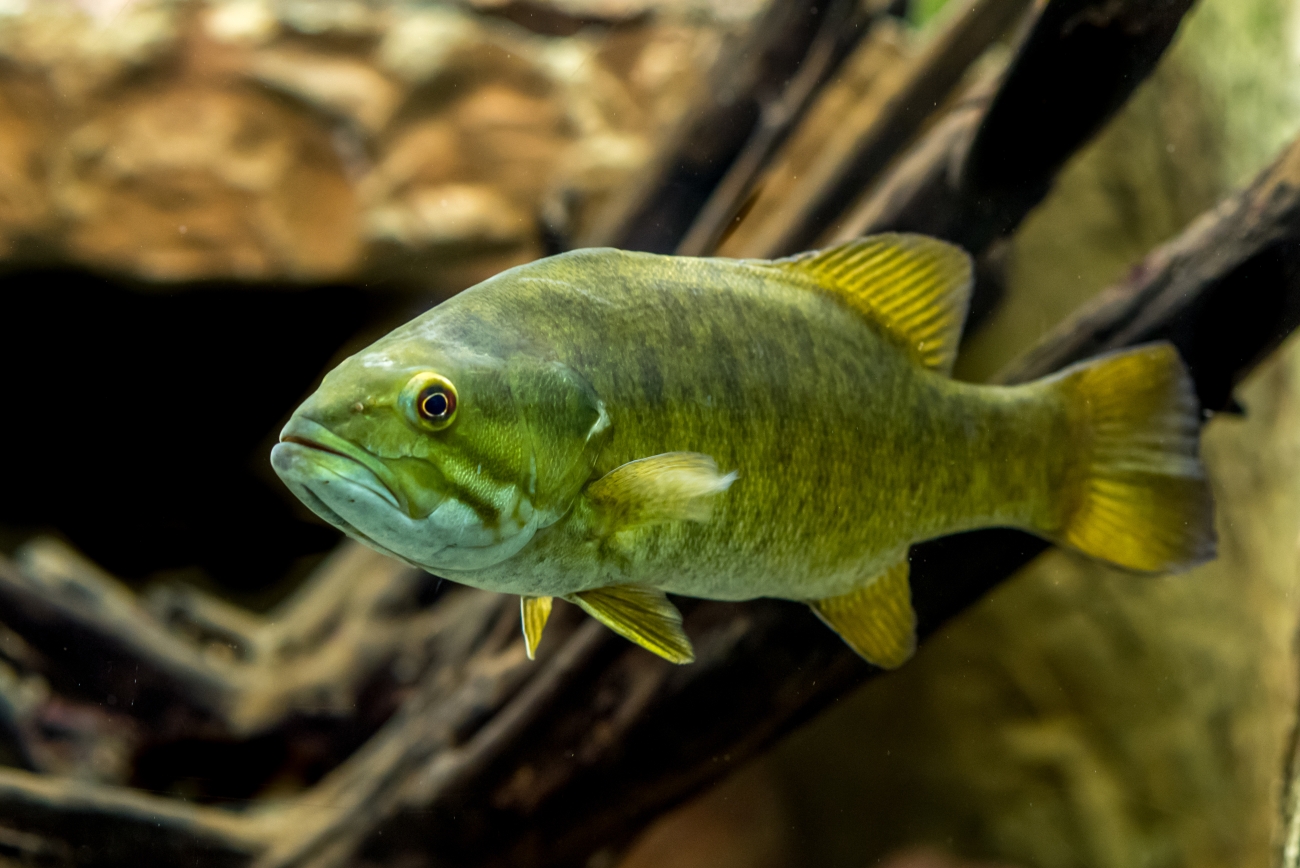
Smallmouth from 2 to 5 pounds sit on the rock points, shoals and drop-offs in 10 to 25 feet, feeding on gobies, perch and smelt. The best areas are the Inland Sea, the Champlain Islands and the New York shoreline from Plattsburgh to Port Henry.
Northern pike work the weed edges and bay mouths in Missisquoi Bay, the Inland Sea and the Ticonderoga area as the weeds begin to die back. Largemouth are steady in the shallow bays on the remaining green weeds. Landlocked salmon stage at the mouths of the Winooski, Lamoille and Boquet rivers, lake trout stay deep on the main lake humps, and yellow perch school on the flats.
Where to Find Them
Target smallmouth on the rock points and shoals around the Champlain Islands, the Gut, the Inland Sea and the New York shoreline reefs in 10 to 25 feet, and move shallower on cloudy days. Pike use the outside weed edges and bay mouths there and in the southern lake. Look for largemouth in shallow weedy bays like Missisquoi Bay and the Ticonderoga marshes. Salmon sit off the river mouths in 20 to 40 feet, and lake trout stay on the main lake humps in 80 to 120 feet.
Tides & Conditions
Surface temps drop into the mid to upper 60s on the main lake and the low 60s in the Inland Sea, which is what moves the smallmouth and stages the salmon. Expect a normal early-fall lake level and clear water. Light north and west winds most mornings leave a calm lake, and fall color starts on the shorelines.
Tackle & Tactics
- Smallmouth: a drop-shot with a goby imitation, a tube or a Ned rig on the rock points, and a jerkbait or topwater early and on cloudy days, on a 7-foot medium spinning rod with 10-pound braid and an 8-pound fluorocarbon leader.
- Pike: a large spoon, a spinnerbait or a swimbait along the weed edges on a heavy rod with a wire or heavy fluorocarbon leader.
- Largemouth: a frog or a jig in the remaining weeds.
- Salmon: a trolled spoon or a streamer fly in the top 20 feet off the river mouths.
- Lake trout: a jig or a downrigged spoon on the humps.
Local Intel This Week
The Vermont state ramps at North Hero, Grand Isle and Burlington’s Perkins Pier, the Malletts Bay ramp, and the New York state ramps at Plattsburgh, Port Henry and Peru Dock are the main public launches. Use North Hero or Grand Isle for the island points, and the Missisquoi Bay and Ticonderoga ramps for the bays. Shore anglers fish the Burlington waterfront and the Sandbar causeway for perch and smallmouth. Rules differ between Vermont and New York waters. Check current state and federal regulations and seasons before keeping fish.
This Week’s Tip
Fall smallmouth on Champlain follow the perch and goby schools along the same drop-offs every day, so when you find a school, mark it and come back on the same wind. Fish in 18 feet on Tuesday are usually within a few yards of that spot on Thursday if the weather holds.
Planning a trip to Lake Champlain?
This report tells you what happened. ReelAI tells you what to do about it — a briefing for your date, your target species and how you're fishing, built from our reports plus live NOAA and USGS data.
Powered by ReelAI — fishing.digital's intelligence layer. Answers are generated from fishing.digital reports and public NOAA, NWS and USGS data, and may be incomplete or out of date. Regulations and marine safety information are summaries only; always confirm with the responsible authority before you fish.