
The Mississippi Sound in late August is a warm, shallow, bait-rich system, and the fishing follows the salinity. Summer river influence keeps the north side of the sound fresh and stained, which pushes the trout out toward the barrier islands and leaves the marsh shorelines to the redfish. It is a reliable pattern if you fish it in the right order.
What’s Hitting
Speckled trout are the primary target and the better concentrations are out at the barrier islands where the water is saltiest and cleanest.
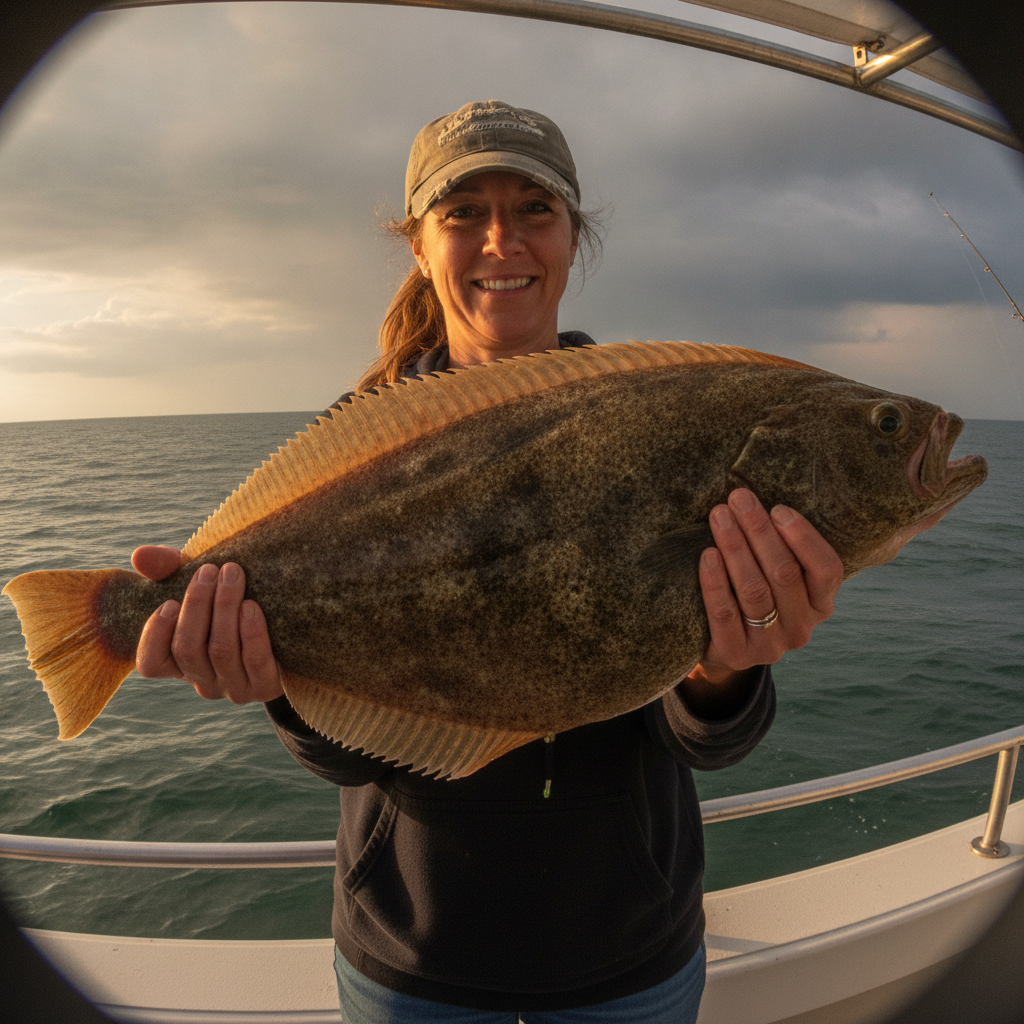
Redfish are working the marsh shorelines, the bayou mouths and the oyster reefs, and they are far more tolerant of the fresher water than the trout. Flounder are staging along the channel drops and around the pier and bridge structure. Tripletail are on the crab trap floats and channel markers. White trout and croaker will keep a bottom rod busy, and there are Spanish mackerel and sharks around the island passes.
Where to Find Them
Cat Island, Ship Island, Horn Island and the passes between them are the trout grounds — fish the surf side and the pass edges where clean Gulf water is moving through.
The marsh shorelines from Bay St. Louis east through Biloxi Bay and the Pascagoula River delta hold the redfish. Work oyster reefs, points and drains. Flounder are on the channel edges and around the Biloxi and Ocean Springs bridge pilings. Tripletail are found by idling the crab trap lines and looking for a dark shape lying just under a float.
Tides & Conditions
Water is in the upper 80s in the sound and slightly cooler at the islands. Salinity is the key variable — the sound is heavily influenced by river discharge, and a wet stretch pushes the trout further out while a dry one lets them move back in.
Tides here are small and largely wind-driven. A south wind pushes clean Gulf water into the sound and improves everything; a north wind drains it and stains it. Afternoon thunderstorms build daily. The run to the barrier islands is committing in a small boat, so watch the forecast rather than the current conditions.
Tackle & Tactics
For island trout, a quarter-ounce jighead with a soft plastic worked over the sand and grass, or a live shrimp under a popping cork. On calm mornings a topwater walked along the island surf side will produce the largest fish of the trip.
Marsh redfish eat a gold spoon, a weedless soft plastic or a market shrimp under a cork fished tight to the oyster edges. Flounder want a live bull minnow or a small finger mullet dragged slowly on a Carolina rig along the drops. For tripletail, pitch a live shrimp on a 1/0 circle past the float and drift it back — never cast directly onto the fish.
Local Intel This Week
Ramps and access: the Long Beach Harbor and Gulfport Small Craft Harbor ramps, the Biloxi Point Cadet ramp, the Ocean Springs Front Beach ramp, and the Pascagoula ramps for the eastern end. Shore anglers have miles of access along the Highway 90 seawall and the Biloxi and Gulfport piers.
Fish are concentrating at the barrier islands where salinity is highest and along the marsh oyster edges. Mississippi speckled trout and redfish carry size and bag limits that have been adjusted in recent years, and some waters are subject to seasonal closures — check current Mississippi DMR regulations before keeping fish.
This Week’s Tip
Let the water color pick your spot. In the Mississippi Sound the line where stained river water meets clean green Gulf water is a genuine feeding edge, and it moves daily with wind and discharge. Idle until you find it, then fish the clean side of the seam. That edge holds more trout than any GPS number you were given last season.
Planning a trip to Mississippi Gulf Coast?
This report tells you what happened. ReelAI tells you what to do about it — a briefing for your date, your target species and how you're fishing, built from our reports plus live NOAA and USGS data.
Powered by ReelAI — fishing.digital's intelligence layer. Answers are generated from fishing.digital reports and public NOAA, NWS and USGS data, and may be incomplete or out of date. Regulations and marine safety information are summaries only; always confirm with the responsible authority before you fish.