Updated: Thursday, August 20, 2026 · Next update: Thursday, August 27, 2026
This Montauk fishing report covers late August, when Montauk does what Montauk does. Striped bass are the lead target in the rips off the Point on the night tides, fluke on the rough bottom run to genuine doormats, and the porgy fishing is so good it borders on comical. Late August is also when the first bonito and false albacore start drifting in on the south side, which puts the best month of the year about two weeks out. Plan around the tide stage and a building southwest breeze.
What’s Hitting
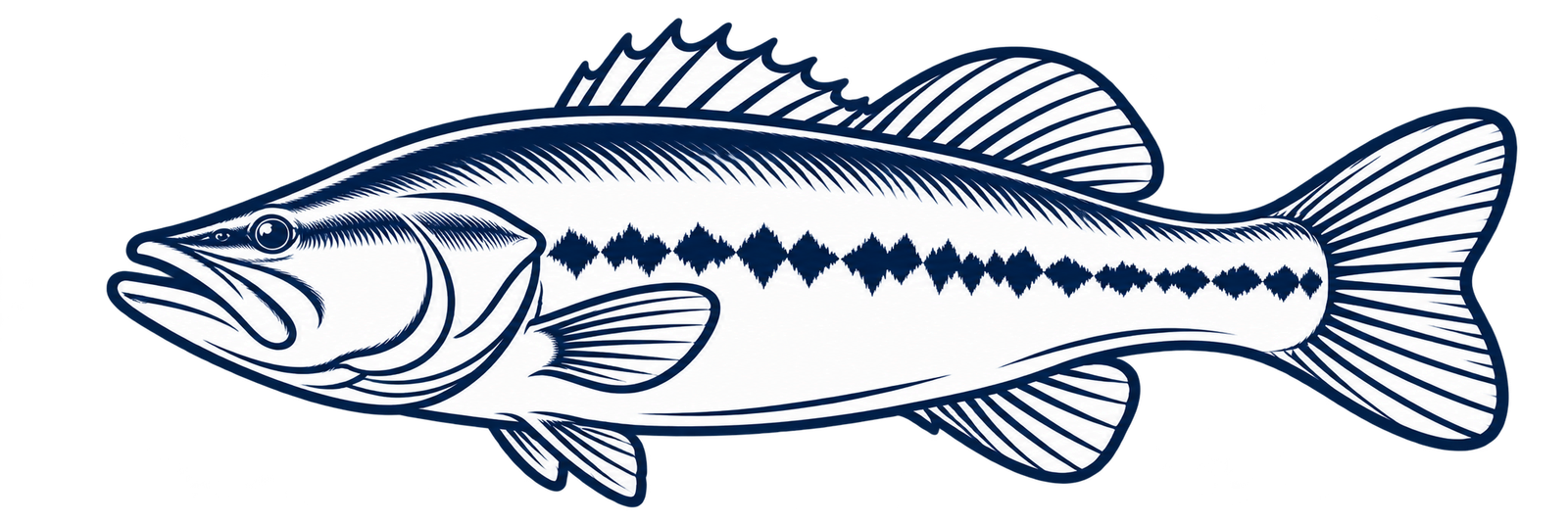
Striped bass sit in the rips on the moving tide, best at night and in the first light of morning. Fluke are on the rough bottom and the wrecks, with the better fish in 60 to 100 feet. Porgies stack on nearly every piece of structure and will save a slow day, and black sea bass mix in on the same bottom. Bluefish are around and occasionally thick.
Bonito and false albacore are just starting. Early fish only, but keep a light rod ready.
Where to Find Them
The rips off Montauk Point, the North Bar and the Elbow are the classic bass water. Fish the down-current side on a moving tide. For the biggest fluke, work the rough bottom off the Point, the Coxes Ledge direction and the wrecks in Block Island Sound.
Porgies are on any structure in Gardiners Bay and around the Point. Watch the rips and the tide lines off the south side for the first albies and bonito working bait.
Tides & Conditions
Tides strengthen through the week off the waxing moon, which is exactly what the rips want. Water temperature sits in the upper 60s to low 70s.
Expect calm mornings with a southwest breeze building through the day. When that wind stacks up against an outgoing tide in the rips, it makes a real sea, so respect it. Fog is an issue on some mornings. Plan around the tide stage rather than the clock.
Tackle & Tactics
- Rip bass: a stout 7-foot rod, a 6000-size spinner or a conventional, 50-pound braid and a three- to six-ounce bucktail worked in the wash of the rip, or a live eel drifted through it at night.
- Rough-bottom fluke: a four- to eight-ounce bucktail with a teaser tipped with squid or a whole spearing, jigged rather than dragged.
- Porgies: a simple high-low rig with clam or squid and a small hook.
- Albies and bonito: a 4000-size spinner with a small epoxy jig, rigged and ready for the first sighting.
Local Intel This Week
The Montauk Harbor ramp at the end of West Lake Drive is the main public launch and fills early. The Three Mile Harbor ramp in East Hampton is the practical alternative and gives good access to Gardiners Bay. Shore anglers work the Point from the lighthouse rocks below Montauk Point State Park, a genuine Montauk tradition and a genuinely dangerous one in a swell; wear a belt and studded soles.
Fish concentrate where the current does the work: the rips, the ledge edges and the structure. New York striped bass rules, including circle-hook requirements, are strict. Check current state and federal regulations and seasons before keeping fish.
This Week’s Tip
In the rips, cast up-current and let the bucktail sink as it drifts back into the wash. Everyone’s instinct is to throw down-current and reel, which pulls the jig up and out of the strike zone. The bass sit behind the boulders in the trough, and they see your bait tumbling toward them the way real bait arrives.
Planning a trip to Montauk?
This report tells you what happened. ReelAI tells you what to do about it — a briefing for your date, your target species and how you're fishing, built from our reports plus live NOAA and USGS data.
Powered by ReelAI — fishing.digital's intelligence layer. Answers are generated from fishing.digital reports and public NOAA, NWS and USGS data, and may be incomplete or out of date. Regulations and marine safety information are summaries only; always confirm with the responsible authority before you fish.