Updated: Thursday, May 28, 2026 · Next update: Thursday, June 4, 2026
This NC Outer Banks fishing report for the week of May 28, 2026 covers a transition week. Late May brings the final days of the spring cobia run, while giant bluefin tuna keep producing on the deep water and the inshore mix stays steady. Bluefin are the lead offshore target and beach cobia the headline shore play. North and northeast wind is the main condition to plan around: it can cut into beach fishing, so pick the productive mornings and calm windows for the boat runs.
What’s Hitting
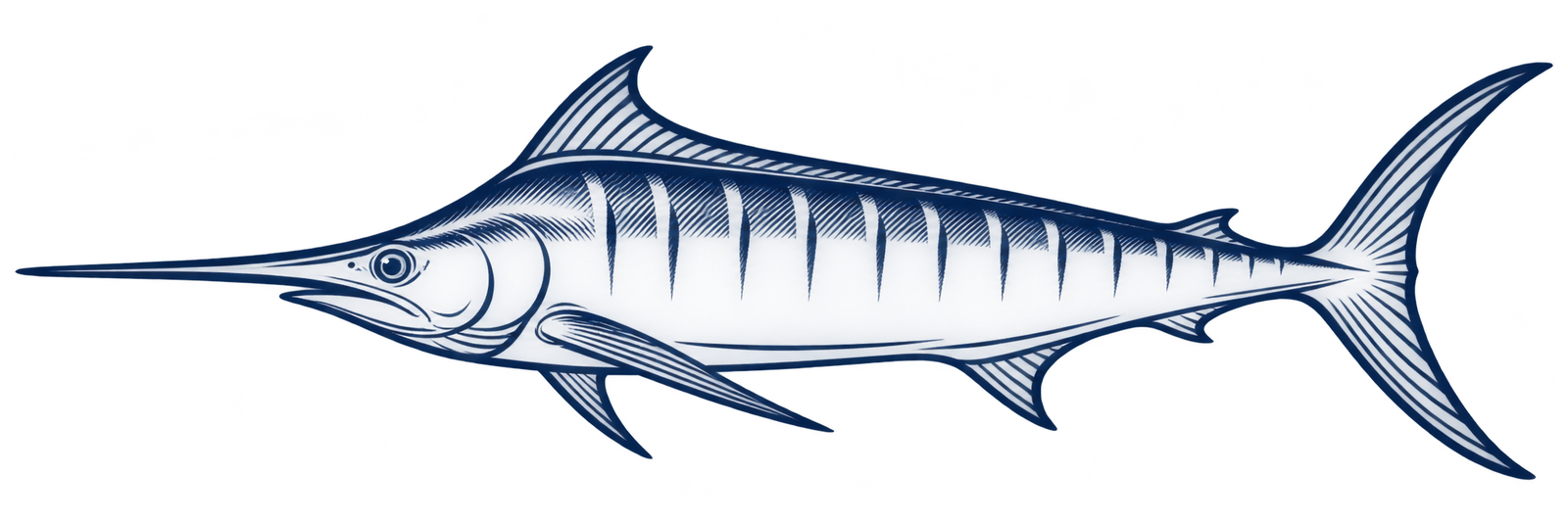
Giant bluefin in the 250-500+ lb class are hooked and released, with a few harvest-class fish in the mix. Cobia are winding down, with the last consistent shots coming over the next two weeks before fish push north and offshore for summer. Yellowfin of 30-80 lb are reliable on the canyon edges, mahi are building with schoolies and the occasional gaffer, and a few wahoo hang on the deep water.
In the surf, expect a few big red drum over 50 inches on the tail of the spring run, plus reliable bluefish. Surf stripers are tapering as the migration moves north. Inside, trout and reds fish well, specks improve as the water warms, and late-spring stripers linger in the sounds.
Where to Find Them
Look for bluefin on the 30-fathom water and deeper structure, and run to the 600-fathom curve on the lighter wind days. Mahi are on scattered weed lines along the 100-fathom curve. Beach cobia cruise the Cape Hatteras National Seashore: sight cast from the dunes at Coquina Beach, Frisco and Hatteras, and work the Ocracoke beaches and the deeper buoys.
Big drum work the Outer Beach second gut. Leftover stripers sit at the inlets and along the south beaches. In the Pamlico Sound and Albemarle Sound systems, target trout and reds on the shorelines and oyster bars.
Tides & Conditions
North and northeast wind is the planning factor. When it lays down, the calm windows give daily cobia shots and open the run to the bluefin grounds. Water climbs into the low 70s, pushing the summer pattern: bluefin hold through June as the mahi run accelerates.
Tackle & Tactics
- Bluefin: trolled spreader bars, ballyhoo with chuggers, or chunked baits at anchor.
- Cobia: bucktails with soft-plastic trailers on heavy spinning gear, pitched from the wash to surface-cruising fish.
- Yellowfin: trolled ballyhoo, cedar plugs and feathers.
- Mahi: trolled ballyhoo over surface temperature breaks. Wahoo: high-speed trolling with bonitos.
- Surf drum: cut mullet and crab on heavy bottom rigs in the second gut. Blues: cut bait or metals.
- Sounds: cut bait, live shrimp or weedless soft plastics for trout and reds; live shrimp under a popping cork or DOA CAL soft plastics on light jigheads for specks.
Local Intel This Week
Oregon Inlet and Hatteras Inlet are the main boat access points for the offshore grounds and the sounds. The Bonner Bridge Pier and Cape Hatteras Point give shore anglers a shot at drum, blues and cruising cobia. Jennette’s, Avalon, Avon and Frisco piers produce Spanish mackerel, bluefish, the occasional king on live bait, and resident drum and trout. Over-slot red drum are catch-and-release under NC rules, Roanoke River stripers are in post-spawn recovery with catch-and-release in much of the area, and harvest-class bluefin carry NOAA tag requirements. Check current state and federal regulations and seasons before keeping fish.
This Week’s Tip
Run for bluefin when the wind lays down; when it blows, walk the dunes at Coquina Beach or Frisco with a bucktail ready and pitch it into the wash ahead of a surface-cruising cobia. Tight lines.
Planning a trip to NC Outer Banks?
This report tells you what happened. ReelAI tells you what to do about it — a briefing for your date, your target species and how you're fishing, built from our reports plus live NOAA and USGS data.
Powered by ReelAI — fishing.digital's intelligence layer. Answers are generated from fishing.digital reports and public NOAA, NWS and USGS data, and may be incomplete or out of date. Regulations and marine safety information are summaries only; always confirm with the responsible authority before you fish.