Updated: Thursday, August 6, 2026 · Next update: Thursday, August 13, 2026
This New Jersey fishing report covers early August, with the Jersey shore settled into its midsummer pattern. Fluke are the lead target, making their usual August shift out of warm back-bay water toward inlet structure and the nearshore reefs. Ocean temperatures along the beach sit in the low 70s, the back bays run warm, and the canyon fleet enjoys a strong run of weather. Plan around the inlet tide and the afternoon sea breeze.
What’s Hitting
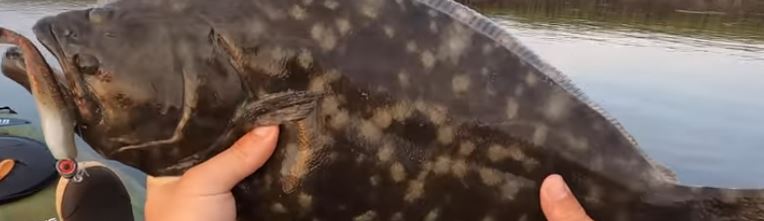
The better fluke move to structure: inlet rockpiles, the reef sites and the nearshore wrecks in 40 to 80 feet. The back bays still produce numbers, but the keeper ratio is better on ocean structure. Sea bass stack on the same wrecks.
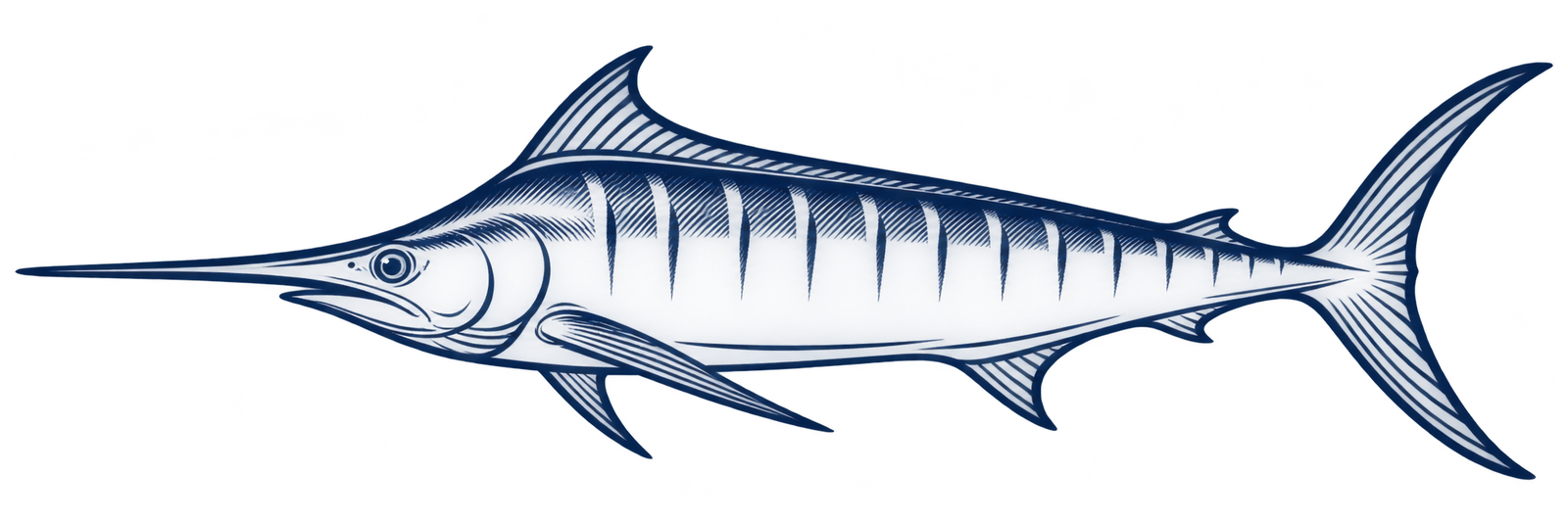
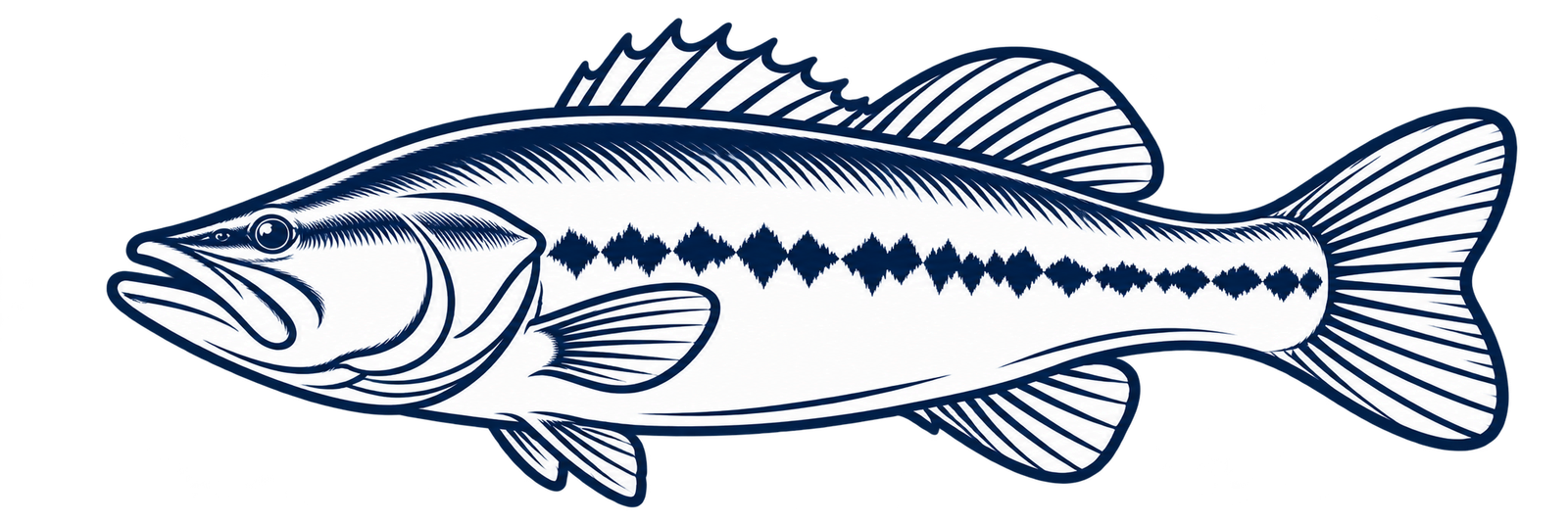
Offshore, the canyons give up yellowfin, bigeye and white marlin, and the inshore lumps carry bluefin and mahi around the pots. Along the beach, kingfish, croaker and small blues are steady in the surf, with Spanish mackerel on the calmer mornings. Striped bass go deep and scattered in the summer heat but are around at night in the back bays and rivers. Weakfish show in the Delaware Bay tributaries.
Where to Find Them
Work Barnegat Inlet, Manasquan Inlet and the Shrewsbury Rocks for fluke on structure. The Axel Carlson and Sea Girt reef sites are consistent for fluke and sea bass. Back bay fluke still sit on the channel edges in Barnegat Bay and Great Bay.
Surf anglers should look for cuts and deeper sloughs, especially along the Island Beach State Park stretch and the Long Beach Island beaches. Offshore, the Hudson and Toms canyons and the inshore lumps are the tuna water.
Tides & Conditions
Expect ocean temperatures of 70 to 74 along the beach and warmer offshore. Back bay water in the upper 70s pushes the fluke out. Tides run moderate with strong inlet flow, and fluke drifting is best on the last of the incoming.
Seas are reasonable for the offshore run. The afternoon sea breeze picks up most days by noon and chops up the ocean drifting, so fish the reefs early.
Tackle & Tactics
- Fluke on structure: a heavier bucktail than you would use in the bay, three to six ounces depending on drift, tipped with Gulp and paired with a teaser. Stay in contact with the bottom and hop it.
- Reefs: a whole squid or a spearing-and-squid combination on a high-low rig.
- Sea bass: clam or squid on a bottom rig.
- Surf: a two-hook rig with bloodworm or Fishbites in the trough, with a metal ready for blitzing blues and Spanish.
- Offshore: troll spreads early, then chunk or jig on marked fish later.
Local Intel This Week
Public ramps at Barnegat Light, the Manasquan River ramp in Brielle and the Great Bay Boulevard ramp are the practical launches. Great Bay Boulevard is the back-bay option for channel-edge fluke.
Shore anglers have good access at Island Beach State Park with a beach buggy permit, and the Barnegat Inlet south jetty is walkable. Fish concentrate on structure and current seams rather than open bay bottom. Fluke, sea bass and striped bass rules in New Jersey change year to year. Check current state and federal regulations and seasons before keeping fish.
This Week’s Tip
When drifting a wreck for fluke, do not drift over the top of it. Set up so your drift takes you along the sand edge beside the structure. The big fluke sit in the sand adjacent to the wreck ambushing bait that comes off it, and you lose far less tackle and catch bigger fish than the boats dragging bucktails through the wreckage itself.
Planning a trip to New Jersey?
This report tells you what happened. ReelAI tells you what to do about it — a briefing for your date, your target species and how you're fishing, built from our reports plus live NOAA and USGS data.
Powered by ReelAI — fishing.digital's intelligence layer. Answers are generated from fishing.digital reports and public NOAA, NWS and USGS data, and may be incomplete or out of date. Regulations and marine safety information are summaries only; always confirm with the responsible authority before you fish.