Updated: Thursday, June 11, 2026 · Next update: Thursday, June 18, 2026
This Panama City fishing report for mid-June centers on red snapper season, which puts the offshore fleet on the reefs, wrecks and natural bottom off Panama City. King mackerel crowd the nearshore bait pods, Spanish mackerel and bluefish blitz the beaches and St. Andrews Pass, and St. Andrews Bay offers a dependable redfish and trout fallback. The main condition to plan around is summer weather: calm mornings give way to afternoon storms, so early starts and a close watch on the radar set up every trip.
What’s Hitting
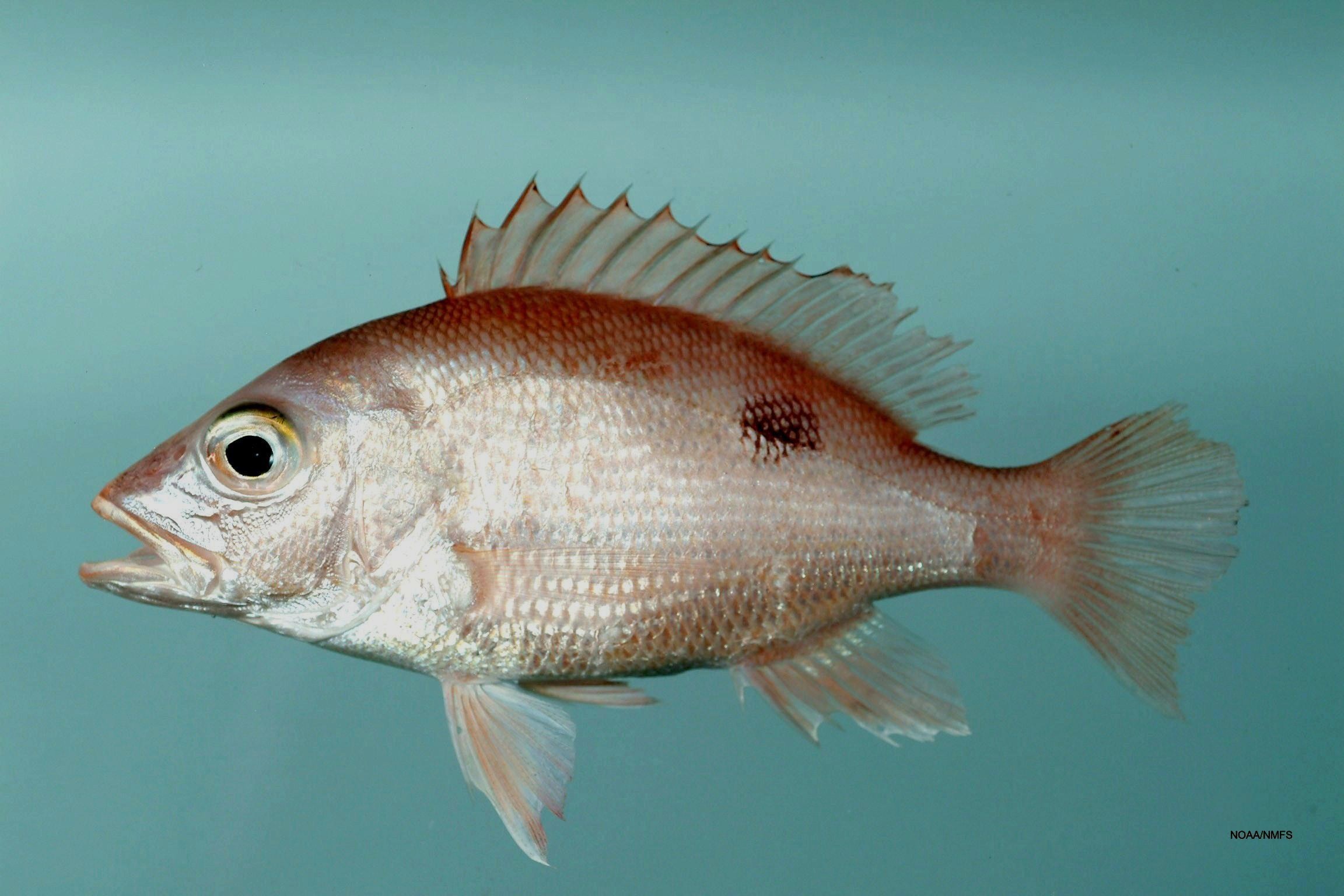
Red snapper are the headline, and quality fish come up on cut and live bait over the deeper structure, with quick limits common on the calm-water days. Vermilion snapper, scattered grouper and amberjack round out the bottom fishing.
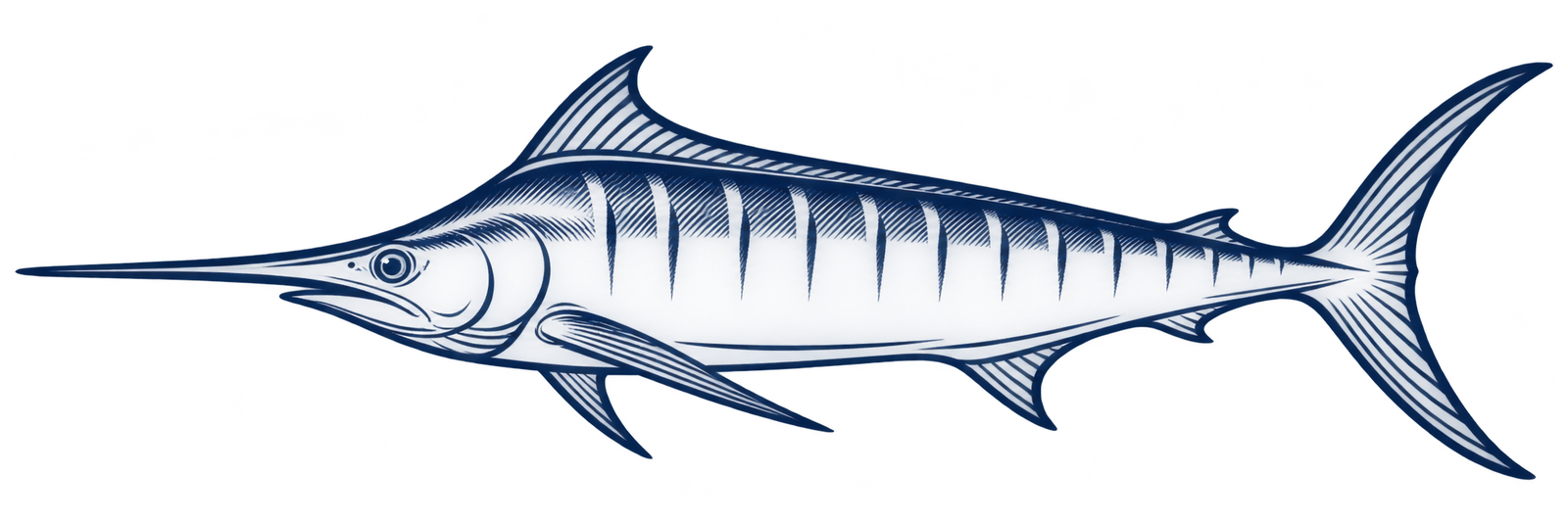
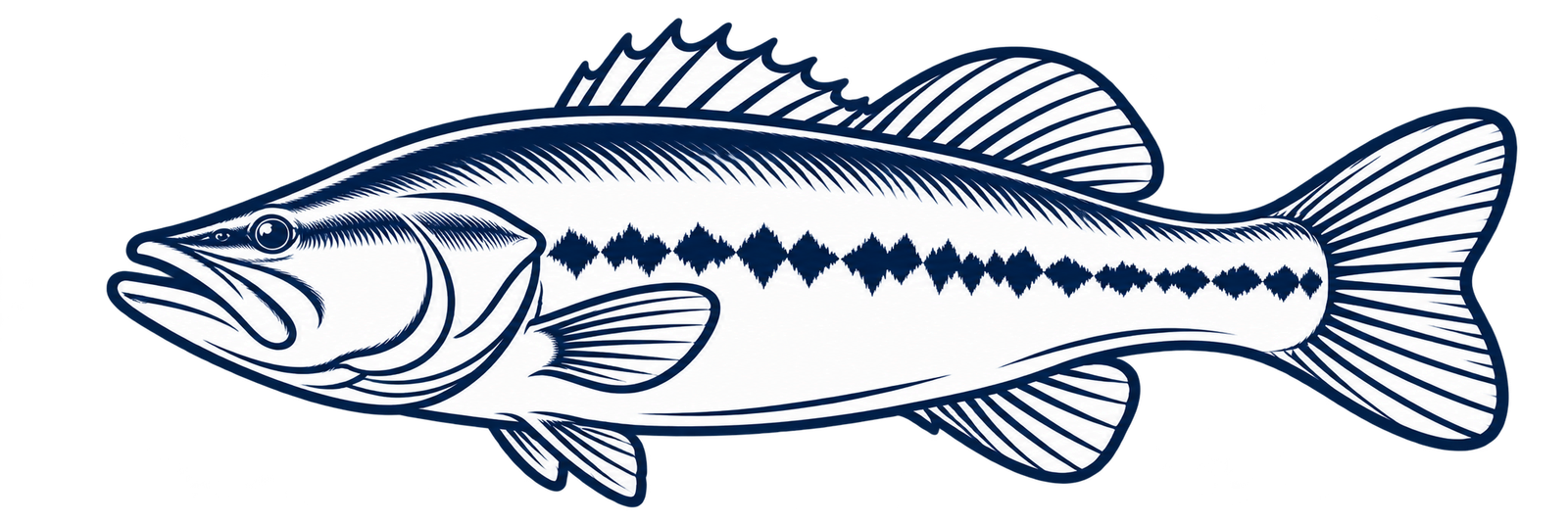
Nearshore, king mackerel are thick on the bait pods, while Spanish mackerel and bluefish blitz the beaches for fast light-tackle action. Inshore, redfish and spotted seatrout anchor the bay, and flounder reward anglers who slow down on the bottom. Look for a few cobia still cruising nearshore, tripletail around the buoys and floats, and mangrove snapper moving onto the jetty rocks and bridge structure in good numbers.
Where to Find Them
Offshore, target the reefs, wrecks and natural bottom from 90 to 160 feet, and do not overlook the public reefs and wrecks in 60 to 120 feet, where red snapper stack up. Kings work the bait pods over the reefs and along the beaches.
Spanish mackerel and bluefish key on St. Andrews Pass and the beachfront on clean mornings. Inside St. Andrews Bay, redfish work the grass flats and oyster bars, trout sit on the deeper grass and around the jetties, and flounder lie around the pass and nearby structure.
Tides & Conditions
Summer weather sets the schedule. Launch early, fish the calm morning window, and keep an eye on the afternoon storm line. Calm seas are the snapper days; when the offshore conditions turn, the bay redfish and trout fishing is the dependable inshore option.
Inshore, a moving tide pushes bait across the grass flats and around the jetties, and trout and reds feed hardest while the water flows. Clean morning water sets up the best Spanish blitzes.
Tackle & Tactics
- Snapper: cut and live bait on the bottom; when bigger fish rise in the water column, drop a lighter rig and stop short of the bottom to pick better-grade fish from the smaller ones stacked on the pile.
- Kings: slow-troll live hardtails and cigar minnows around the bait pods.
- Spanish and blues: spoons, jigs and Gotcha plugs worked fast.
- Reds and trout: topwater at first light, then live shrimp under a cork.
- Flounder: slow-drag a bait along the bottom around the pass and structure.
Local Intel This Week
St. Andrews State Park ramp gives the fastest run to the pass and the nearshore reefs. Carl Gray Park and the Earl Gilbert ramp serve the bay, putting you close to the grass flats and oyster bars for reds and trout on the moving tide. The jetties at St. Andrews Pass are worth working for trout, redfish and mangrove snapper when the Gulf is too rough to run.
Check current FWC and federal regulations and seasons before keeping fish.
This Week’s Tip
For the beach and pass Spanish, speed is everything. Retrieve a spoon or Gotcha plug fast enough that it skips just under the surface. These are sight feeders that chase down fleeing bait, and a slow lure gets refused.
Planning a trip to Panama City?
This report tells you what happened. ReelAI tells you what to do about it — a briefing for your date, your target species and how you're fishing, built from our reports plus live NOAA and USGS data.
Powered by ReelAI — fishing.digital's intelligence layer. Answers are generated from fishing.digital reports and public NOAA, NWS and USGS data, and may be incomplete or out of date. Regulations and marine safety information are summaries only; always confirm with the responsible authority before you fish.