
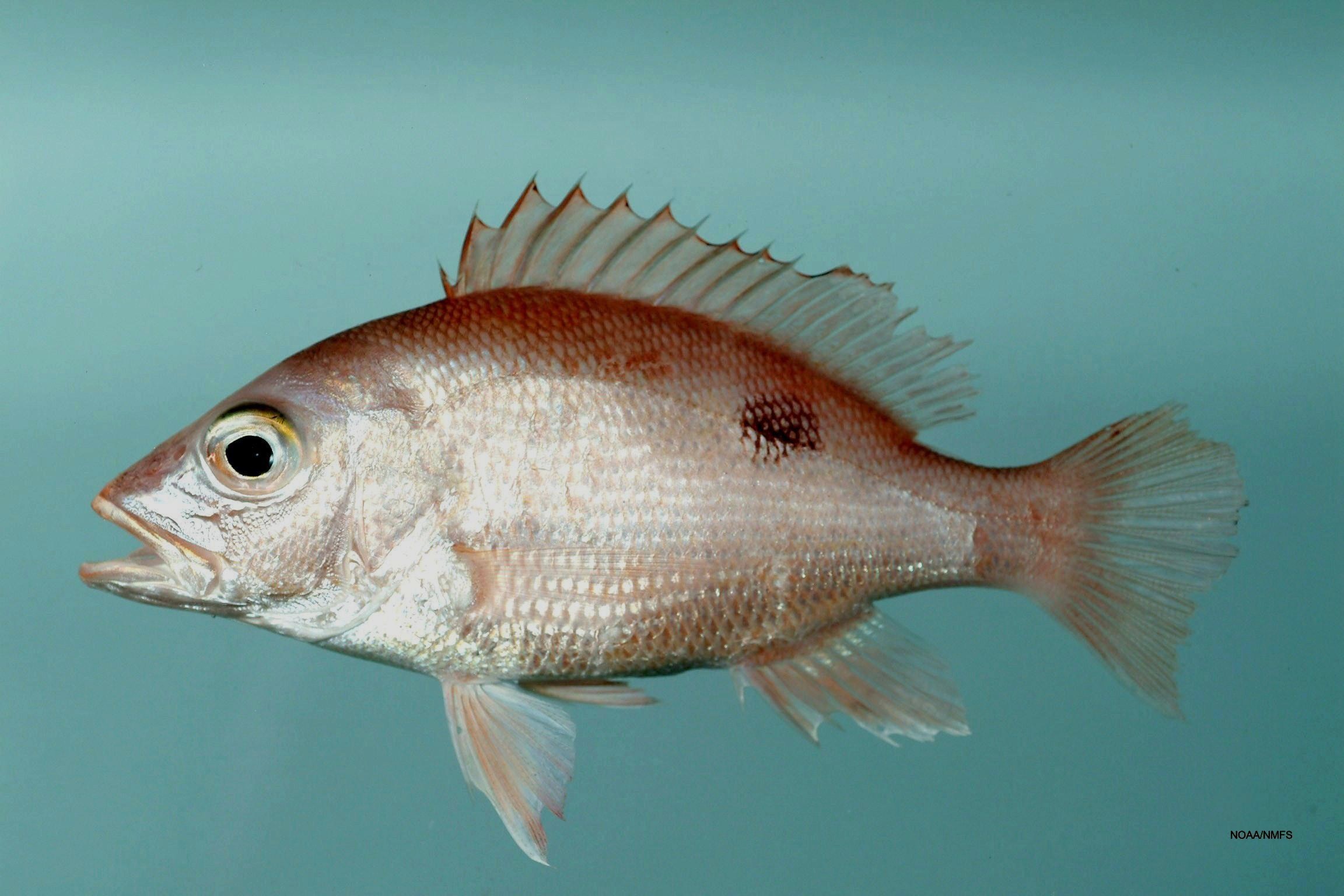
Red snapper season has anglers fired up out of Pensacola, and the red snapper bite has not disappointed. The public reef zones, wrecks, and natural bottom in 80 to 150 feet are holding solid numbers of fish, with live bait and cut bait on the bottom producing quick limits on calm days. Vermilion snapper and a few scattered grouper are mixed into the bottom bite.
Nearshore, the king mackerel are working bait pods on the reefs and along the beaches, taking slow-trolled hardtails and ribbonfish. A few late-run cobia are still being spotted around the buoys and structure, and Spanish mackerel are blitzing along the beaches and around the passes through the day.
Inshore, redfish are working the grass flats, oyster bars, and the passes, while spotted seatrout are holding on the deeper grass with the better fish coming early. Flounder are around the passes and structure, and live bull minnows or bait worked slow along the bottom is the proven flounder approach.
The tripletail are showing around the buoys and crab-trap floats and are worth a cast when sighted. Mangrove snapper have stacked on the bridge and pier structure for the inshore crowd.
Plan offshore trips around the weather windows and get out early. The red snapper season is the obvious draw, but the inshore redfish and trout bite gives a solid backup when the Gulf gets sloppy in the afternoon.
Spots & Access This Week
Pensacola has good public access on both sides of the bay. The Sherman Cove ramp and the Bayou Chico ramp are the workhorses for the bay and pass, the Galvez Landing ramp on Pensacola Beach puts you closest to the Gulf, and Big Lagoon State Park covers the western end and the Intracoastal.
Shore anglers should not overlook the Pensacola Beach Gulf Pier or the seawall and jetty at Fort Pickens — both reach genuinely productive water without a boat, and the pier in particular sees kings, Spanish and the occasional tarpon in early summer.
Fish have been concentrating on the artificial reefs and natural bottom offshore, and along the pass rocks and bar edges inshore where clean Gulf water pushes in. Gulf reef species — red snapper, gag grouper, triggerfish and amberjack in particular — are managed with federal and state seasons that open and close on short notice and differ for private, charter and for-hire anglers. Check the current FWC and Gulf federal regulations and confirm season status before you keep any bottom fish.
Tactics That Are Working
On the reefs, a knocker rig with a 5/0 to 7/0 circle hook, 50-pound braid and a 60- to 80-pound leader has been the most efficient setup. Drop directly onto the numbers, get the bait to the bottom fast, and be ready to lift immediately — a snapper that gets its head turned toward the structure is a lost fish and a lost rig.
Live cigar minnows and pinfish outproduce cut bait when the pressure is heavy, which it is on the public numbers this time of year. Inshore, a quarter-ounce jighead with a soft plastic worked along the pass rocks covers water for trout and reds, and a live shrimp under a popping cork is the low-effort option on the grass in Santa Rosa Sound.
This Week’s Tip
When you mark fish on a well-known public wreck but cannot buy a bite, move off the structure by fifty yards and drop on the adjacent sand. Pressured snapper and grouper push out and hold on the clean bottom next to the rubble where nobody bothers to fish. That empty-looking patch beside the numbers is often holding the largest fish on the spot.
More Pensacola Resources
Pensacola Fishing Guide · Pensacola Seasonal Calendar · All Pensacola reports →
Also read: Pensacola Fishing Report — Week of July 30, 2026: Red Snapper, Kings on the Reefs
Reports updated every Thursday on fishing.digital.
Planning a trip to Pensacola?
This report tells you what happened. ReelAI tells you what to do about it — a briefing for your date, your target species and how you're fishing, built from our reports plus live NOAA and USGS data.
Powered by ReelAI — fishing.digital's intelligence layer. Answers are generated from fishing.digital reports and public NOAA, NWS and USGS data, and may be incomplete or out of date. Regulations and marine safety information are summaries only; always confirm with the responsible authority before you fish.