
Panama City has settled into the back half of summer. The Gulf has been laying down most mornings before the sea breeze fills in, and the bay is running near 90 by afternoon. Fish are where the current is — St. Andrew Pass, the jetties and the nearshore structure — and the new moon at the end of the week is going to make that current considerably stronger.
What’s Hitting
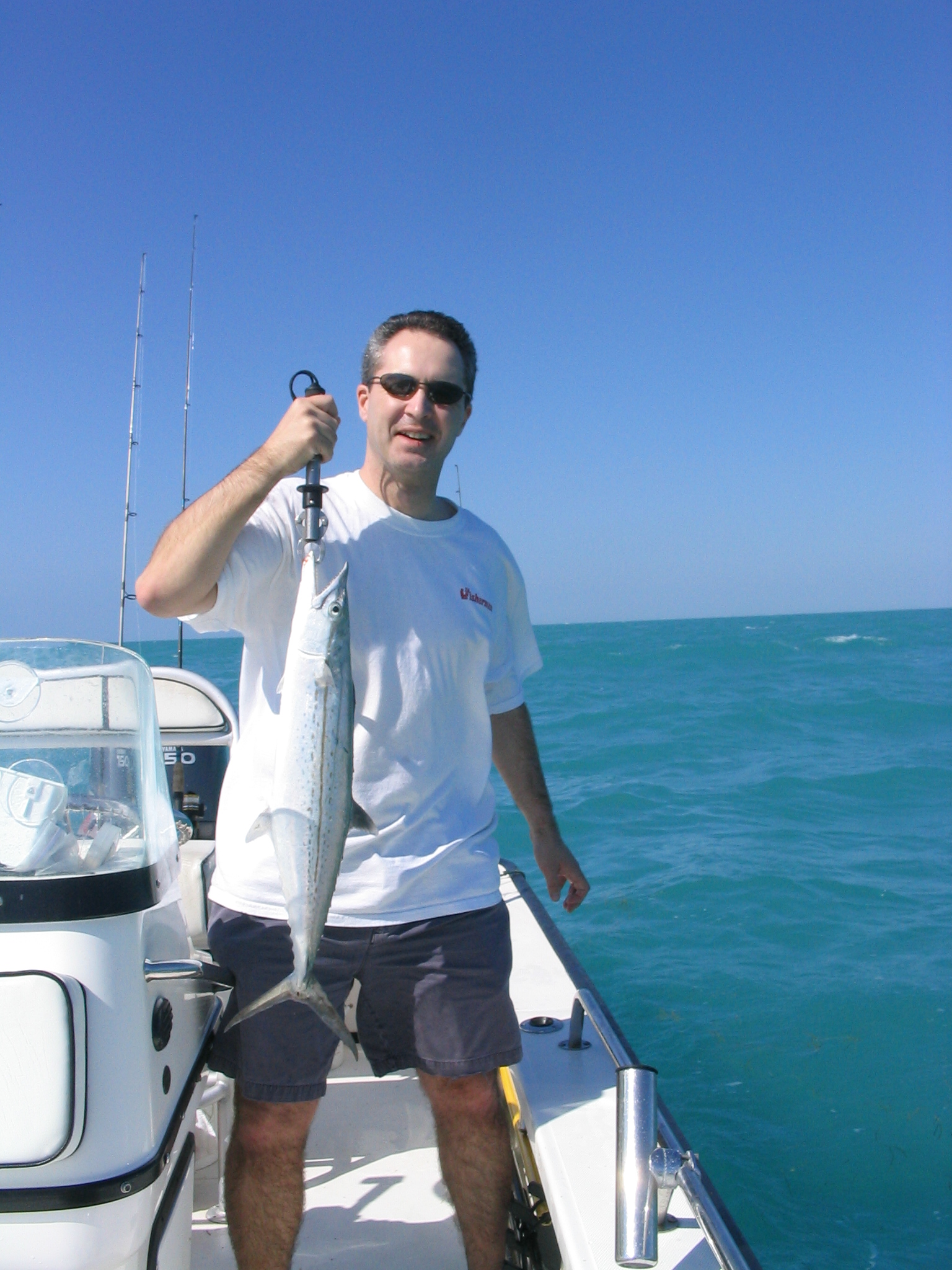
Spanish mackerel are the easiest fish in the region right now, blowing through the bait on the pass and along the beaches at first light. Bottom fishing on the nearshore reefs is producing vermilion snapper, triggerfish and gag grouper, with season status varying by species. Flounder are on the jetty rocks and the sandy edges around the pass. Inshore, speckled trout are on the deeper grass at dawn and redfish are working the bars in West Bay and North Bay. A few kingfish are on the nearshore towers on the calmer days.
Where to Find Them
St. Andrew Pass and both jetties are the highest-percentage water this week. The grass flats in West Bay and the shoreline around Shell Island hold trout and reds early. Nearshore, the public artificial reefs in 60 to 100 feet are the bottom fishing structure. Beach anglers are finding Spanish and ladyfish in the first trough at sunrise.
Tides & Conditions
Bay water is 87 to 90 degrees, Gulf mid-80s. New-moon tides bring the biggest exchange of the month through the pass, which concentrates bait and predators along the jetty rocks. Morning seas 1 to 2 feet, building past noon with daily thunderstorms. Water clarity in the pass is good on the incoming and stained on a hard outgoing after rain.
Tackle & Tactics
Small silver spoons and casting jigs on 20-pound braid with a short 30-pound fluorocarbon leader handle the Spanish — no wire unless you are losing too many, since wire cuts the bite in clear water. Flounder anglers should fish a live bull minnow or a finger mullet slowly along the rocks on a quarter-ounce jighead. Bottom fishing offshore calls for 60- to 80-pound leader and fresh cut bait on a knocker rig. Inshore trout are eating soft plastics on a light jighead and live shrimp under a cork.
Local Intel This Week
The Carl Gray Park and Massalina Bayou ramps are the practical launches; the St. Andrews State Park jetty gives excellent shore access to the pass. Fish are concentrating along the jetty rocks and the pass edges rather than spread through the open bay. Federal Gulf seasons for snapper, grouper and triggerfish shift through the summer and state inshore rules change too — check current FWC and NOAA regulations before keeping fish.
This Week’s Tip
On the jetty rocks, work your flounder bait with the current rather than against it. Cast up-tide, keep just enough contact to feel the bottom, and let the bait roll along the sand at the base of the rock. Flounder are ambush feeders and they will not chase a bait dragged uphill.
Planning a trip to Panama City?
This report tells you what happened. ReelAI tells you what to do about it — a briefing for your date, your target species and how you're fishing, built from our reports plus live NOAA and USGS data.
Powered by ReelAI — fishing.digital's intelligence layer. Answers are generated from fishing.digital reports and public NOAA, NWS and USGS data, and may be incomplete or out of date. Regulations and marine safety information are summaries only; always confirm with the responsible authority before you fish.