
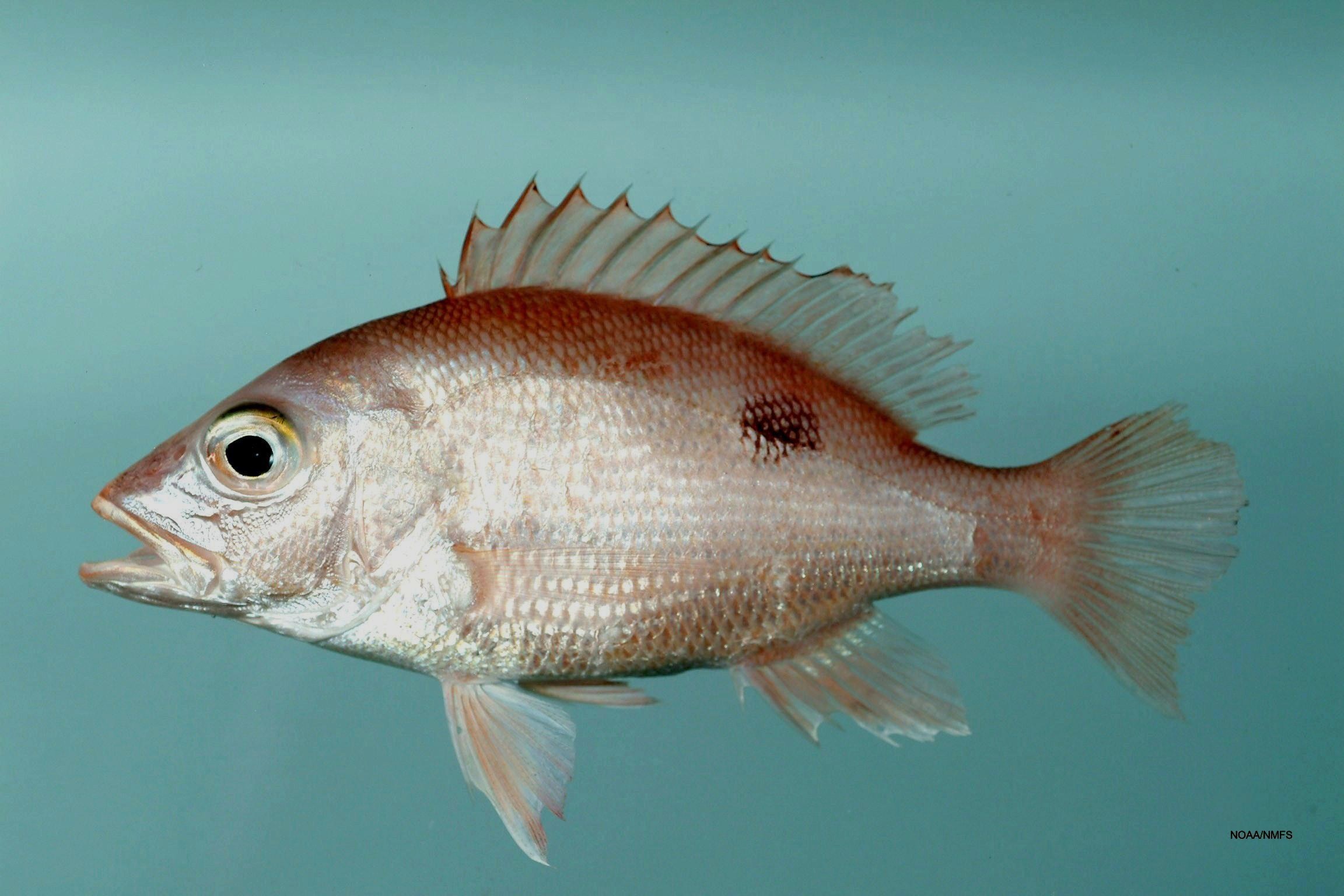
Red snapper season is open in the Gulf, and the Pensacola fleet is taking full advantage of it. The bottom fishing has been excellent, kingfish and Spanish are working the nearshore, and the inshore flats are producing trout and reds early before the heat. It is the busiest, most productive stretch of the Panhandle year.
What’s Hitting
Red snapper are the main draw, and the bite on the public reefs and wrecks has been strong with quality fish. Kingfish and Spanish mackerel are on the nearshore reefs and beaches, and a few cobia are still around. Inshore, speckled trout and redfish are on the flats and around the passes, and mangrove snapper have stacked the nearshore structure and the pass.
Where to Find Them
Run to the public bottom spots and wrecks in 80 to 130 feet for red snapper and the mangroves. Kings and Spanish are on the nearshore reefs and along the beaches. Inshore, fish the grass flats and the Pensacola Pass and Bay for trout and reds, and the bridge and pass structure for mangrove snapper. The beaches hold Spanish and the occasional cobia early.
Tides & Conditions
Bottom fishing is best with a moving current to get baits down and keep them in the zone. Kings and Spanish chew the morning before the sea breeze. Trout and reds bite the early calm on moving tides. Afternoon thunderstorms are a daily Panhandle feature, so plan the offshore run early. Water is warm and clarity offshore has been good. The offshore forecast looks settled in the mornings, but the daily sea breeze builds quickly, so run to the snapper grounds early and fish your way back.
Tackle & Tactics
For red snapper, drop live cigar minnows, pinfish, or cut bait on knocker or fish-finder rigs with enough lead to hold bottom. Kings want slow-trolled live baits on stinger rigs. Spanish hit small spoons and jigs on the troll. Inshore, popping corks with shrimp or soft plastics produce trout, and gold spoons and cut bait work for reds.
Local Intel This Week
Sherman Cove and the Plaza de Luna/Bartram Park ramps reach Pensacola Pass and the nearshore reefs quickly. Red snapper season has the reefs and wrecks loaded, and kings are working just off the beaches and the pass. Red snapper seasons are tightly regulated — confirm current FWC and federal season dates and limits before keeping fish.
This Week’s Tip
On the snapper grounds, the biggest fish often sit just off the structure, not right on top of it. Drop a little up-current of the wreck or reef and let your bait drift down to the edge, and don’t be afraid to fish a slightly bigger bait to weed out the smaller fish. The keeper-class reds hold tight to the bottom structure but feed on the fringes.
More Pensacola Resources
Pensacola Fishing Guide · Pensacola Seasonal Calendar · All Pensacola reports →
Also read: Pensacola Fishing Report — Week of July 30, 2026: Red Snapper, Kings on the Reefs
Reports updated every Thursday on fishing.digital.
Planning a trip to Pensacola?
This report tells you what happened. ReelAI tells you what to do about it — a briefing for your date, your target species and how you're fishing, built from our reports plus live NOAA and USGS data.
Powered by ReelAI — fishing.digital's intelligence layer. Answers are generated from fishing.digital reports and public NOAA, NWS and USGS data, and may be incomplete or out of date. Regulations and marine safety information are summaries only; always confirm with the responsible authority before you fish.