
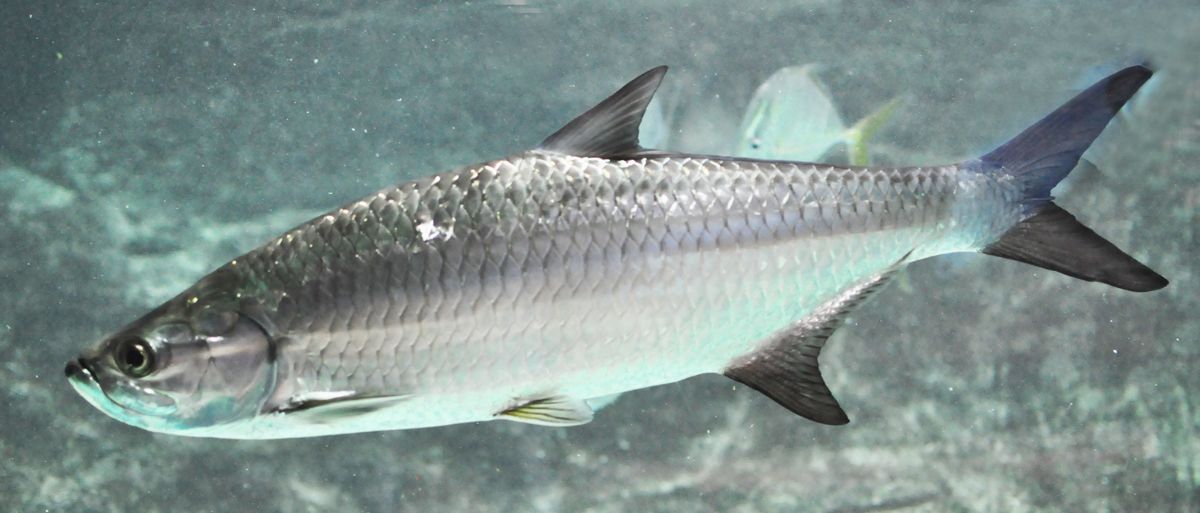
Southwest Florida is in prime tarpon season, with fish rolling in the passes and along the beaches from Naples down through the Ten Thousand Islands. Snook are stacked on the beaches, mangrove snapper have moved nearshore, and the back country stays steady for reds. Fish the calm mornings before the afternoon storms build off the Gulf.
What’s Hitting
Tarpon are the headline, rolling in Gordon, Big Marco, and Capri passes and along the beaches. Snook are bunched on the beaches and around the passes (closed season — release them). Mangrove snapper have stacked the nearshore reefs and structure, and redfish are working the back-country oyster bars and mangroves. Spanish mackerel and the odd cobia round it out.
Where to Find Them
Fish the passes — Gordon, Big Marco, Capri — on the moving tide for tarpon and snook. The beaches hold cruising tarpon and snook at first light. Nearshore reefs and wrecks in 20 to 50 feet are loaded with snapper. For reds, work the back-country oyster bars and mangrove shorelines of the Ten Thousand Islands on the higher tides. Trout are on the deeper grass.
Tides & Conditions
Tarpon bite best on the strong moving tides through the passes and in the calm early morning along the beaches. Snapper fishing improves on moving water. The summer sea breeze and afternoon thunderstorms build daily, so the morning is the window. Water is warm in the mid-80s, clear on the beaches and stained in the back country. The strongest pass tides this week funnel bait and stack the tarpon on the change, so time your trip to fish the first hours of hard-moving water.
Tackle & Tactics
Live crabs, threadfins, and mullet are the tarpon staples in the passes; fish 50- to 60-pound fluoro and circle hooks. Snook eat jigs and live baits along the beach. Snapper want light fluoro and live shrimp on the reefs. Reds in the back country eat cut bait, live shrimp, and gold spoons around the oyster bars and mangrove edges.
Local Intel This Week
Bayview Park in Naples is the natural launch for Gordon Pass and the Naples beaches, while Caxambas Park on the south end of Marco reaches Big Marco Pass and the Ten Thousand Islands fringe. Tarpon are rolling through the passes and along the beaches in the calm mornings, with snook tight to the mangroves. Gulf snook is closed for harvest — confirm current FWC regulations before keeping anything.
Spots & Access This Week
Caxambas Park on the south end of Marco Island and Bayview Park in Naples are the primary public ramps, with the Cocohatchee River Park ramp serving the north end and Goodland giving quick access to the Ten Thousand Islands. Tarpon are stacked in Big Marco Pass and Gordon Pass and rolling the beaches at first light, while snook line the pass edges and beach troughs. Backcountry reds and snook hold on the oyster bars and creek mouths in the Ten Thousand Islands on the falling tide.
Reading the Water
The pass tarpon get plenty of pressure by mid-summer, so a quiet approach pays — anchor or Power-Pole well up-current and let a crab drift back into the fish with the tide. Beach snook feed best in the low light before the sea breeze ripples the surface. In the backcountry, focus the middle of the day on the deeper creek bends and drains where cooler, moving water concentrates the fish out of the baking shallows.
This Week’s Tip
Time your pass tarpon around the tide change. The fish stack up and feed hardest when the current is moving bait through the pass, and they go quiet on slack water. Be anchored and ready before the tide starts to rip, fish your baits in the current seams, and you’ll get your best shots in the first couple hours of strong flow.
More Naples / Marco Island Resources
Naples / Marco Island Fishing Guide · Naples / Marco Island Seasonal Calendar · All Naples / Marco Island reports →
Also read: Naples/Marco Island Fishing Report — Week of July 30, 2026: Pass Snook, Backcountry Redfish
Reports updated every Thursday on fishing.digital.
Planning a trip to Naples/Marco Island?
This report tells you what happened. ReelAI tells you what to do about it — a briefing for your date, your target species and how you're fishing, built from our reports plus live NOAA and USGS data.
Powered by ReelAI — fishing.digital's intelligence layer. Answers are generated from fishing.digital reports and public NOAA, NWS and USGS data, and may be incomplete or out of date. Regulations and marine safety information are summaries only; always confirm with the responsible authority before you fish.