Updated: Thursday, September 3, 2026 · Next update: Thursday, September 10, 2026
This San Diego fishing report covers early September, the peak of the Southern California offshore season. Bluefin tuna of all sizes are the lead target on the offshore banks, yellowfin and dorado stack up on the kelp paddies, and the local kelp beds and the Coronado Islands give up yellowtail and calico bass. The condition to plan around is the offshore eddy currents, which keep moving the paddies. This is the stretch when full-day and overnight boats can return with limits on the good days.
What’s Hitting
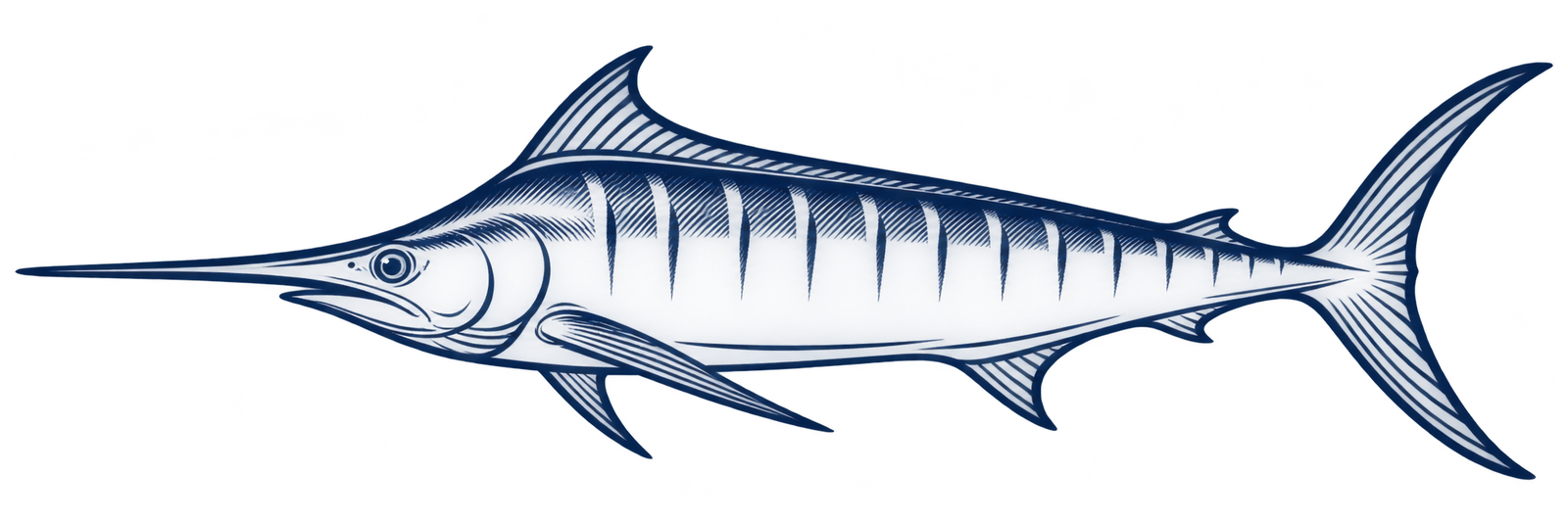
Bluefin from 30 to over 200 pounds roam the banks southwest of San Clemente Island and offshore of the Coronados. The best action comes on the sonar schools at night and on the foamers at first light. Yellowfin and dorado sit on the paddies from 20 to 60 miles out, with skipjack mixed in.
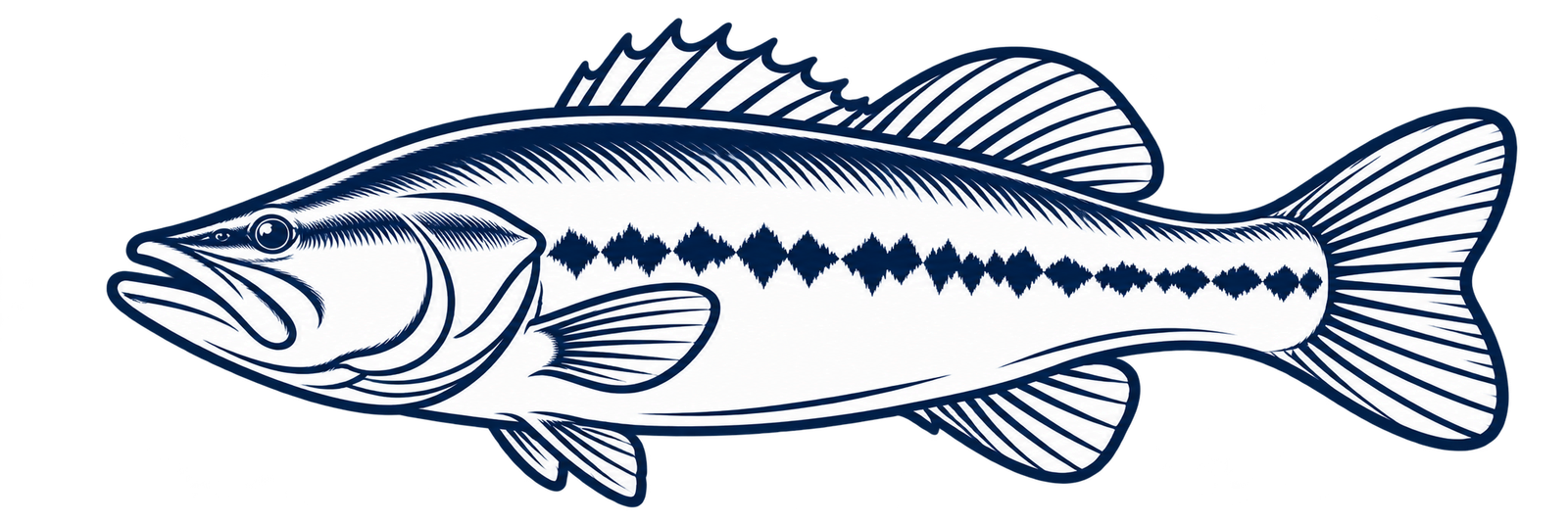
Yellowtail work the Coronado Islands and the local kelp at La Jolla and Point Loma. Calico bass are thick on the kelp, and the bay offers spotted bay bass and halibut for the small-boat crowd.
Where to Find Them
Look for bluefin on the Tanner and Cortes banks and the 43 and 371 areas, moving with the bait. Search for paddies holding yellowfin and dorado on the outer banks and off the Coronados.
Target yellowtail at the Coronado Islands, the La Jolla kelp and the Point Loma kelp edge. Calicos line the Point Loma and La Jolla kelp, and halibut use the bay flats near Shelter Island. Bait and kelp edges concentrate fish because they offer food and cover in otherwise open water.
Tides & Conditions
Expect offshore water temperatures in the upper 60s to low 70s with good clarity, and bluefin coming up in the mornings and evenings. Calm seas on most days make the long runs easier, and the morning marine layer burns off by mid-morning.
Eddy currents offshore push the paddies around, so run and gun rather than waiting on one spot.
Tackle & Tactics
- Smaller bluefin: fly-lined live sardines on 40- to 60-pound fluorocarbon.
- Big bluefin: flat-fall and knife jigs at night on the sonar marks, or kite-fish a flying fish for the 100-plus-pound class.
- Yellowfin and dorado: a fly-lined sardine on 25- to 30-pound.
- Yellowtail: a live mackerel or a surface iron on the kelp and the islands.
- Calicos: a swimbait or a plastic on 20-pound.
Local Intel This Week
The Shelter Island Boat Ramp on San Diego Bay is the closest launch to the Point Loma kelp and the bay halibut flats. In Mission Bay, the Dana Landing ramp and the South Shores Boat Launch put small boats near the La Jolla kelp. The Chula Vista ramp on the south bay covers the spotted bay bass water.
Plan on the offshore banks and paddies for tuna, and on the kelp and islands for yellowtail. Fishing the Coronado Islands requires a Mexican fishing license and permit. Check current state and federal regulations and seasons before keeping fish.
This Week’s Tip
On the bluefin grounds, the boats that catch fish at night are the ones that stay quiet and drift on the sonar marks rather than running around. Get on a school, kill the engine, and fish the flat-fall jig straight up and down through the marks.
Planning a trip to San Diego?
This report tells you what happened. ReelAI tells you what to do about it — a briefing for your date, your target species and how you're fishing, built from our reports plus live NOAA and USGS data.
Powered by ReelAI — fishing.digital's intelligence layer. Answers are generated from fishing.digital reports and public NOAA, NWS and USGS data, and may be incomplete or out of date. Regulations and marine safety information are summaries only; always confirm with the responsible authority before you fish.