
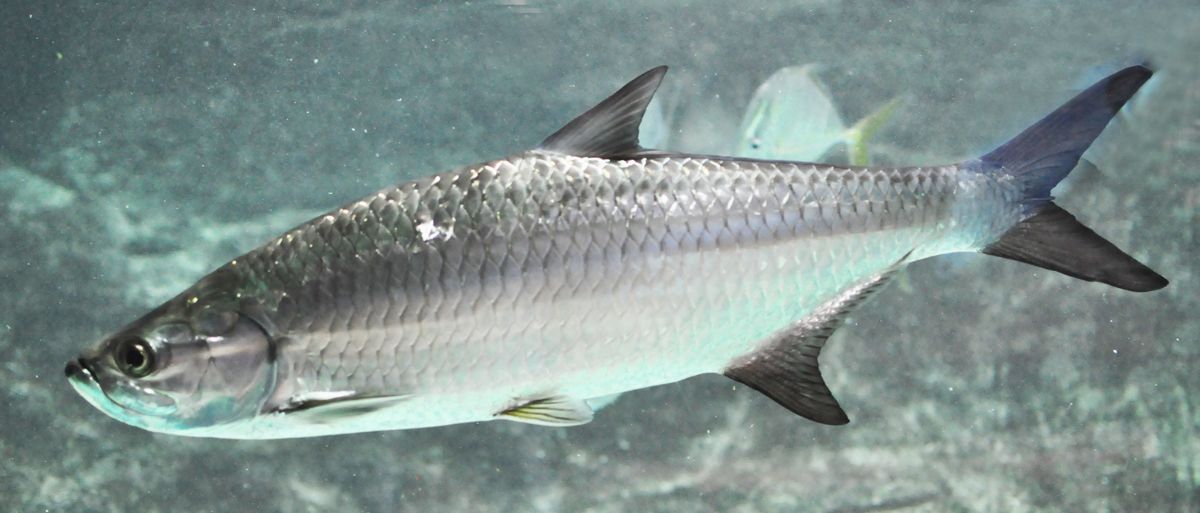
Mid-June at the Crossroads is everything summer fishing in Stuart is supposed to be. The tarpon are thick along the beaches and in the St. Lucie Inlet, mahi are within an easy run on the weed lines, and the inshore bite stays steady before the afternoon thunderheads build. Get on the water early and you can stack three or four different fisheries into one morning.
What’s Hitting
Tarpon are the headline — fish from 60 to well over 120 pounds are rolling in the inlet and tracking pods of mullet and croakers along the beaches. Snook are bunched on the beach faces and around the inlet rocks (catch-and-release only, the season is closed). Mangrove snapper have moved onto the nearshore reefs in numbers, and offshore the mahi bite is solid on the weed lines and color changes east of the inlet. Jacks, ladyfish, and the odd cobia round out the inshore action.
Where to Find Them
Work the St. Lucie Inlet on the moving tide for tarpon and snook, then slide to the beaches at first light when the bait pods are visible. The nearshore reefs in 40 to 70 feet are holding snapper. For mahi, push east to the 120- to 180-foot edge and look for weed lines, frigate birds, and any temperature break. Bessey’s Creek and the South Fork stay productive for snook and reds when the wind keeps you inside.
Tides & Conditions
Look for the strongest tarpon bite on the outgoing tide through the inlet, especially around first light and the last hour of daylight. Summer sea breeze builds by early afternoon with a real chance of thunderstorms, so plan the offshore run early. Water is clean and warm, low-to-mid 80s, and the morning is your calmest window before the wind swings onshore. Catch the solunar morning major around dawn for the best inlet feed, and keep an eye on the radar — pop-up cells form fast over the St. Lucie watershed by midday.
Tackle & Tactics
For tarpon, live croakers, mullet, and crabs on the tide are hard to beat; fish 50- to 60-pound fluorocarbon leaders and circle hooks. Snapper want light fluoro and live shrimp or small pilchards. Offshore, troll ballyhoo on the edge or run-and-gun to weed lines with bucktails and pitch baits. Bring heavier spinning gear for the tarpon and keep a flats setup rigged for the snook on the beach.
Local Intel This Week
Trailer-boat access is easy here — Sandsprit Park on the Manatee Pocket is the closest ramp to the St. Lucie Inlet and the tarpon water, while Leighton Park in Palm City reaches the South Fork backcountry. Tarpon are stacked around the inlet and the crossroads on the moving tide, with mahi out past the inlet on the weed lines. Always check current FWC regulations and seasons before keeping fish.
This Week’s Tip
When you find rolling tarpon in the inlet, resist the urge to run right up on the school. Position up-current, cut the engine, and let your bait drift back to them. The fish that get spooked by an outboard are the ones that won’t eat — a quiet, well-placed live bait on the tide will out-fish a boat that keeps repositioning every five minutes.
More Stuart Resources
Stuart Fishing Guide · Stuart Seasonal Calendar · All Stuart reports →
Also read: Stuart Fishing Report — Week of July 30, 2026: Snook Spawn, Snapper Nights
Reports updated every Thursday on fishing.digital.
Planning a trip to Stuart?
This report tells you what happened. ReelAI tells you what to do about it — a briefing for your date, your target species and how you're fishing, built from our reports plus live NOAA and USGS data.
Powered by ReelAI — fishing.digital's intelligence layer. Answers are generated from fishing.digital reports and public NOAA, NWS and USGS data, and may be incomplete or out of date. Regulations and marine safety information are summaries only; always confirm with the responsible authority before you fish.