Updated: Thursday, May 28, 2026 · Next update: Thursday, June 4, 2026
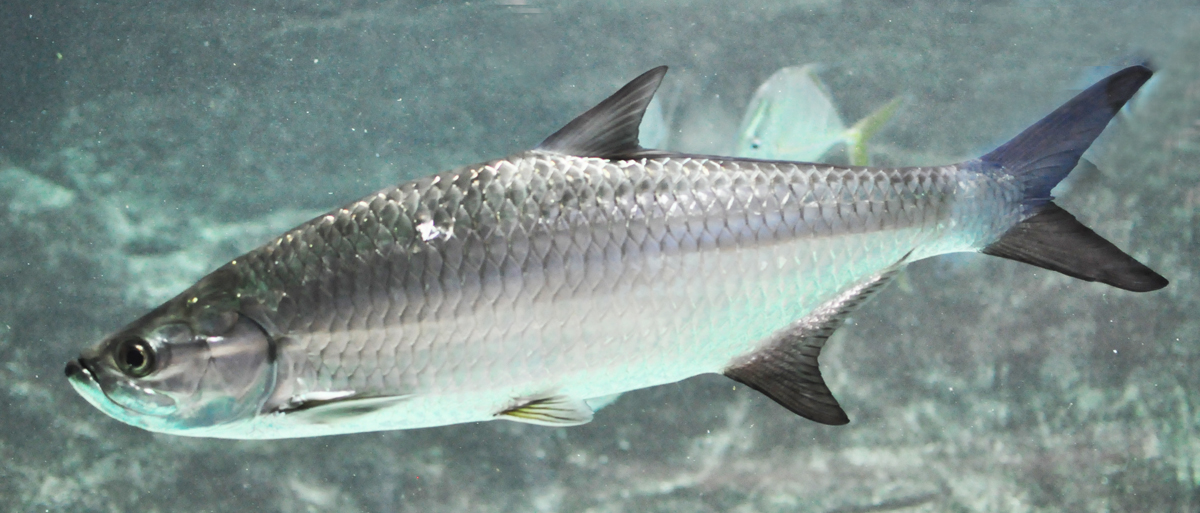
This Stuart fishing report covers the week of May 28, 2026, and late May puts the St. Lucie watershed in classic form. Tarpon are the lead target, at peak migration through the Crossroads and up into the St. Lucie River. Snook settle into their summer beach pattern from Hobe Sound to Jensen, and the offshore fleet runs mahi and sailfish inside a short run of the inlet. Plan around the outgoing tide, with the heaviest tarpon concentrations between hours two and four, and light easterly winds.
What’s Hitting
Tarpon are the headline. Snook work the beaches, the dock lights and the bridges, with bigger fish in the 30-plus inch range at the Roosevelt Bridge. Large jacks push schools of pilchards along the south jetty.
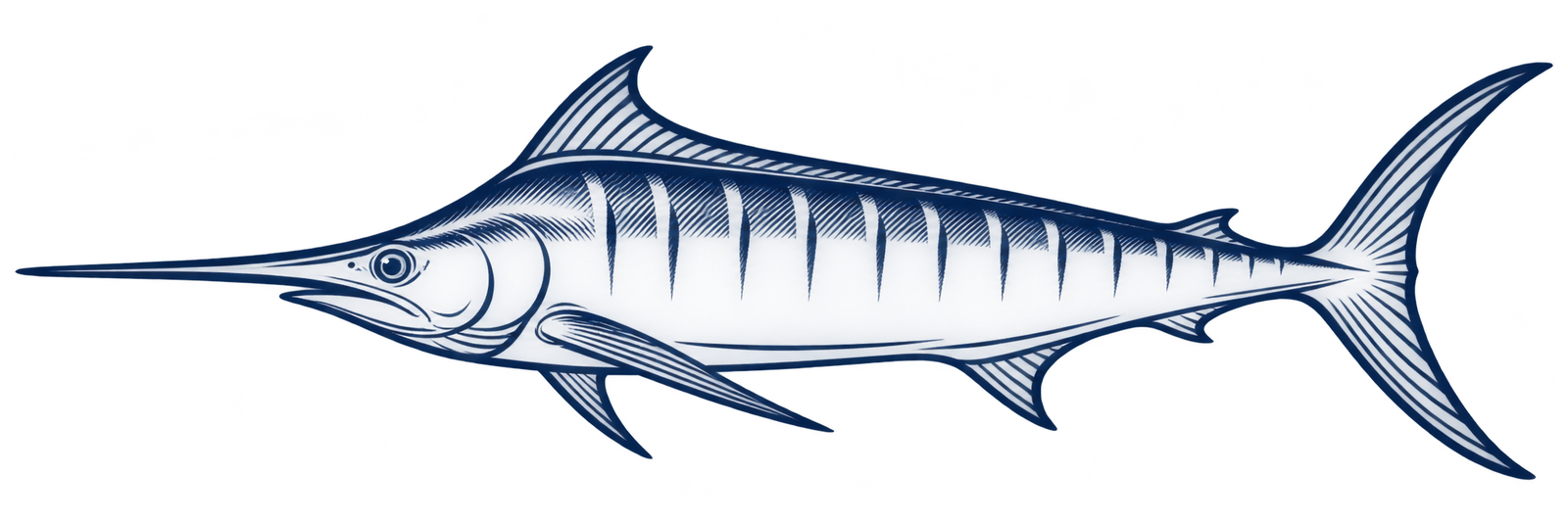
Offshore, mahi are reliable, mostly 3–8 lb schoolies with the occasional bull. Sailfish thin out from the spring peak, but boats still release one to three per trip inside 10 miles. A few cobia cruise the deeper reefs and buoys.
Where to Find Them
Tarpon stack from the Crossroads up into the river. Beach snook work the trough within the first 30 yards from Hobe Sound through Bathtub Beach to Jensen at dawn and dusk. The dock bite runs under residential lighting along the Indian River from Sewall’s Point through Hutchinson Island.
The St. Lucie Inlet beaches hold snook, tarpon ghosts on the outside bar and jacks, and the inlet rocks hold snook on the outgoing tide. Mahi sit on weed lines 8–15 miles east of the inlet, with the color line around 200 feet the consistent hot zone.
Tides & Conditions
The outgoing tide drives the tarpon bite, and dock snook fish best on the falling tide. Surface temperatures climb through the 80s. The fall mullet run is still months off, but resident bait is plentiful. The new moon on June 5 should trigger another tarpon push and energize the offshore migration. Long-range models start to show tropical waves, nothing imminent, as the summer pattern sets in. Expect the afternoon breeze to build.
Tackle & Tactics
- Tarpon: live crabs on a 7/0 circle hook with a 4-foot, 80-lb fluoro leader. Anchor up-current of holding water and let crabs drift back on the tide; sight-cast to rolling fish in calm morning windows.
- Beach snook: white or natural 3–4 inch swimming plugs and DOA TerrorEyz.
- Roosevelt Bridge snook: live mullet or croaker tight to the pilings on heavy spinning gear with 40-lb fluoro.
- Inlet snook: live mullet on 40–50 lb fluoro and a 6500-class reel.
- Mahi: trolled ballyhoo and naked rigs, then live pilchards or chunks to hold a school for multiple hookups.
- Sails: kite-fished baits for the bigger fish. Cobia: bucktails pitched on heavy spinning gear.
Local Intel This Week
Sandsprit Park and Leighton Park offer public ramps for the run to the Crossroads and the inlet, and Snook Nook Marina serves the Jensen side. Indian Riverside Park and the Jensen Beach Causeway give shore and small-boat access to the Indian River dock-light water, and Bathtub Beach is the walk-on spot for the trough. Beach snook are in their spawning season; do not fight a fish to exhaustion, release quickly and revive carefully. Check current FWC and federal regulations and seasons before keeping fish.
This Week’s Tip
Run the late-May playbook: dawn tarpon on the outgoing tide, beach snook at first light, then offshore from sunrise to mid-morning before the afternoon breeze builds.
Planning a trip to Stuart?
This report tells you what happened. ReelAI tells you what to do about it — a briefing for your date, your target species and how you're fishing, built from our reports plus live NOAA and USGS data.
Powered by ReelAI — fishing.digital's intelligence layer. Answers are generated from fishing.digital reports and public NOAA, NWS and USGS data, and may be incomplete or out of date. Regulations and marine safety information are summaries only; always confirm with the responsible authority before you fish.