Updated: Thursday, September 17, 2026 · Next update: Thursday, September 24, 2026
This Stuart fishing report covers mid-September and the second week of the real mullet run. Finger mullet stream south along Hutchinson Island every morning, the Crossroads boils at first light, and snook are the lead target, stacked at the St. Lucie Inlet and feeding on every outgoing tide. Tarpon, jacks and redfish follow the same bait. Plan around the falling tide at the inlet and the calm early hours before the east breeze and afternoon storms. If you wait all year for the classic September pattern, this is it.
What’s Hitting
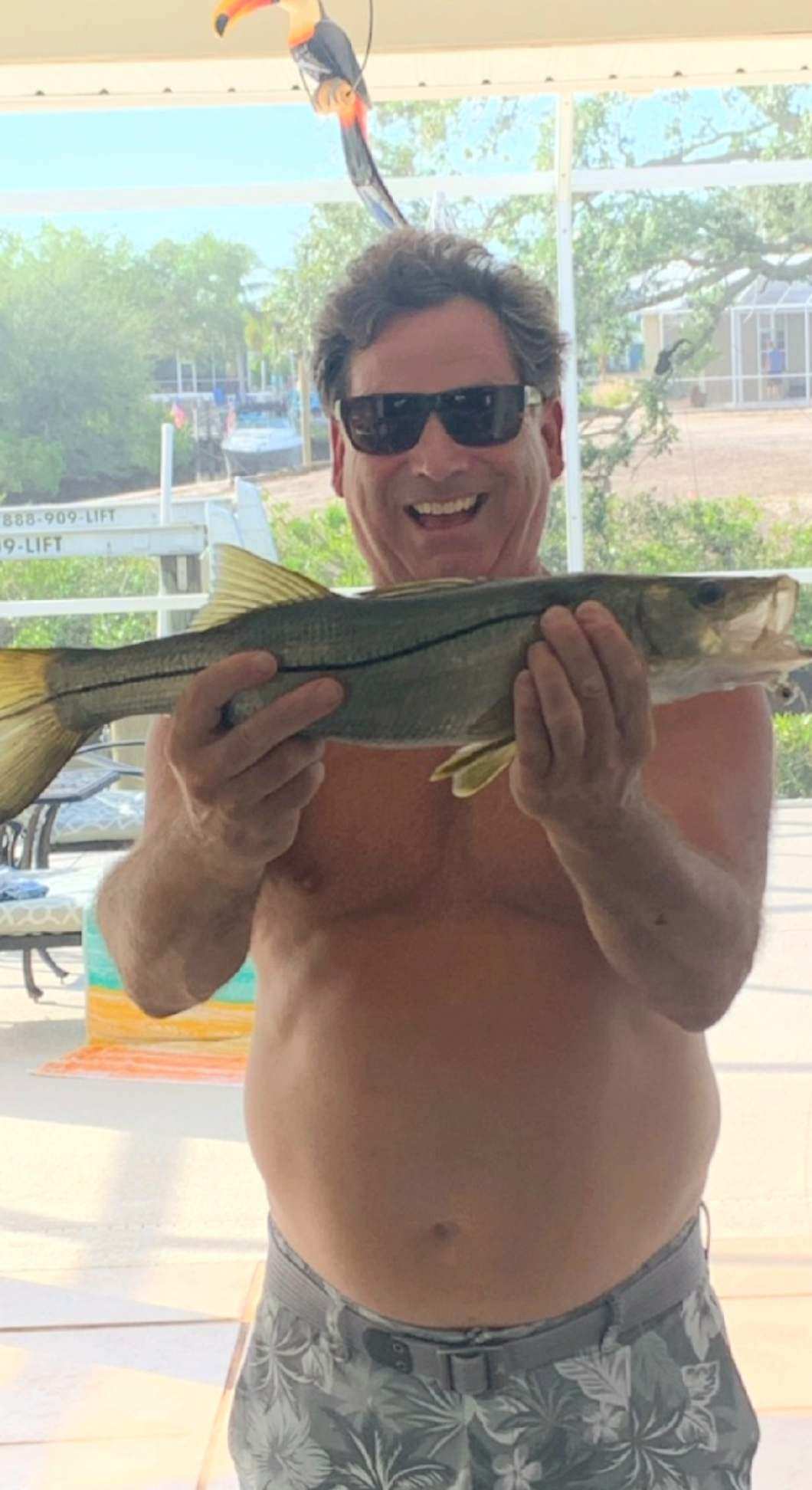
Snook come first. They stack on the inlet rocks and along the Sailfish Point beach, feeding on every outgoing tide. Tarpon roll in the surf and inside the Crossroads at dawn, big jacks crash bait pods along the beach, and redfish pick off mullet along the St. Lucie shorelines. A few oversized bluefish and Spanish mackerel show up behind the bait too, the first hint that fall is coming.
Offshore, the reef in 60 to 90 feet gives up mutton snapper and a steady pick of kingfish, and the first sailfish of the season appear on the edge. With the beach this good, though, most boats stay inside.
Where to Find Them
Start at the St. Lucie Inlet on the falling tide, working the north jetty and the rocks along the south side where snook stage against the current. On the beach, follow the bait rather than the spot: drive Hutchinson Island, look for birds and nervous water, and set up on the down-current edge of the pods. The House of Refuge rocks and the beach just north of the inlet are the most reliable stretches. Inside, the Crossroads, the flats off Sewall’s Point and the Manatee Pocket docks all have snook and jacks working bait at dawn.
Tides & Conditions
The week falls between moons, with the first quarter on Friday, so tides are more moderate than the spring tides before it. That means a softer outgoing flow at the inlet and a longer feeding window rather than one violent push. Water sits in the mid-80s. Expect calm mornings with a light west wind, an east breeze after lunch and the usual afternoon storm risk. Beach clarity is excellent early.
Tackle & Tactics
A live finger mullet on a 5/0 circle hook, free-lined in the inlet current or under a float on the beach, is the whole program for snook and tarpon.
- Inlet artificials: a 5-inch paddle tail or a flair hawk jig on 40-pound fluorocarbon.
- Jacks: a walking topwater at first light.
- Tarpon: bump to 60-pound leader.
- Rod: a 7-foot medium-heavy spinning rod with 30-pound braid handles everything on the beach.
Local Intel This Week
Sandsprit Park is the fastest ramp to the inlet. Leighton Park on the South Fork and the Stuart Causeway ramp are quieter options for fishing inside. Shore anglers can work the House of Refuge, Bathtub Reef Beach and the Jensen Beach accesses at first light. Concentrate on the inlet mouth on the outgoing tide and wherever the mullet pods are thickest along the beach. Snook season is open on the Atlantic coast in September. Check current FWC and federal regulations and seasons before keeping fish.
This Week’s Tip
When the beach is crowded with mullet and the fish get picky, downsize. A 3-inch mullet or a smaller paddle tail fished slowly under the school looks like the straggler every snook is hunting, and it gets eaten when the big baits get ignored.
Planning a trip to Stuart?
This report tells you what happened. ReelAI tells you what to do about it — a briefing for your date, your target species and how you're fishing, built from our reports plus live NOAA and USGS data.
Powered by ReelAI — fishing.digital's intelligence layer. Answers are generated from fishing.digital reports and public NOAA, NWS and USGS data, and may be incomplete or out of date. Regulations and marine safety information are summaries only; always confirm with the responsible authority before you fish.