
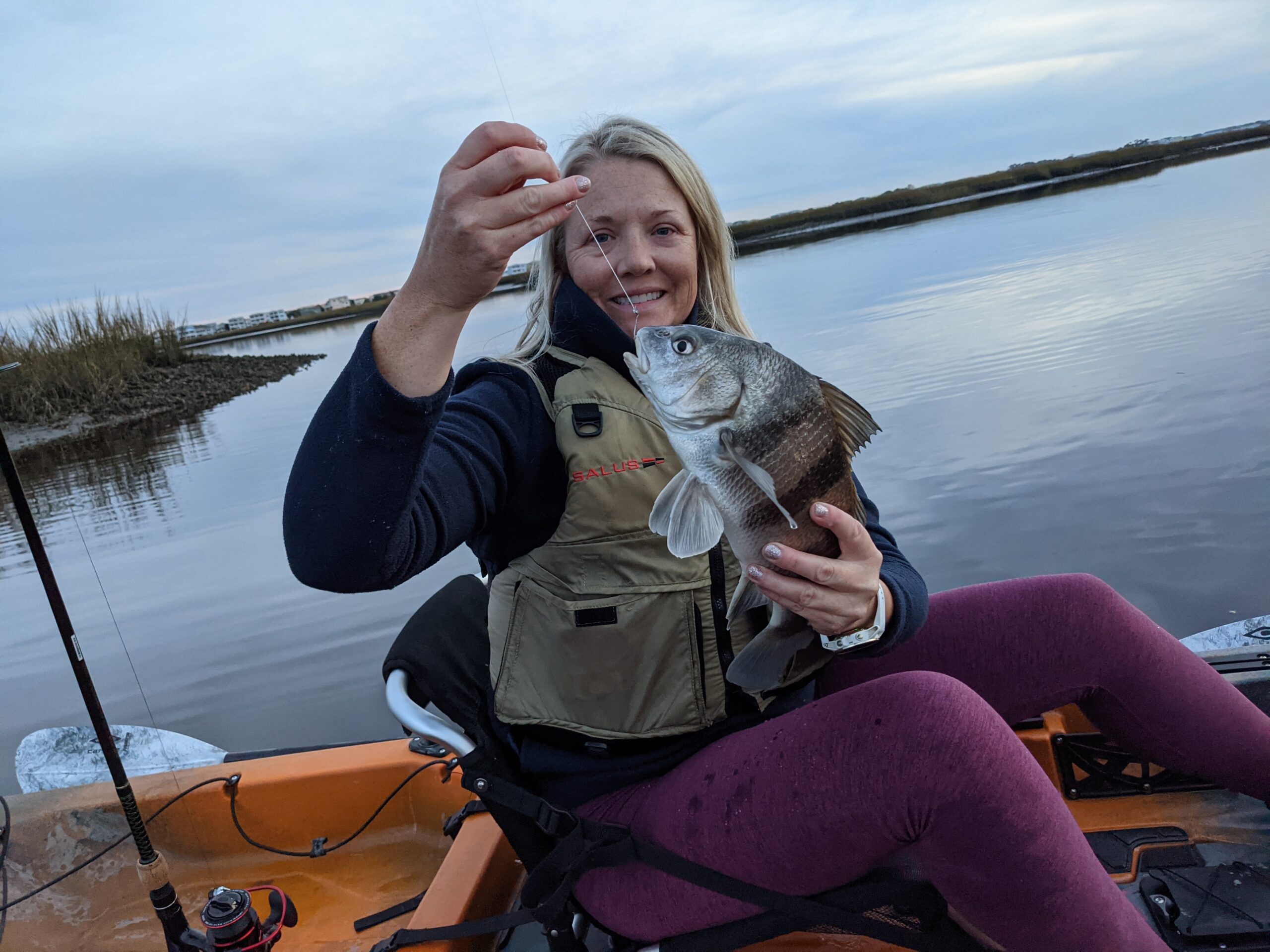
The Texas coast is deep into its summer rhythm: fish deep shell and wells through the heat, work the back lakes early for reds, and keep an eye on the beachfront — because the tarpon are out there rolling with the pogy pods.
What’s Hitting
This week on the water, black drum and speckled trout are sharing the deep shell in the bays — drum to 10 pounds and keeper trout coming off the mid-bay reefs in 6 to 12 feet from Galveston’s East Bay down through Matagorda. Redfish are schooling in the back lakes and along the shoreline grass at dawn. Off the beach, tarpon are rolling in the green water beyond the second bar with the menhaden schools, and the jetties are producing bull reds, sharks, and a few smoker kings.
Where to Find Them
Drum and trout: the deep shell — Hanna’s Reef and the mid-bay wells in East Bay, the Tripod area in Matagorda. Reds: back lakes behind Matagorda Island and the marsh drains on the falling tide. Tarpon: the beachfront from San Luis Pass south whenever the water goes green to the sand.
Tides & Conditions
Tide movement improves through the week toward the full moon — the strongest morning flows will fire the jetty and shell bites. Light winds have kept the surf fishable more days than not, and when that green water pushes in, the beachfront lights up.
Tackle & Tactics
Shell fishing: live shrimp or croakers on a Carolina rig for the trout, fresh crab or shrimp on the bottom for the drum. Back-lake reds: weedless gold spoons and small topwaters early. Beachfront tarpon: heavy spin gear, 80-pound leader, and a soaked mullet or a swimbait worked through the rolling fish.
Local Intel This Week
The Texas City Dike ramps and Fort Anahuac Park serve the Galveston complex; Matagorda Harbor covers the mid-coast. The Galveston jetties and Seawolf Park keep producing for shore anglers. Fish are concentrating on deep shell at midday and shallow edges at dawn. Check current TPWD regulations and seasons before keeping fish — the trout limits vary by zone on this coast.
This Week’s Tip
Fishing deep shell in the heat, the bite comes in pulses tied to current — when the tide slacks and the rods go quiet, don’t leave. Eat a sandwich, re-bait, and be ready: the first 20 minutes of new water is the best fishing of the day.
More Texas Gulf Coast Resources
Texas Gulf Coast Fishing Guide · Texas Gulf Coast Seasonal Calendar · All Texas Gulf Coast reports →
Also read: Texas Gulf Coast Fishing Report — Week of July 30, 2026: Kings Nearshore, Wade-Fishing Trout
Reports updated every Thursday on fishing.digital.
Planning a trip to Texas Gulf Coast?
This report tells you what happened. ReelAI tells you what to do about it — a briefing for your date, your target species and how you're fishing, built from our reports plus live NOAA and USGS data.
Powered by ReelAI — fishing.digital's intelligence layer. Answers are generated from fishing.digital reports and public NOAA, NWS and USGS data, and may be incomplete or out of date. Regulations and marine safety information are summaries only; always confirm with the responsible authority before you fish.