
Updated: Thursday, November 12, 2026 · Next update: Thursday, November 19, 2026
This Thousand Islands fishing report is a seasonal outlook for the week of November 12, based on late-fall patterns and the forecast rather than verified catches. A coastal storm crossing the Northeast late this week should bring wind and rain to parts of the region, followed by chilly weather. On the St. Lawrence River, November is traditionally trophy muskie season, while perch and walleye gather in deeper water as the river cools. Use it as a planning guide and confirm conditions with local guides or marinas.
What’s Hitting
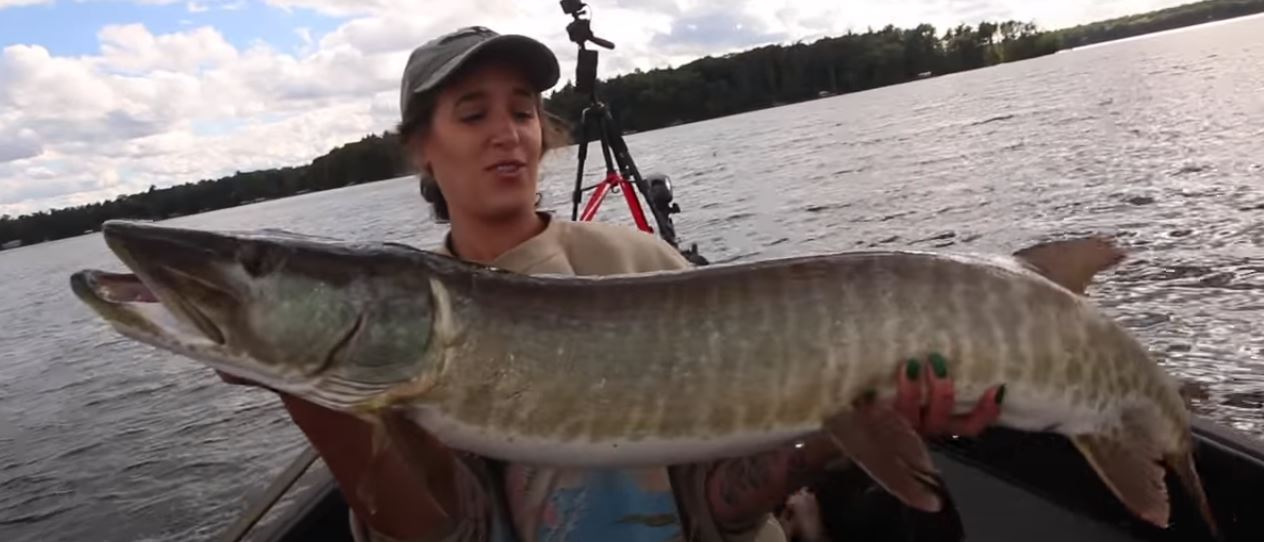
Muskellunge are the headline species, with large fish feeding heavily as water cools. Yellow perch gather in schools on deeper flats. Walleye feed along drop-offs and current seams, especially at dusk. Northern pike remain active in weedy bays. Smallmouth bass move to deeper water. The biggest muskie of the year are often caught in late fall, when fish feed to build reserves for winter. Perch schools can be large and move frequently, so plan to search with electronics. Walleye activity usually improves during low light and on overcast days, which the storm should provide.
Where to Find Them
Muskie anglers often troll deep edges and current seams near Clayton and Alexandria Bay. Perch gather in bays like Chippewa Bay. Walleye feed along drop-offs near shoals. The islands and channels provide sheltered water. Muskie often hold near current breaks around shoals and deep weed edges along the American channel. Walleye can also be found around the deep edges near Grindstone Island. Perch are often found on soft-bottom flats in 20 to 35 feet. Sheltered bays on Wellesley Island give options during wind.
Tides & Conditions
The St. Lawrence River has a constant current, and wind can create rough conditions. Cold water and wind make safety a priority. Expect rough conditions during the storm and calmer weather afterward. Shipping traffic in the main channel adds wake and requires careful navigation. Water temperatures will continue to decline, which often concentrates fish in predictable deep areas.
Tackle & Tactics
For muskie, use large crankbaits, bucktails or swimbaits on heavy tackle with a long leader. Perch take small jigs or minnows. Walleye respond to jigs or stickbaits. Dress warmly and wear a life jacket. Muskie gear should include a heavy rod, eighty- to one-hundred-pound braid and a sturdy wire or fluorocarbon leader, plus large release tools and a cradle or big net. Use a figure-eight at the boat when casting. For perch, a light spinning rod with four- to six-pound line works well.
Local Intel This Week
Public ramps in Clayton and Alexandria Bay provide access to the river. Wellesley Island State Park offers shoreline access. Check current state and federal regulations and seasons before keeping fish. Clayton’s French Creek Marina area and the village ramps in Alexandria Bay are commonly used. Many experienced muskie guides operate out of Clayton. Wear a life jacket and carry cold-weather gear, as water temperatures are dangerous. Handle muskie carefully and release them quickly.
This Week’s Tip
Troll for muskie along deep edges near current. Focus on seams where current meets deeper water, and slow your trolling speed as the water cools. Keep fish in the water during release whenever possible.
Planning a trip to Thousand Islands NY?
This report tells you what happened. ReelAI tells you what to do about it — a briefing for your date, your target species and how you're fishing, built from our reports plus live NOAA and USGS data.
Powered by ReelAI — fishing.digital's intelligence layer. Answers are generated from fishing.digital reports and public NOAA, NWS and USGS data, and may be incomplete or out of date. Regulations and marine safety information are summaries only; always confirm with the responsible authority before you fish.