
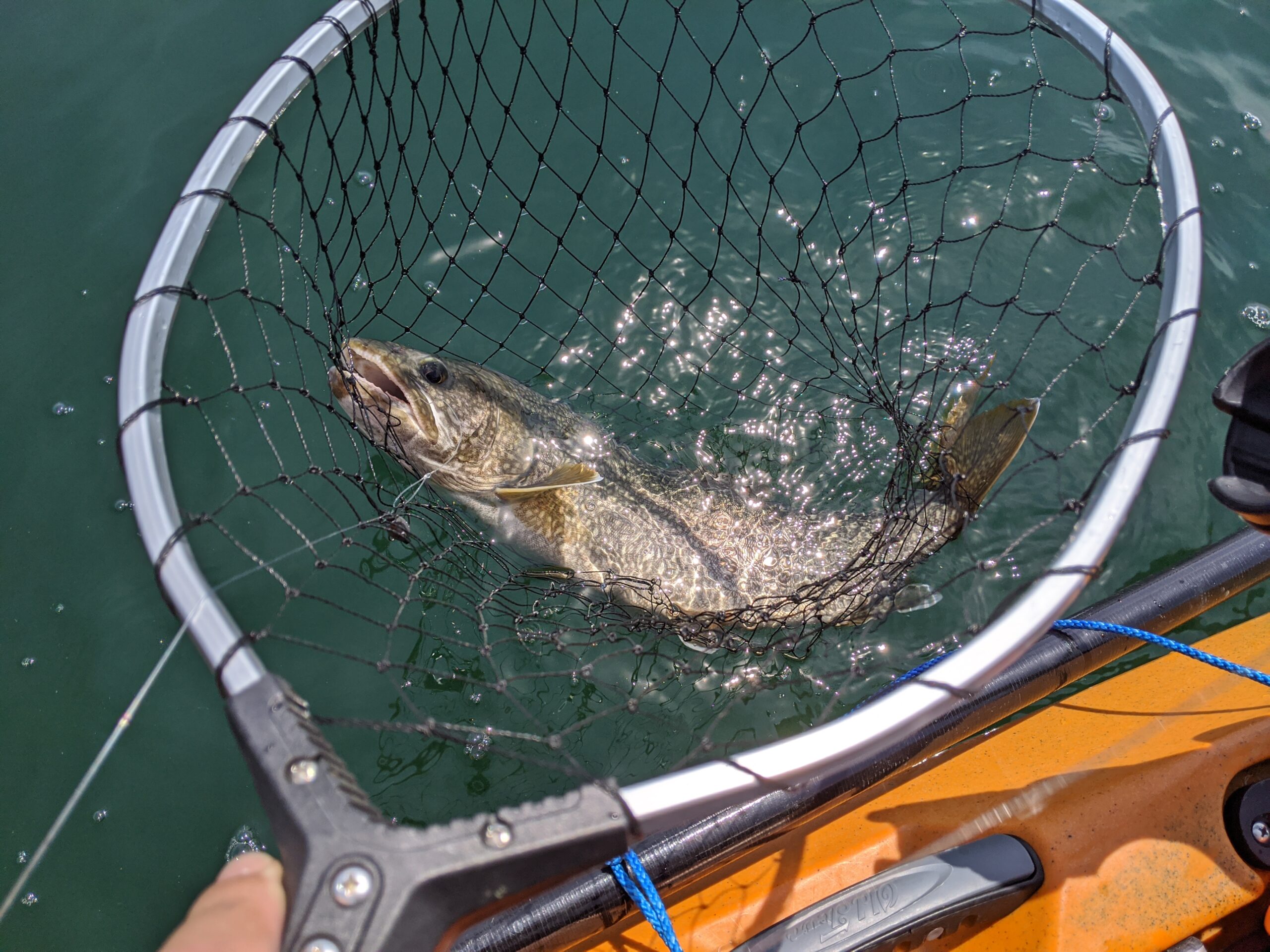
Lake trout are the largest of the charr family — deep-water predators built for cold, clear lakes that can live 60 years and grow to over 100 pounds in the most remote northern waters. In the United States, the most accessible lake trout fisheries are the Great Lakes (particularly Lake Superior), the Finger Lakes of New York, New England’s deep glacial lakes, and the wilderness lakes of northern Minnesota, Wisconsin, and Michigan. They demand patience and specialized technique but reward the persistent angler with one of the most hard-fighting, deep-running fish in freshwater.
Affiliate disclosure: fishing.digital earns a small commission on qualifying Amazon purchases at no extra cost to you.
Where Lake Trout Are Found
Lake trout require cold (below 65°F), well-oxygenated, clear water with significant depth. Lake Superior holds the largest Great Lakes lake trout population and produces fish to 30+ pounds from nearshore reefs in spring. Lake Michigan and Lake Huron also hold substantial populations. In the Northeast: Seneca Lake and Cayuga Lake (NY Finger Lakes) produce large lake trout accessible from public boat launches. In New England: Lake Champlain, Sebago Lake (ME), and numerous Quebec border lakes.
Seasonal Patterns — Temperature Rules Everything
Lake trout behavior is entirely dictated by water temperature. They prefer 48–55°F water and move to wherever that temperature exists.
- Ice-out through May: Lake trout are in the shallows (8–25 feet) near rocky structure warming in the spring sun — the most accessible fishing of the year. Cast or troll near rocky points and boulder fields in 10–20 feet.
- June–August: Fish retreat to 40–100+ feet following the thermocline. Downrigger trolling is required to reach them consistently.
- Fall (September–November): Fish move back to shallow rocky areas for spawning — a second window for accessible lake trout fishing.
- Ice fishing (December–March): Lake trout are caught through the ice in the Great Lakes tributaries and in many northern lakes, often in 30–60 feet over rocky bottom.
Best Techniques for Lake Trout
Trolling (Most Productive Year-Round)
Downrigger trolling is the primary method for summer lake trout. Large spoons (Sutton, Williams, Blue Fox) in silver/blue or chartreuse/silver, large paddle-tail swimbaits on single hooks, and large stick baits trolled at 1.5–2.5 mph at the thermocline depth produce consistently. On Lake Superior, trolling at 50–80 feet produces the largest fish. Run a spread of 2–4 downrigger lines at varying depths — lake trout often favor a specific depth band that changes daily.
Jigging (Especially in Spring and Fall)
When lake trout are in shallow water, vertical jigging with large tube jigs (4–6 inch), blade baits, and heavy spoons produces excellent results. Work the jig with aggressive 3-foot sweeps followed by controlled falls — most strikes occur on the fall. White, chartreuse, and smelt-colored patterns are the most consistent producers.
Ice Fishing
Dead-sticking large live smelt or cut smelt on a tip-up in 30–60 feet of water is the classic ice fishing approach for lake trout. Jigging large tungsten jigs tipped with smelt strips or cut cisco is more active and equally productive. The first ice of the season (December) often produces the best ice fishing as fish haven’t been pressured since fall.
Best Tackle for Lake Trout
- Trolling rod: Medium-heavy downrigger rod, 8–9 ft, 17–25 lb monofilament
- Jigging rod: Medium-heavy 6.5–7 ft spinning, 10–17 lb fluorocarbon
- Ice fishing: Medium jigging rod with 10 lb fluorocarbon, tip-ups with 20 lb monofilament
Browse lake trout trolling spoons on Amazon →
Planning a trip to Freshwater Fishing?
This report tells you what happened. ReelAI tells you what to do about it — a briefing for your date, your target species and how you're fishing, built from our reports plus live NOAA and USGS data.
Powered by ReelAI — fishing.digital's intelligence layer. Answers are generated from fishing.digital reports and public NOAA, NWS and USGS data, and may be incomplete or out of date. Regulations and marine safety information are summaries only; always confirm with the responsible authority before you fish.