Updated: Thursday, July 16, 2026 · Next update: Thursday, July 23, 2026
This Great Lakes fishing report for mid-July is a thermocline story. The mid-summer temperature layer takes charge: Lake Erie walleye slide deeper, Lake Michigan king salmon stack on the cold water, and smallmouth bass set up on deep rock everywhere from Door County to the Thousand Islands. The main condition to plan around is stable weather that keeps the thermocline set and the fish predictable, with surface temperatures in the low to mid 70s keeping trout and salmon deep.
What’s Hitting
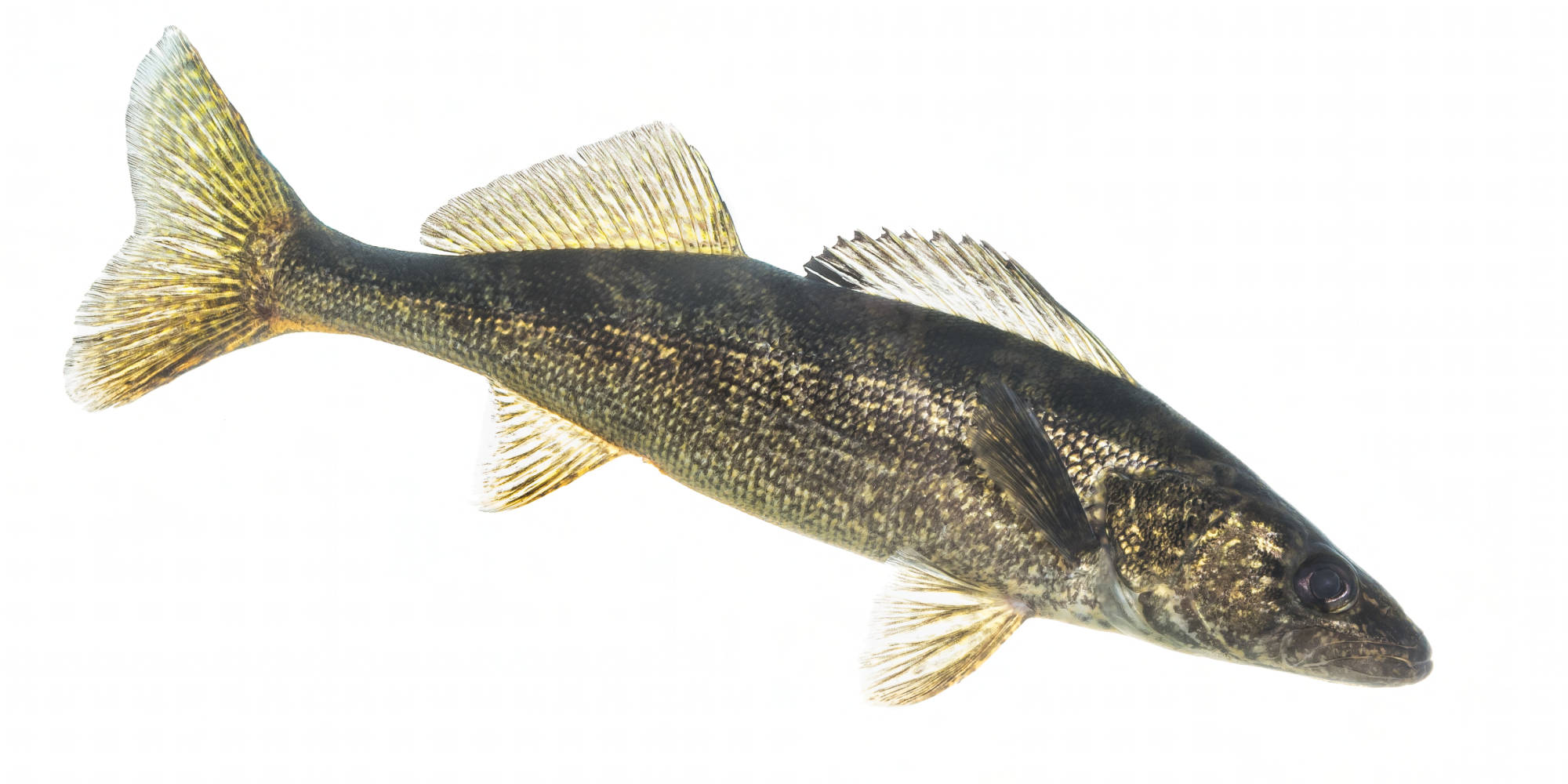
Lake Erie walleye are the headliner, with limits coming on the troll in the deeper western basin water and the central basin picking up steam from Lorain east to Geneva. Lake Michigan king salmon stage on the thermocline off the Wisconsin and Michigan ports, with steelhead mixed in on the surface temperature breaks.
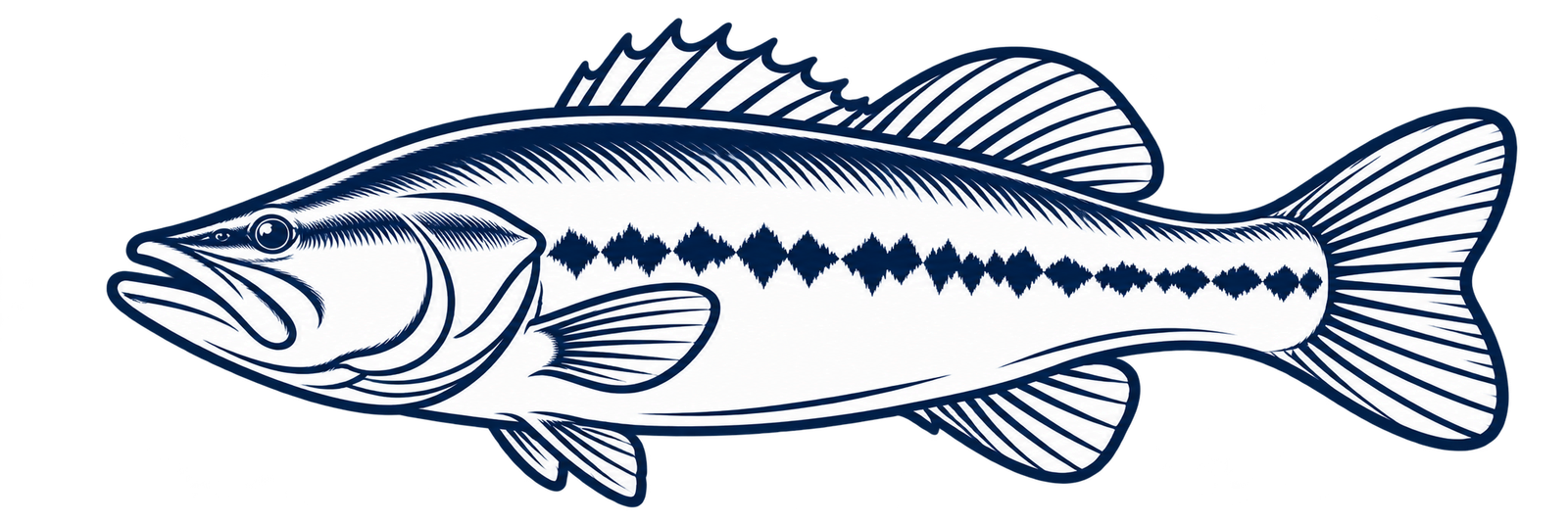
Smallmouth are on the deep humps and shoals across Lake Huron, Lake Ontario’s eastern basin and the St. Lawrence, and Erie perch fishing starts its mid-summer improvement.
Where to Find Them
Erie walleye suspend over 35 to 55 feet west of the islands, deeper as you run east into the central basin. Kings want 80 to 150 feet of water wherever the bait pushes in, working the cold slice from 60 to 90 feet down.
Smallmouth sit on rock in 20 to 35 feet on calm mornings. In each case the fish relate to the band where comfortable temperature, oxygen and baitfish overlap.
Tides & Conditions
Stable weather keeps the thermocline set, though a north blow on Erie will always scramble the western basin for a day. Surface temperatures in the low to mid 70s keep the trout and salmon holding deep.
The Great Lakes have no meaningful tide, so wind and temperature do the work that tide stage does on the coast. Watch the forecast for wind shifts before you commit to a long run.
Tackle & Tactics
- Erie walleye: crawler harnesses on bottom bouncers, or spoons behind dipsy divers, run at the depth the marks dictate. Dipsy divers plane down and out to the side, spreading lines and reaching suspended fish without heavy weights.
- Kings: downrigger and copper territory, with flasher-fly combos and magnum spoons in the cold water.
- Smallmouth: drop-shot gobies and Ned rigs worked patiently on the deep rock.
Local Intel This Week
On Erie’s western basin, the Mazurik and Dempsey state access ramps and Catawba Island State Park are the high-volume public launches, all within reach of the water west of the islands. Sterling State Park on Michigan’s Lake Erie shore and Oswego Harbor on Lake Ontario are additional public access points for the eastern smallmouth and salmon water.
Focus on the suspended bait schools west of the islands and along the central basin’s deeper contours. Walleye and perch rules are set annually by each state. Check current state and federal regulations and seasons before keeping fish.
This Week’s Tip
Mid-summer walleye on Erie are a speed game as much as a depth game. When the marks are thick but the rods stay quiet, change speed before you change spots. Bumping from 1.8 to 2.4 mph, or dropping back under 1.5, will often turn lookers into hookups on the same water. Recheck lead lengths after each change, since speed alters how deep divers and harnesses run.
Planning a trip to Great Lakes?
This report tells you what happened. ReelAI tells you what to do about it — a briefing for your date, your target species and how you're fishing, built from our reports plus live NOAA and USGS data.
Powered by ReelAI — fishing.digital's intelligence layer. Answers are generated from fishing.digital reports and public NOAA, NWS and USGS data, and may be incomplete or out of date. Regulations and marine safety information are summaries only; always confirm with the responsible authority before you fish.