Updated: Thursday, July 30, 2026 · Next update: Thursday, August 6, 2026
This Fort Myers/Sanibel fishing report covers late July, when hot, stormy weather sets up the classic late-summer script. Snook are the lead target in the passes and the beach trough. The backcountry runs fresh from daily rain, and the nearshore reefs offer snapper in the morning calm. Plan around strong post-full-moon tides through midweek and a productive window from dawn to about 10 a.m.
What’s Hitting
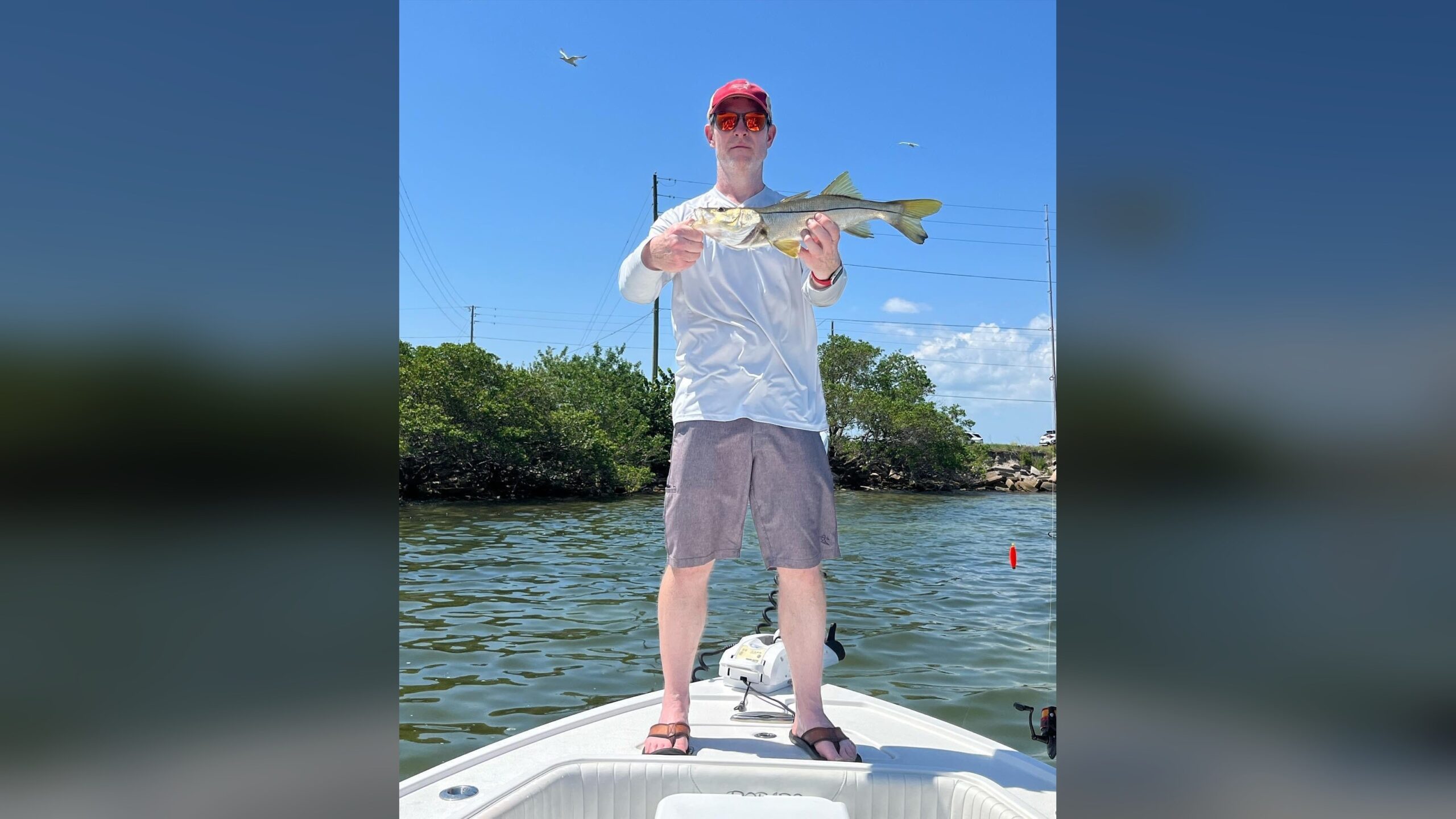
Snook are the most reliable fish in the region. Spawning aggregations stack in Redfish Pass, Blind Pass and Captiva Pass and cruise the first trough along the Sanibel and Fort Myers Beach shoreline.
Redfish work the oyster bars in Pine Island Sound and Matlacha Pass on the higher tides. Mangrove snapper are thick on the nearshore reefs and dock structure. Tarpon are down from their June peak, but a few pods still work the beaches.
Where to Find Them
Work the down-current side of Redfish Pass and Captiva Pass on the outgoing for snook, and walk the Sanibel beaches at first light for cruising fish. Reds sit on the bars around St. James City and the east side of Pine Island Sound on the last of the flood.
Snapper hold on the nearshore reefs in 25 to 40 feet and around the Sanibel Causeway pilings. Trout are on the deeper grass in Pine Island Sound early, before the shallows heat up.
Tides & Conditions
Water temperatures run 88 to 90 in the sound and the mid-80s nearshore. Daily storms add fresh water to the upper Caloosahatchee, pushing fish down toward the passes and the outer sound. Target the passes on the last two hours of the outgoing, when the current sweeps bait past the rocks and snook and snapper set up behind them.
Tackle & Tactics
In the passes, anchor above the structure, keep a light chum stream going and let the bait drift back naturally instead of dropping it on the fish. On the beach, work the trough at sunrise before boat traffic and swimmers push the fish out.
- Pass snook: a heavy flair hawk jig or a live pilchard on 40-pound fluorocarbon, fished on the bottom in the current.
- Beach snook: a small white jig or a quarter-ounce jighead with a white paddletail on long, quiet casts; free-line a live pilchard on 30-pound fluorocarbon when they get picky.
- Redfish: a gold spoon or soft plastic worked slowly along the bars, or cut ladyfish on the bottom.
- Snapper: a knocker rig with 20-pound fluorocarbon and live shrimp.
Release fish in the water when you can; high-80s surface temperatures make revival slow.
Local Intel This Week
The Punta Rassa ramp under the Sanibel Causeway is the fastest water access to the passes and the beach, and it fills by 6:30 a.m. on weekends. Matlacha Park puts you within minutes of the Pine Island Sound mangroves and oyster bars, the Fort Myers Beach ramp on San Carlos Island is another main launch, and the Sanibel Boat Ramp gives small boats a short run to Blind Pass. Walk-in anglers can reach cruising snook at Blind Pass on the Captiva end, the causeway islands and Bowman’s Beach.
Snook season is closed through August, and Southwest Florida redfish rules vary by zone. Check current FWC and federal regulations and seasons before keeping fish.
This Week’s Tip
On the beach at first light, walk and look before you cast. Cruising snook in a foot of clear water show as a dark shadow moving parallel to the sand, and a bait dropped ten feet ahead of a fish you have already spotted beats blind-casting all morning.
Planning a trip to Fort Myers/Sanibel?
This report tells you what happened. ReelAI tells you what to do about it — a briefing for your date, your target species and how you're fishing, built from our reports plus live NOAA and USGS data.
Powered by ReelAI — fishing.digital's intelligence layer. Answers are generated from fishing.digital reports and public NOAA, NWS and USGS data, and may be incomplete or out of date. Regulations and marine safety information are summaries only; always confirm with the responsible authority before you fish.