Updated: Thursday, July 23, 2026 · Next update: Thursday, July 30, 2026
This Fort Myers & Sanibel fishing report for late July lands in the heart of the summer snook parade on the Sanibel and Captiva beaches. Snook cruising the first trough at dawn are the lead target and the prettiest sight-fishing of the year: clear water, cruising linesiders and nobody else awake. Behind the islands, Pine Island Sound stacks up with mangrove snapper and the passes still hold tarpon. The main condition to plan around is heat, so work the beach troughs early and structure in the sound after sunup.
What’s Hitting
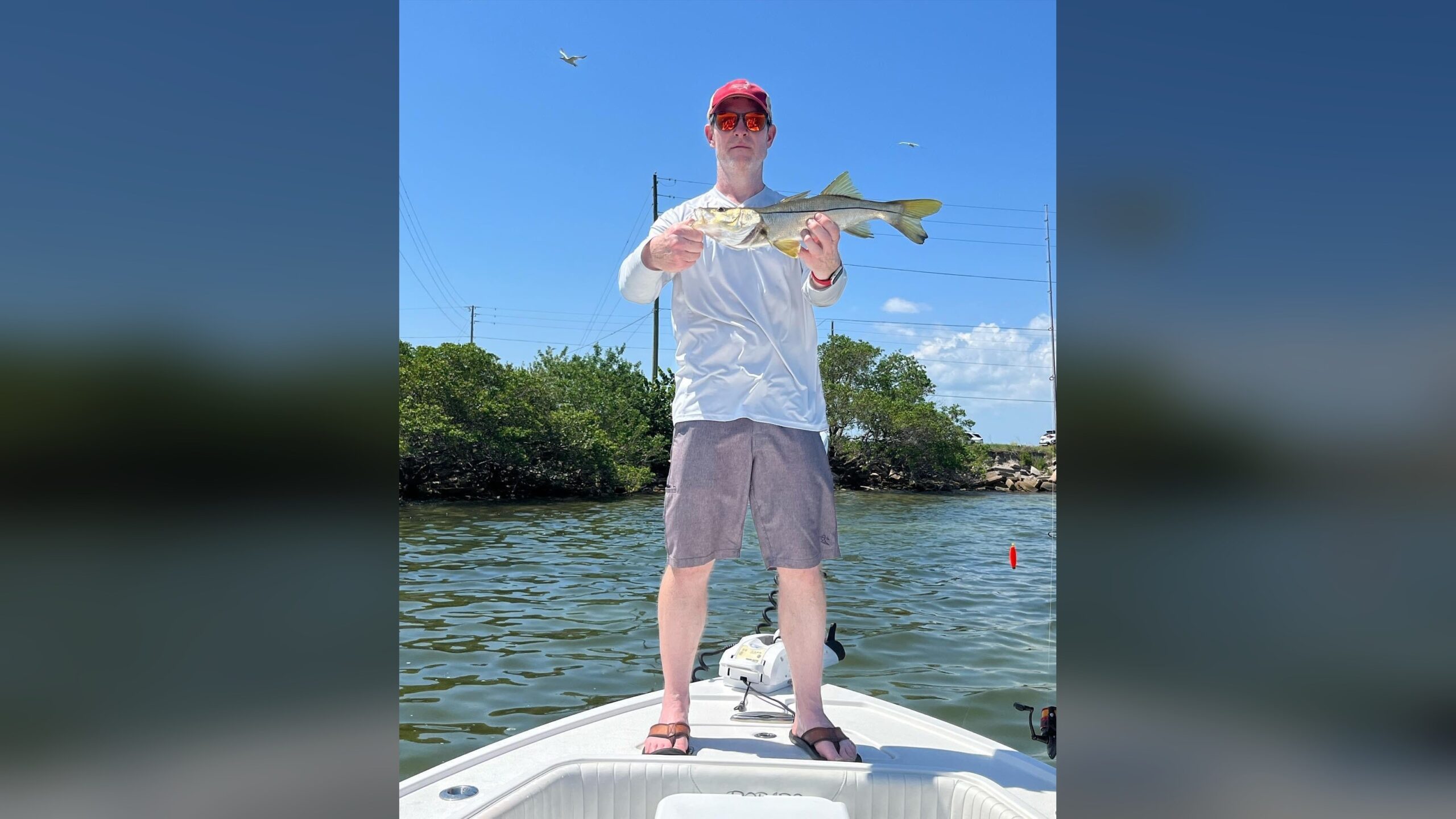
Snook lead the report, from schoolie size to true overslot fish cruising the first trough along Sanibel, Captiva and Fort Myers Beach at dawn. The season is closed and these are spawners, so quick catch-and-release in the water is the standard. Mangrove snapper to 16 inches sit on every rockpile, dock and channel edge in the sound. Tarpon roll off Redfish and Captiva passes on the hill tide, and redfish creep under the bushes around Matlacha and the eastern sound.
Where to Find Them
For snook, walk the beach at first light and look down-sun into the trough. Snapper want hard structure with current: the Sanibel causeway spans, the Redfish Pass rocks and the sound’s keys. Tarpon hold on the beach side of the passes on the early outgoing.
The causeway spans also run a strong night program, with snapper, the odd keeper gag pulled from the rubble, and tarpon rolling through the lights on the bigger tides. A quiet anchor up-current of the spans after dark is the sleeper trip of the week.
Tides & Conditions
Building spring tides into the full moon mean strong flow in the passes, good for tarpon and snapper but tough on clarity during the afternoon outgoing. Water temperatures peak, and storms build over the Glades and arrive mid-afternoon like clockwork. Where storms push fresh water in, move toward the pass and find the salinity edge. Plan around heat rather than daylight: an 11 a.m. trip in 90-degree water wastes fuel, while the same water at 6 a.m. is a different fishery.
Tackle & Tactics
- Beach snook: small white paddletails, flair-style jigs or a free-lined pilchard on 20- to 30-pound leader, cast long and parallel to the beach. The water is clear enough that 40-pound leader gets refused where 30 gets eaten.
- Snapper: live shrimp on a 1/4-ounce jighead with 15-pound fluorocarbon. Dropping a hook size makes a real difference.
- Flats: downsize to a 1/8-ounce jighead so the plastic falls slowly through the strike zone.
- Pass tarpon: pass crabs drifted on the outgoing with 60-pound leader.
Local Intel This Week
The Sanibel boat ramp at the causeway, Punta Rassa and the Matlacha Park ramp cover the water. Punta Rassa, at the foot of the Sanibel Causeway, is the fastest way to the passes and fills before 7 a.m. on weekends. Matlacha reaches Matlacha Pass and the eastern sound bars in calmer water when the Gulf is up, and the Fort Myers Beach ramp on San Carlos Island gets you to Big Carlos Pass and the beach troughs quickly. Beach walkers can park at Bowman’s Beach or Blind Pass; the causeway islands offer beach access and parking, and the Fort Myers Beach pier area holds snapper and jacks after dark. Check current FWC and federal regulations and seasons before keeping fish.
This Week’s Tip
Beach snook see everything in that clear water, so make your first cast count from dry sand before you ever step in. The fish you spook wading in is usually the biggest one in the trough.
Planning a trip to Fort Myers/Sanibel?
This report tells you what happened. ReelAI tells you what to do about it — a briefing for your date, your target species and how you're fishing, built from our reports plus live NOAA and USGS data.
Powered by ReelAI — fishing.digital's intelligence layer. Answers are generated from fishing.digital reports and public NOAA, NWS and USGS data, and may be incomplete or out of date. Regulations and marine safety information are summaries only; always confirm with the responsible authority before you fish.