
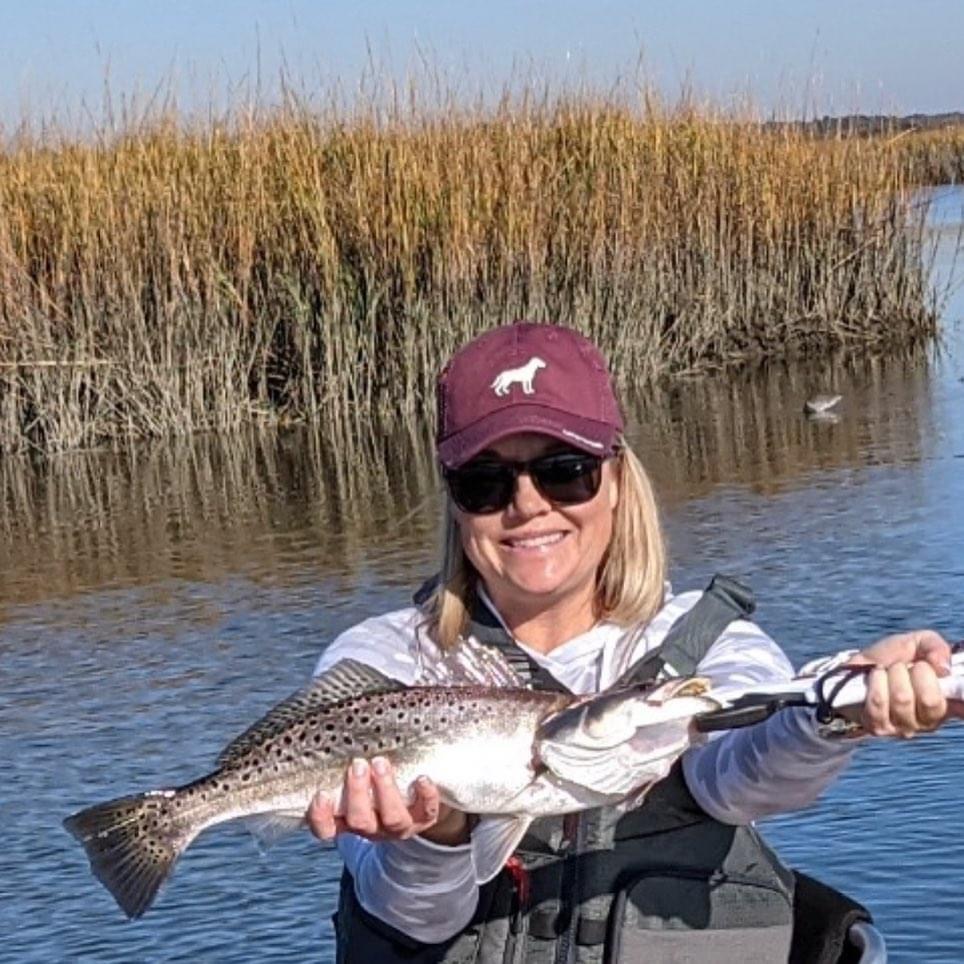
What’s hot in the Indian River Lagoon this week is a very early alarm clock. Lagoon water is running 87 to 90 degrees and the middle of the day is genuinely unproductive — the fish are pinned to the deepest, coolest water they can find and they will not chase. But the hour on either side of sunrise has been excellent, and the last forty minutes of daylight are nearly as good.
What’s Hitting
Spotted seatrout are the most consistent target, holding on the deeper grass and potholes and eating well at first light. Slot redfish are on the spoil island edges and the residential dock lines. Black drum are around the dock pilings and bridge structure and will eat all day when nothing else will. Snook are around the bridges and the inlet rock at night, catch-and-release for a few more days. Juvenile tarpon are rolling in the deeper basins, and ladyfish and jacks are thick enough to keep anyone busy.
Where to Find Them
Work the deep grass in 4 to 6 feet with scattered sand potholes for trout — the stretch from Melbourne south toward Grant and the water behind the spoil islands off Sebastian have both been reliable. Redfish are on the spoil drop-offs and tucked under docks along the mainland shoreline. Black drum are on the Wabasso and Sebastian bridge pilings and the deeper canal docks. The Sebastian Inlet holds snook, snapper and macks on the moving tide.
Tides & Conditions
Tidal influence in the lagoon proper is minimal — wind sets the water level and the clarity, so a calm morning is worth more than any tide stage. Near Sebastian Inlet the tide runs hard and matters a great deal; fish the incoming for the cleanest water. Lagoon temperature is upper 80s and the water is greener than usual after the warm, still stretch. Afternoon storms are a daily event with dangerous lightning — be off the water by early afternoon.
Tackle & Tactics
A 2500-size spinner with 10- to 15-pound braid and 20-pound fluorocarbon is the right lagoon setup. A soft plastic on an eighth- to quarter-ounce jighead worked slowly through the potholes is the trout program at dawn; a topwater walker will draw strikes for the first thirty minutes of light and then stop cold. Redfish want a weedless plastic or a live shrimp pitched under the docks. For black drum, a half a blue crab or a fresh shrimp on a knocker rig right against the piling is the whole trick.
Local Intel This Week
The Sebastian Inlet ramps and the Wabasso Causeway ramp are the standard access on the south end, Ballard Park and the Front Street ramp serve Melbourne, and the Riverview Park ramp in Sebastian is a quiet alternative. Shore anglers are catching snook and macks from the Sebastian Inlet north jetty. Fish are concentrating in the deepest available water and in shade — potholes, dock shadow, bridge pilings. Seatrout and redfish rules in the lagoon zones have changed several times in recent years; check current FWC regulations and seasons before keeping any fish.
This Week’s Tip
In water this warm, work the sand potholes rather than the grass itself. A pothole is a foot or two deeper, holds slightly cooler water, and gives a trout a clean ambush background. Cast past the pothole, swim the bait to the edge, and let it drop into the hole — most eats come on that drop.
Planning a trip to Indian River Lagoon?
This report tells you what happened. ReelAI tells you what to do about it — a briefing for your date, your target species and how you're fishing, built from our reports plus live NOAA and USGS data.
Powered by ReelAI — fishing.digital's intelligence layer. Answers are generated from fishing.digital reports and public NOAA, NWS and USGS data, and may be incomplete or out of date. Regulations and marine safety information are summaries only; always confirm with the responsible authority before you fish.