Updated: Thursday, September 17, 2026 · Next update: Thursday, September 24, 2026
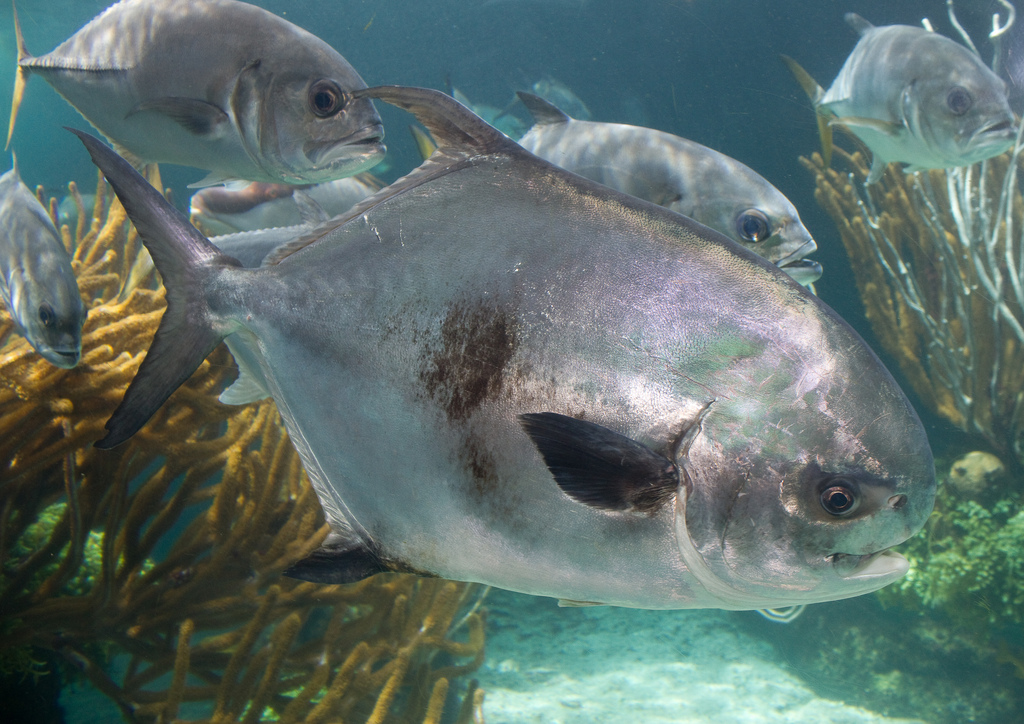
This Florida Keys fishing report covers mid-September, when the heat starts to break at dawn and the flats fish respond. Permit are the lead target, tailing on the oceanside flats from Islamorada through the Lower Keys on the falling morning tide, with bonefish moving again and yellowtail snapper steady on the reef. This is the quiet stretch of the Keys calendar, after the summer tourists and before the fall tarpon push, and one of the best times of year to have a flat to yourself. Plan around the early bite before midday heat.
What’s Hitting
Permit lead the week. Schools work the oceanside flats from Islamorada through the Lower Keys, tailing on the falling tide in the mornings before the sun gets high. Bonefish, quiet in the August heat, are back on the Islamorada and Marathon flats early and late.
On the reef, yellowtail snapper are steady in 60 to 90 feet, mutton snapper sit on the patch reefs, and mangrove snapper stay thick on the bridges at night. Offshore, expect a few early sailfish and scattered mahi on the edge, with blackfin tuna on the humps.
Where to Find Them
Look for permit on the oceanside flats and the edges of the channels on the outgoing tide, especially the flats behind Islamorada and around the Content Keys. Channel edges matter on a falling tide because draining water pulls crabs and shrimp off the flat, and permit wait where the current concentrates them. Bonefish are on the Upper Keys oceanside flats at first light.
For yellowtail, anchor up-current of the reef edge in 60 to 80 feet off Islamorada or Marathon, then fish the patch reefs inside for muttons. The Channel 2 and Channel 5 bridges and the Seven Mile Bridge give up mangroves after dark.
Tides & Conditions
Moderate tides between the new and full moons suit the flats fishing well, and falling water in the morning is the best permit window. Flats water climbs into the upper 80s midday, so the early bite is the reliable one. Expect light and variable winds with a chance of afternoon storms, and a reef that is fishable most days.
Tackle & Tactics
- Permit: a live crab on a 2/0 hook with a 15-pound fluorocarbon leader, or a crab-pattern fly on a 10-weight for anglers who want to earn it.
- Bonefish: a small shrimp or a shrimp-pattern fly on 12-pound leader.
- Yellowtail: a steady chum slick, small hooks and light fluorocarbon fished back in the slick.
- Patch reefs: a heavier bottom rod for muttons and grouper.
Yellowtail rise into a slick but turn line-shy quickly, so light leader and a bait that drifts naturally with the chum make the difference.
Local Intel This Week
Founders Park ramp in Islamorada and the Marathon municipal ramp at 33rd Street are the main launches for the Middle Keys, and the Sugarloaf and Big Pine ramps put you on the Lower Keys flats. Bridge anglers do best on the Long Key and Seven Mile spans at night. Snapper and grouper regulations vary by species and zone in the Keys. Check current FWC and federal regulations and seasons before keeping fish.
This Week’s Tip
Permit see a lot of boats. Shut the motor down well outside the flat, pole or drift in quietly, and make the first cast count. A crab landed a few feet ahead of a tailing fish beats three casts on top of the school.
Planning a trip to Florida Keys?
This report tells you what happened. ReelAI tells you what to do about it — a briefing for your date, your target species and how you're fishing, built from our reports plus live NOAA and USGS data.
Powered by ReelAI — fishing.digital's intelligence layer. Answers are generated from fishing.digital reports and public NOAA, NWS and USGS data, and may be incomplete or out of date. Regulations and marine safety information are summaries only; always confirm with the responsible authority before you fish.