Updated: Thursday, September 17, 2026 · Next update: Thursday, September 24, 2026
This Fort Lauderdale fishing report covers mid-September, when the mullet run pushes into Broward County in full and the inlets are the place to be at first light. Offshore, a weedline sets up along the edge, and mahi are the lead target on that weedline and the debris in 300 to 600 feet. Inshore, snook feed on mullet at Port Everglades and Hillsboro Inlet, and tarpon work the beach after dark. Plan around the morning outgoing tide at the inlets and calm early seas, and fish both.
What’s Hitting
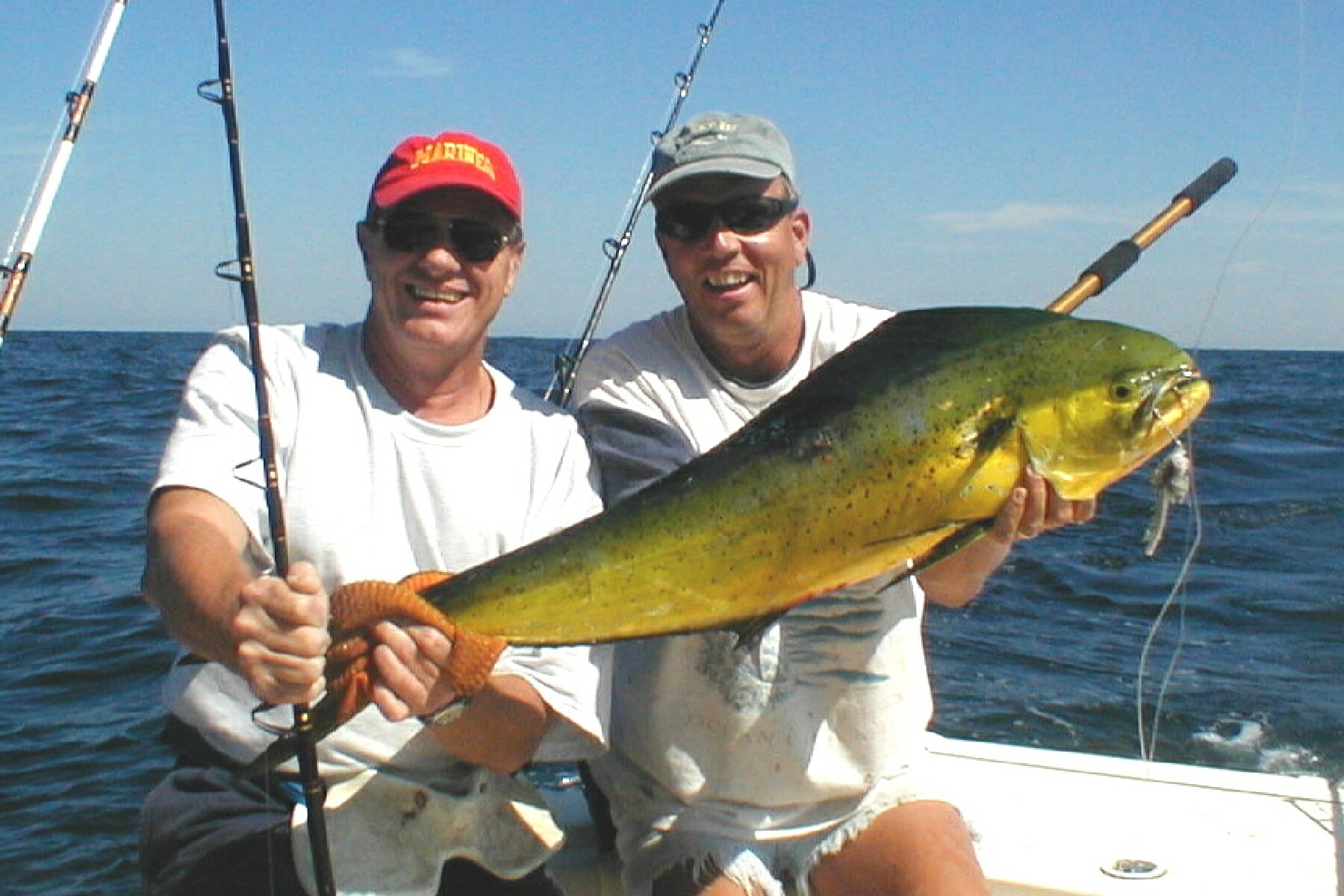
Mahi are the offshore headline. Schoolie to gaffer-size fish work the weedlines and debris in 300 to 600 feet, with a few bigger bulls mixed in, and the first sailfish of the fall show on the edge in 120 to 180 feet. Kingfish and bonito are steady on the reef in 90 to 120 feet.
Inshore, snook stack at Port Everglades and Hillsboro Inlet on the outgoing tide feeding on mullet, and they move into the surf at first light along Fort Lauderdale Beach and Pompano Beach. Tarpon roll along the beaches and inside Port Everglades after dark, and jacks blow up bait everywhere.
Where to Find Them
Offshore, run out to 300 feet and look for the weedline, birds or any floating debris, then troll or run-and-gun along it. For sailfish and kings, the reef edge in 120 to 180 feet off Hillsboro is the zone.
Inshore, the Port Everglades jetties and the rocks at Hillsboro Inlet hold snook on the falling tide, and the beach from the inlet south along Fort Lauderdale Beach has snook and tarpon in the surf line at dawn. The Intracoastal bridges light up with snook and tarpon at night, as the lights draw bait into the shadow lines.
Tides & Conditions
Tides are moderate with the first-quarter moon on Friday, and the morning outgoing is the best inlet window. Expect seas of 2 to 3 feet with a light east wind in the mornings, building with the afternoon storms. Water sits in the mid-80s and clear along the beach, and a north-running current on the edge sets up the sailfish.
Tackle & Tactics
- Mahi: a spread of small ballyhoo and skirted lures along the weedline, with a spinning rod rigged with a live pilchard or a chunk bait ready to pitch at any school that comes up.
- Sailfish: a live goggle-eye or pilchard on a kite or slow-troll.
- Inlet snook: live finger mullet on a 5/0 circle hook or a flair hawk jig on 40-pound fluorocarbon.
- Tarpon: live mullet or a large swimbait on 60-pound leader and a heavy spinning outfit at the beach or bridges.
Local Intel This Week
The 15th Street boat ramp at Cox Landing is the most convenient public launch for Port Everglades, and the Alsdorf Park ramp in Pompano Beach serves Hillsboro Inlet. Shore anglers can target snook and tarpon from the Anglin’s Pier area in Lauderdale-by-the-Sea and along the beach at Hillsboro. Snook season is open on the Atlantic coast in September. Check current FWC and federal regulations and seasons before keeping fish.
This Week’s Tip
When you find a mahi school on the weedline, leave the first fish you hook in the water beside the boat. The rest of the school stays with it, and you can pitch baits to the others one at a time instead of watching them scatter.
Planning a trip to Fort Lauderdale?
This report tells you what happened. ReelAI tells you what to do about it — a briefing for your date, your target species and how you're fishing, built from our reports plus live NOAA and USGS data.
Powered by ReelAI — fishing.digital's intelligence layer. Answers are generated from fishing.digital reports and public NOAA, NWS and USGS data, and may be incomplete or out of date. Regulations and marine safety information are summaries only; always confirm with the responsible authority before you fish.