Updated: Thursday, October 1, 2026 · Next update: Thursday, October 8, 2026
This Lake Fork fishing report covers early October, when fall starts on the big bass lake of East Texas. Water temperatures are dropping, shad are moving into the creeks, and largemouth bass follow them, schooling on bait early and late in the day. October is a transition month on Fork, and anglers who stay mobile and follow the bait catch fish. The main condition to plan around is the first fall fronts, which can shut fish down for a day before excellent fishing returns.
What’s Hitting
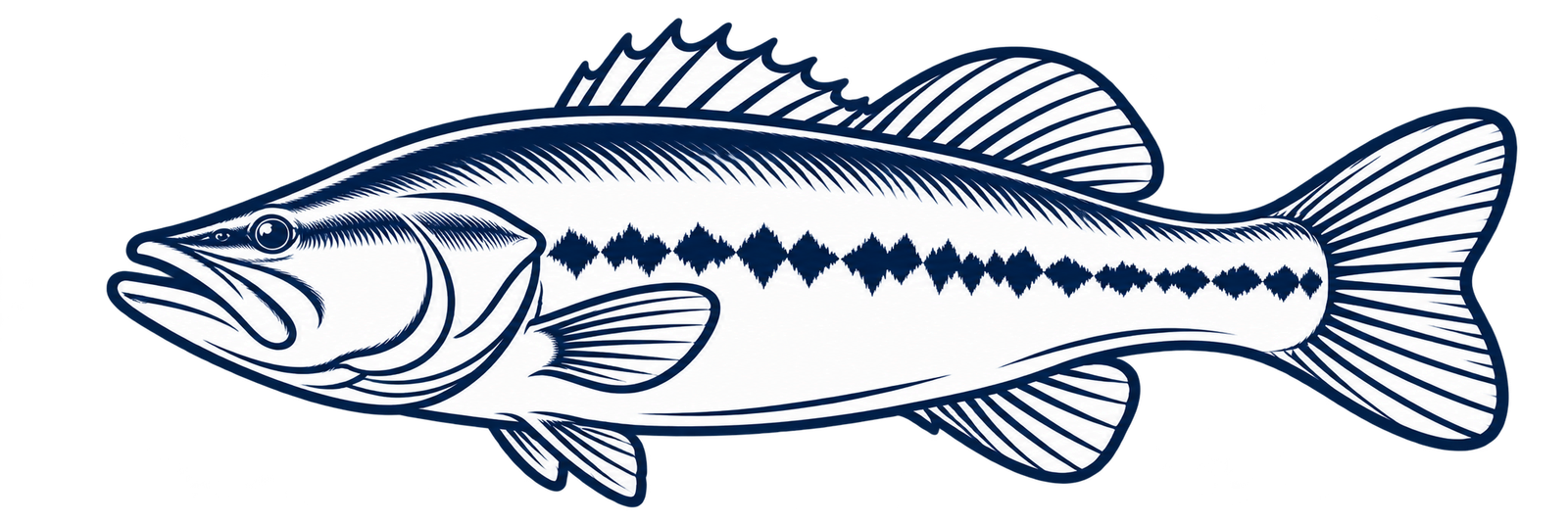
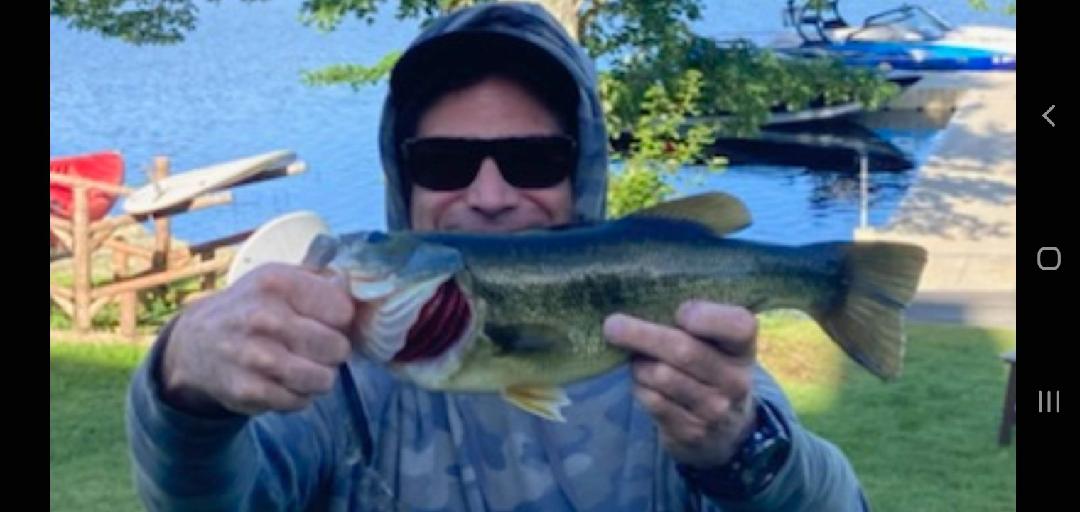
Largemouth bass school on shad, especially in the early mornings and late afternoons. The fall transition is underway, with fish moving from the main lake into the creeks. A few big bass come off deeper structure, which is the reason anglers travel to Fork. Crappie sit on the brush piles and around the bridges, and white bass school on the main lake.
Schooling bass push shad to the surface in brief bursts, so feeding windows can open and close within minutes.
Where to Find Them
For schooling bass, look for surface activity on the main lake points and at the mouths of the creeks. For bass moving into the creeks, fish the secondary points and the flats in the backs of the creeks. Creek mouths and secondary points act as staging areas in fall because they sit on the route shad take toward shallower water.
For big bass, work the deeper humps, ridges and timber in 15 to 25 feet. For crappie, target the brush piles and the bridge pilings, including the Highway 154 and Highway 515 bridges.
Tides & Conditions
There is no tide on Lake Fork, but water level and weather matter. Water temperatures sit in the upper 70s and are dropping. The first fall fronts typically arrive in October and can shut fish down for a day, followed by excellent fishing as conditions settle. Overcast and windy days are often the best for schooling fish, since low light and a broken surface keep shad near the top and make bass less wary.
Tackle & Tactics
- Schooling bass: a topwater, a lipless crankbait or a small swimbait that matches the shad.
- Creek bass: a squarebill crankbait or a spinnerbait around the cover. A squarebill deflects off wood and rock, and that sudden change of direction triggers reaction strikes from bass holding tight to cover.
- Big bass on deep structure: a Carolina-rigged soft plastic, a football jig or a deep-diving crankbait.
- Crappie: small jigs or live minnows fished vertically over the brush.
Local Intel This Week
Boaters can launch at the Lake Fork Marina area ramp, the Oak Ridge Marina area and the Highway 515 area ramps; the Highway 515 ramps put you close to the bridge pilings for crappie and to the main lake points for schooling fish. Bank access is limited, but the bridge areas and some parks offer shore fishing. Expect schooling bass on the main lake points and transitioning fish in the creeks. Lake Fork has its own special largemouth bass rules, so review them before you go. Check current state and federal regulations and seasons before keeping fish.
This Week’s Tip
When the bass are schooling, keep a rod rigged with a topwater or a lipless crankbait ready at all times. Schooling fish come up quickly and go down just as fast, and the angler who can make a fast, accurate cast into the school gets the strike. Hold the boat at the edge of the activity rather than driving into it to keep the school up longer.
Planning a trip to Lake Fork TX?
This report tells you what happened. ReelAI tells you what to do about it — a briefing for your date, your target species and how you're fishing, built from our reports plus live NOAA and USGS data.
Powered by ReelAI — fishing.digital's intelligence layer. Answers are generated from fishing.digital reports and public NOAA, NWS and USGS data, and may be incomplete or out of date. Regulations and marine safety information are summaries only; always confirm with the responsible authority before you fish.