Updated: Thursday, October 1, 2026 · Next update: Thursday, October 8, 2026
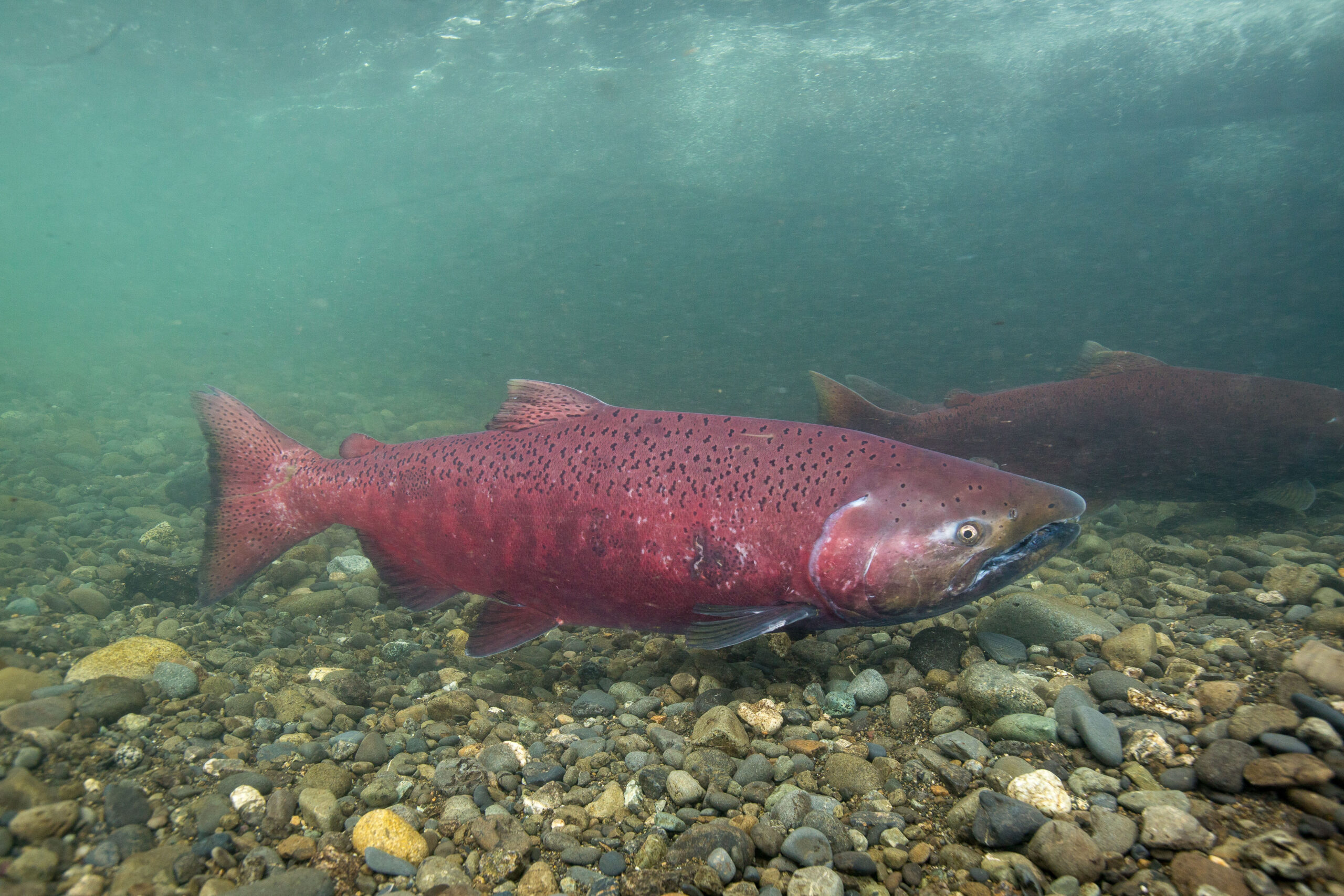
This Great Lakes fishing report covers early October, a busy time across the lakes. King salmon run up the rivers, walleye and perch feed on Lake Erie and the first steelhead show in the tributaries. King salmon are the lead species, aggressive as they move upstream in the Lake Michigan and Lake Ontario tributaries. There are no tides, so plan around wind, fall storms and river levels; a rain pushes fresh fish into the rivers. October has something for every type of angler, from river drifters to night trollers.
What’s Hitting
King salmon run up the tributaries of Lake Michigan and Lake Ontario and are aggressive as they move upstream. Walleye and yellow perch feed on Lake Erie as the water cools. The first fall steelhead arrive in the rivers. Smallmouth bass sit on the rocky structure and feed heavily before winter.
Where to Find Them
For king salmon, fish the tributaries of Lake Michigan and Lake Ontario, such as the Salmon River in New York and the Pere Marquette in Michigan. On Lake Ontario, the river mouths hold staging kings waiting for a rain to push them upstream. For walleye, work the western and central basins of Lake Erie; the fall bite is often best at night near shore, when the fish move shallow to feed on baitfish. For perch, target the rock piles and reefs in western Lake Erie, where schools gather near the islands. Stay mobile and use electronics to find them. For steelhead, try the tributaries of Lake Erie and Lake Ontario.
Tides & Conditions
There are no tides, but the wind and the weather drive the fishing. Fall storms can make the lakes rough, so check the forecast before heading out. Dropping water temperatures trigger the salmon and steelhead runs, and rising river levels after a rain bring in fresh fish.
Tackle & Tactics
Carry river and lake setups:
- King salmon: a spinner, a spoon or a skein bag under a float in the rivers.
- Walleye: a crankbait trolled at night, or a jig with a minnow.
- Perch: a perch spreader with emerald shiners or minnows.
- Steelhead: a bead or a fly drifted along the bottom.
A perch spreader holds two baited hooks apart on a wire arm, so you can work a school with double the offerings.
Local Intel This Week
Many tributaries have public access through state parks and fishing access sites, which is the way to reach the river runs on foot. On Lake Erie, launch at Catawba Island State Park or East Harbor State Park in Ohio for quick runs to the western basin reefs and islands. Oswego Harbor gives access to Lake Ontario and its staging river-mouth kings, and Sterling State Park serves the western end of Lake Erie in Michigan. Rules vary by state and province, so check provincial rules where they apply. Check current state and federal regulations and seasons before keeping fish.
This Week’s Tip
Fish clean and handle fish well. When fishing for salmon in the rivers, be respectful of other anglers and the fish. Avoid snagging, which is illegal in most places, present your spinner or skein to fish in front of you rather than ripping through a pod, and practice good catch-and-release technique for fish you do not keep.
Planning a trip to Great Lakes?
This report tells you what happened. ReelAI tells you what to do about it — a briefing for your date, your target species and how you're fishing, built from our reports plus live NOAA and USGS data.
Powered by ReelAI — fishing.digital's intelligence layer. Answers are generated from fishing.digital reports and public NOAA, NWS and USGS data, and may be incomplete or out of date. Regulations and marine safety information are summaries only; always confirm with the responsible authority before you fish.