
Updated: Thursday, November 5, 2026 · Next update: Thursday, November 12, 2026
This Fort Lauderdale fishing report is a seasonal outlook for early November, when the first cold fronts typically stir up South Florida’s offshore bite. The new moon on Monday, November 9 and the end of daylight saving shape the timing, while north wind and Gulf Stream position often decide the day. Treat it as a planning guide and confirm sea state and conditions with a local bait shop before heading offshore.
What’s Hitting
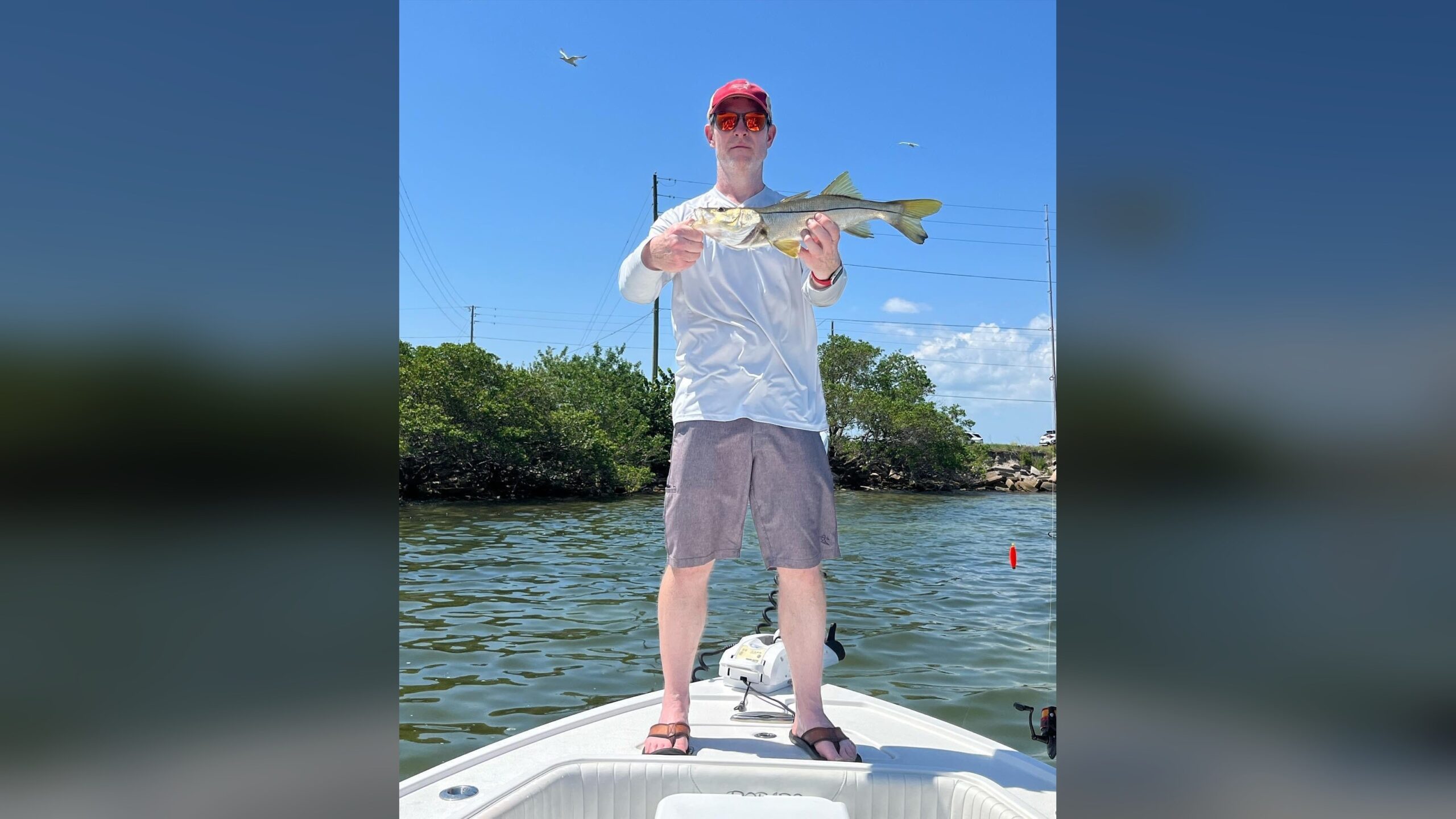
Early November off Broward County usually signals the start of the winter pelagic season. Kingfish should be moving along the reef edges as bait schools gather, and blackfin tuna often show up over deeper ledges and around the Gulf Stream edge. Wahoo may begin to appear along the drop-offs, especially after a front. Sailfish often follow the bait later in the month, so this week might be an early look rather than the peak. Mutton and yellowtail snapper remain steady options on the reefs, and mahi can still be found around floating debris. Inshore, snook and tarpon often hang around the inlets, bridges, and canals as cooler water comes.
Where to Find Them
Port Everglades Inlet and Hillsboro Inlet are the key access points, with the reef lines from 60 to 120 feet off Fort Lauderdale and Pompano Beach holding snapper and kings. The Gulf Stream, often a few miles offshore, defines the blue-water options. Wreck sites like the Mercedes I and the Tenneco Towers can attract bait and predators. Inshore, the New River and the Intracoastal Waterway bridges near Las Olas hold snook and tarpon when the water is stable. Lake Worth Inlet and the Boynton Inlet to the north provide additional options when the Gulf Stream pushes in that direction.
Tides & Conditions
Inlet tides around Port Everglades and Hillsboro can run strongly, and the new moon on Monday, November 9 should heighten current for several days. The best offshore bite often coincides with changes in current direction along the reef edge. After a strong northerly front, the stream may push closer to the coast, which tends to concentrate bait. Daylight saving’s end moves sunrise earlier, so aim to be on the reef early. Be careful with north wind against the outgoing tide in the inlets.
Tackle & Tactics
Trolling for kings and wahoo means wire leader, high-speed lures, and rigged ballyhoo, with a medium-heavy conventional outfit on twenty to thirty-pound line. Blackfin tuna respond to small feathers, jigs, and live bait. Snapper fishing calls for lighter spinning gear, a long fluorocarbon leader, and live shrimp or chum. Kite fishing with live baits is a classic cold-front approach for sailfish. Inshore, a medium spinning rod, shrimp, and white soft plastics suit snook around lights and bridges. Remember a good gaff, tail rope, and release gear. Spare wire leader and extra ballyhoo make a big difference on a short trip.
Local Intel This Week
Public access is plentiful along the Intracoastal. The Fort Lauderdale Beach Pier, officially Anglin’s Fishing Pier in Lauderdale-by-the-Sea, is a well-known shore platform, and the Hillsboro Inlet Park area offers rock-and-jetty fishing. Port Everglades has boat ramps nearby, including those at Lauderdale Marine Center’s neighborhood and Hollywood’s North Beach Park. Expect traffic on weekends and check the local boating notices before heading offshore. Check current state and federal regulations and seasons before keeping fish. Haulover Park’s marina and Dania Beach Pier give South Florida anglers more shore and launch options. Watch for rough inlet conditions when the wind opposes the tide, and check for manatee zones before running through the canals.
This Week’s Tip
Line up a dawn trip, buy live bait or rig ballyhoo the night before, and troll the 100-foot reef edge off Port Everglades during the first strong current change after sunrise. Check wind and the Gulf Stream position the evening before, and rig two or three extra wire leaders so lost lures do not end the day early.
Planning a trip to Fort Lauderdale?
This report tells you what happened. ReelAI tells you what to do about it — a briefing for your date, your target species and how you're fishing, built from our reports plus live NOAA and USGS data.
Powered by ReelAI — fishing.digital's intelligence layer. Answers are generated from fishing.digital reports and public NOAA, NWS and USGS data, and may be incomplete or out of date. Regulations and marine safety information are summaries only; always confirm with the responsible authority before you fish.