
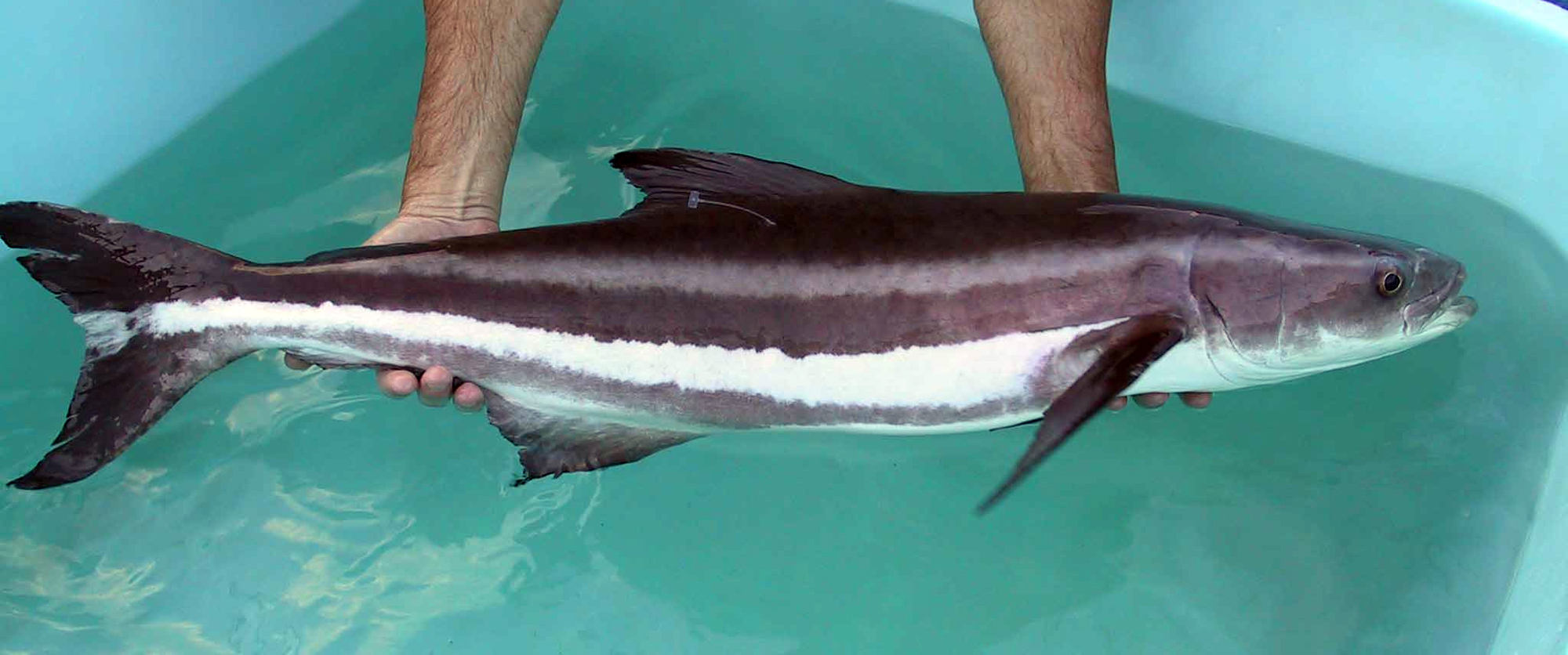
The lower Chesapeake is rounding into its summer form this week. Cobia have arrived at the mouth of the bay and are being sight-cast and chummed up around the shoals, buoys, and bait pods. Bucktails and live eels pitched to sighted fish on the calm days have been producing as the cobia season gets underway.
Big red drum are showing on the shoals and around the inlets, providing heavy-tackle catch-and-release action for anglers fishing cut bait and big jigs on the bottom. Slot-size puppy drum are working the marshes and structure in the rivers and creeks.
Speckled trout are hitting around the marsh points, grass, and structure on soft plastics and topwater early, and croaker and spot have filled in around the bottom for anglers and kids looking for steady action. Spanish mackerel are beginning to show at the mouth of the bay.
Striped bass are post-spawn and settling into their summer pattern around the structure, channel edges, and the bridge-tunnel — anglers should review current striped bass regulations before keeping any fish. Flounder are around the inlets and channel edges for the bottom-bouncing crowd.
The cobia and red drum action are the headliners and should build through June. Fish the calm-water windows for sight-casting and work the marsh points early for trout and puppy drum.
Spots & Access This Week
In the lower bay, the Cape Charles town ramp and Kiptopeke State Park are the two launches that matter for cobia and red drum — both put you within a short run of the buoy lines and the shoals where the sight-casting happens. Sandy Point State Park serves the upper bay and the Bay Bridge pilings. On the Virginia side, the Lynnhaven and Rudee Inlet ramps give access to the CBBT and the ocean-side structure. Shore anglers should look at the CBBT islands, Kiptopeke’s fishing pier, and the Poquoson shoreline access points, all of which produce trout, puppy drum, and plentiful spot and croaker for anyone fishing with kids.
Fine-Tuning Your Approach
Early June is when the cobia game turns on, and it lives entirely on visibility. You need sun overhead, light wind, and a tower or at least a poling platform to spot fish. Run the buoy lines slowly and look for the dark shape rather than the whole fish. When you spot one, lead it and let a bucktail sink into its path — a cast that lands on its back sends it down every time. For the trout and puppy drum, work the marsh points and grass edges on the last of the flood with a soft plastic on a light jighead. Water is warming fast, so start early and keep fights short on anything you intend to release.
Weather and Timing
June on the Chesapeake is a morning fishery with an afternoon thunderstorm problem. The bay builds a nasty short chop in any sustained breeze over 12 knots, and the cobia sight-casting shuts down completely when the surface roughens. Watch the forecast for the calm-water windows and be prepared to move your trip a day. Striped bass are entering their warm-water pattern, which means early topwater in the rivers and increasing catch-and-release mortality as temperatures climb — Virginia and Maryland both have specific season, size, and circle-hook rules, so check current VMRC and Maryland DNR regulations and seasons before keeping any fish.
This Week’s Tip
Cobia sight-casting rewards patience over speed. Idle the buoy lines at seven or eight knots with someone up high and everyone else scanning, and resist the urge to cover more ground when you are not seeing fish — the productive stretch is usually a mile of water you have to work over and over. When a fish finally shows, having the rod already in your hand with the bucktail hanging a foot off the tip is the difference between a shot and a story about the one you watched swim by while you untangled your leader.
More Chesapeake Bay Resources
Chesapeake Bay Fishing Guide · Chesapeake Bay Seasonal Calendar · All Chesapeake Bay reports →
Also read: Chesapeake Bay Fishing Report — Week of July 30, 2026: Cobia Sight-Casting, Speckled Trout
Reports updated every Thursday on fishing.digital.
Planning a trip to Chesapeake Bay?
This report tells you what happened. ReelAI tells you what to do about it — a briefing for your date, your target species and how you're fishing, built from our reports plus live NOAA and USGS data.
Powered by ReelAI — fishing.digital's intelligence layer. Answers are generated from fishing.digital reports and public NOAA, NWS and USGS data, and may be incomplete or out of date. Regulations and marine safety information are summaries only; always confirm with the responsible authority before you fish.