Updated: Thursday, June 11, 2026 · Next update: Thursday, June 18, 2026
This NC Outer Banks fishing report keeps sight-casting for cobia as the marquee event in mid-June. Fish cruise the nearshore waters and show around the buoys, shoals and bait pods off Oregon Inlet and Hatteras. The run is tapering but still worth a look. Red drum work the surf and the sound, Spanish mackerel blitz the beaches, and Gulf Stream mahi and billfish reward the offshore crowd. The condition that matters most is wind: calm, clear windows make the cobia sight-fishing, so watch the forecast and get out early.
What’s Hitting
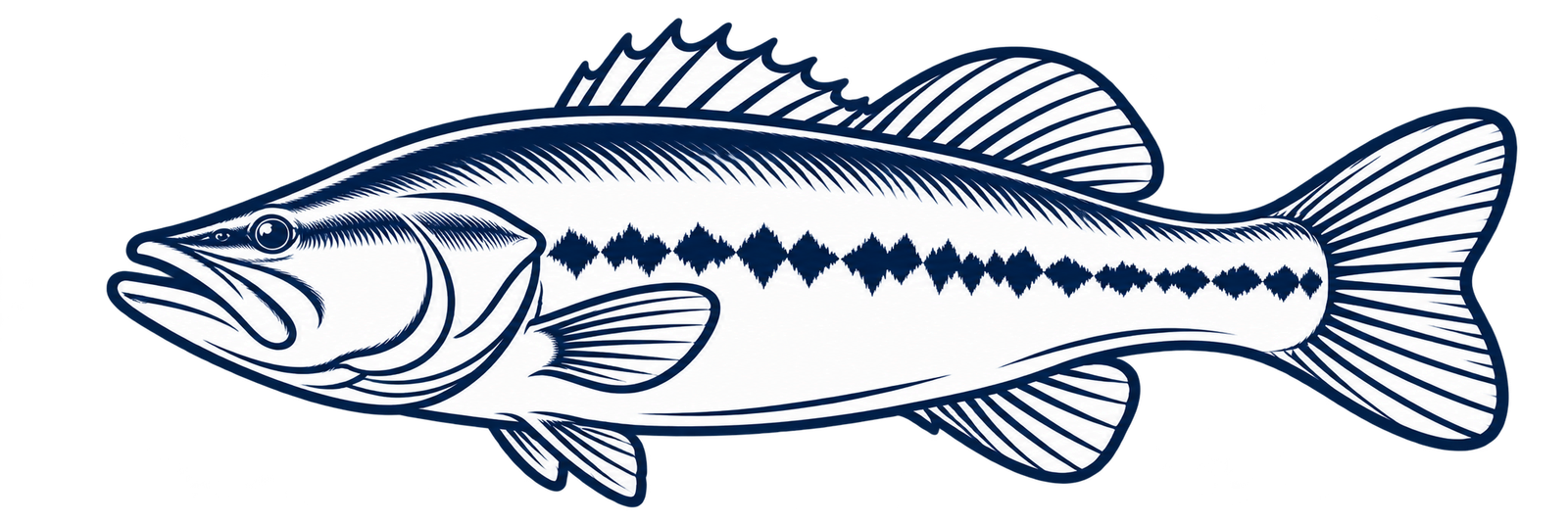
Cobia lead the report. In the surf and around the points, red drum eat cut bait, with slot fish and the occasional bigger drum in the mix, and the sound side offers drum and speckled trout.
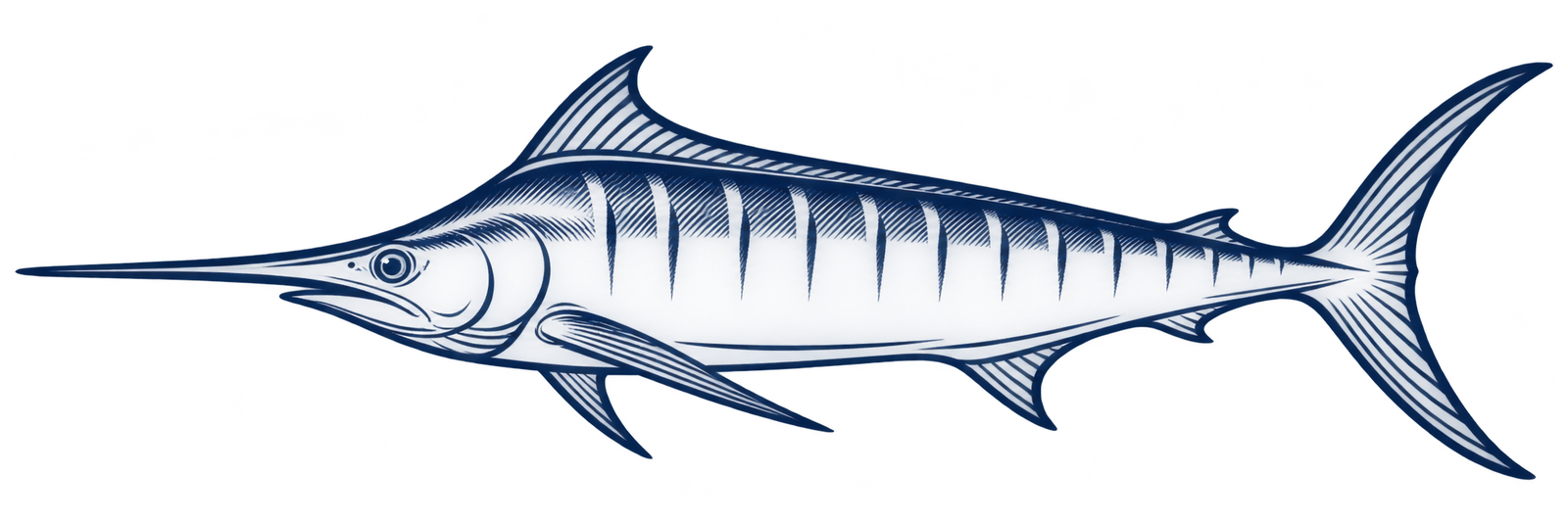
Spanish mackerel blitz bait along the beaches and around the inlets, a few king mackerel work the nearshore reefs and structure, and bluefish mix into the surf action. Flounder fill back in around the inlets and structure, sea mullet (kingfish) and pompano work the surf, and offshore the Gulf Stream mahi and billfish fishing is solid for boats making the run.
Where to Find Them
Look for cobia near Oregon Inlet and along the sound-side shoals on calm days, and around the buoys and bait pods off Hatteras. Down the banks, the Avon and Hatteras areas put you closer to the Point and the deeper nearshore water for kings and the tail end of the cobia.
On the sound side, drum and trout hang around the marshes and structure on the moving tides. Surf and pier anglers find Spanish, bluefish and pompano along the beaches, and the points concentrate red drum where currents meet.
Tides & Conditions
The OBX wind dictates everything. Cobia spotting depends on a flat, clear surface and sun overhead, so pick a light-wind, clean-water window and build the trip around it rather than a fixed date. Cleaner morning water also fishes best for surf and pier anglers.
Fish the moving tides on the sound side, when current pulls bait off the marsh edges. Expect the cobia and drum to hold through June as the nearshore water continues to warm.
Tackle & Tactics
- Cobia: a bucktail or live eel pitched ahead of a sighted fish is the proven approach.
- Red drum: cut bait in the surf and around the points.
- Spanish and blues: trolled spoons, casting jigs, and small flashy spoons and metals worked through the bird activity off the beaches.
- Sea mullet and pompano: fresh shrimp and Fishbites on a bottom rig.
Local Intel This Week
The public ramp at the Oregon Inlet marina is the staging point for both the nearshore cobia grounds and the inlet itself, so launch there for the calm-morning sight-casting. Farther south, Hatteras Inlet and the Avon and Hatteras areas put boaters within reach of Cape Hatteras Point and the deeper nearshore water. Shore anglers can spread out along the beaches and piers for Spanish, blues and pompano in the cleaner morning water.
Check current state and federal regulations and seasons before keeping fish.
This Week’s Tip
For cobia, run the calm, sunny mornings and post a spotter high on the tower. Fish cruise just under the surface, so keep a bucktail or eel ready and pitch it well ahead of the fish so it crosses the cobia’s path instead of landing on top of it.
Planning a trip to NC Outer Banks?
This report tells you what happened. ReelAI tells you what to do about it — a briefing for your date, your target species and how you're fishing, built from our reports plus live NOAA and USGS data.
Powered by ReelAI — fishing.digital's intelligence layer. Answers are generated from fishing.digital reports and public NOAA, NWS and USGS data, and may be incomplete or out of date. Regulations and marine safety information are summaries only; always confirm with the responsible authority before you fish.