
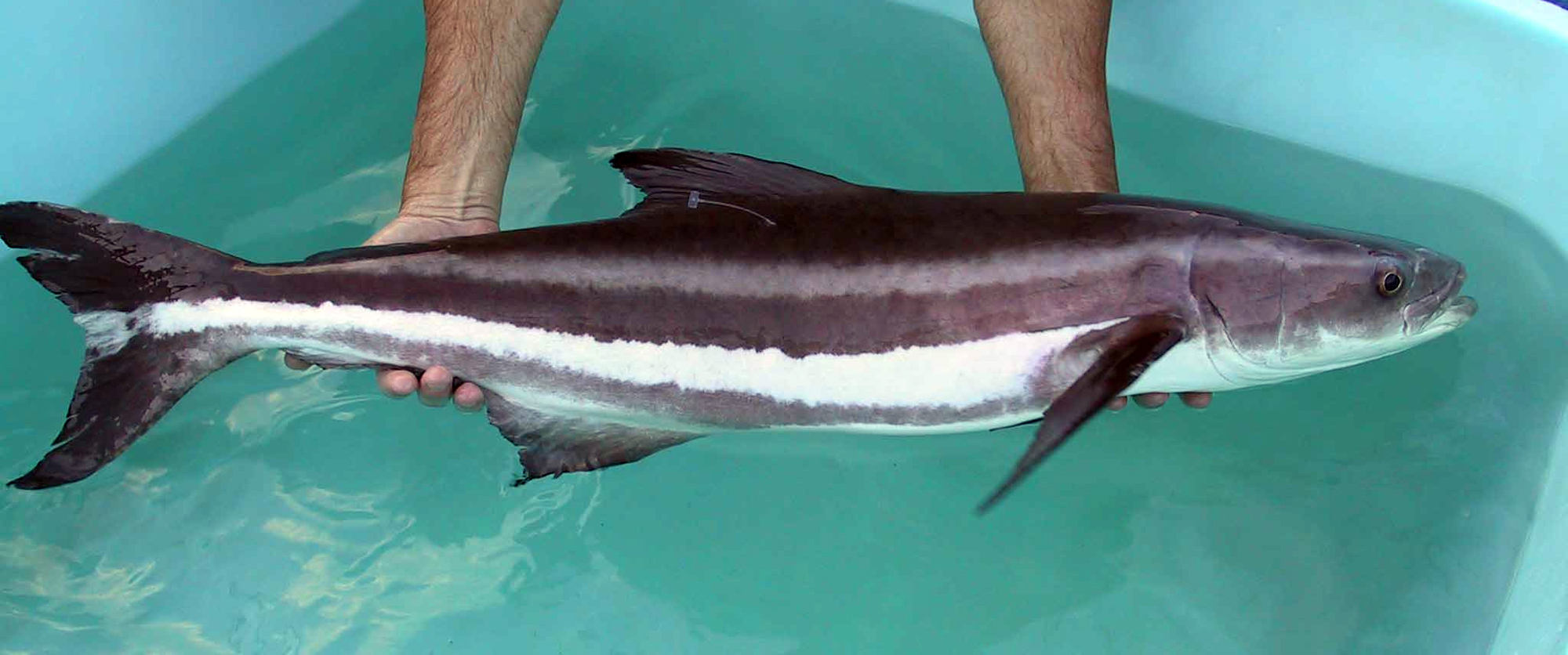
Early June on the Chesapeake means transition. Cobia are building at the bay’s mouth, post-spawn striped bass are feeding through the middle and lower bay, and red drum and speckled trout are filling in. Here is the week’s outlook on the water.
What’s Hitting
Cobia are arriving and building at the lower bay and around the mouth — sight-fishing and chumming are both producing. Striped bass (rockfish) are in their post-spawn feed, with school fish chasing bait through the middle bay. Red drum, both bull reds and slot fish, are showing in the lower bay, and speckled trout and flounder are working the grass and the channel edges. Spanish mackerel are starting to show at the mouth.
Where to Find Them
Cobia are at the mouth of the bay and around the CBBT and the buoys — look for fish on the surface and around the structure. Stripers are along the channel edges and over the bay’s lumps and reefs. Red drum are in the lower bay shallows and around the islands. Specks and flounder are on the grass flats and the channel drops of the rivers and the bay’s edges.
Tides & Conditions
Cobia sight-fishing wants calm, clear water — pick the settled days. Stripers feed on the moving tide along the edges. Water is warming through the 70s. Mornings and the moving tides are the most productive windows. Watch the wind for the lower-bay runs.
Tackle & Tactics
For cobia, pitch bucktails or live eels to sighted fish, or set a chum slick and fish live bait on the bottom. Stripers eat jigs, soft plastics, and trolled spoons along the edges. Red drum take cut bait on the bottom and soft plastics in the shallows. Specks fall to popping corks and paddletails over the grass.
Spots & Access This Week
The Kiptopeke State Park ramp on the Eastern Shore of Virginia is the closest launch to the bridge-tunnel and the cobia grounds, the Solomons ramp on the Patuxent serves the lower Maryland bay, and Sandy Point State Park at the Bay Bridge is the busiest ramp in the middle bay. The Crisfield ramp covers Tangier Sound. Shore anglers have been catching puppy drum and croaker from the Cape Charles pier and the Kiptopeke fishing pier.
Cobia are concentrating around the buoys and the bridge-tunnel pilings in the lower bay, and the redfish are in the shallows of the Eastern Shore creeks and the Tangier Sound grass beds.
Local Intel & Tactics
The Virginia cobia season has a tight opening date, a daily limit, and a minimum size, and Maryland has its own rules, so check current VMRC and Maryland DNR regulations before keeping fish. Redfish have a slot limit in both states. For the cobia in early June, the fish are cruising the surface around the buoys and the bridge-tunnel on the calm days, and sight-casting is the game. Run the buoy line with the sun high and behind you, look for the brown shapes on the surface, and cast a live eel or a bucktail with a big soft plastic a few feet in front of the fish. Have a second rod rigged with a live spot on a fish-finder rig for the fish you find on the bottom around the pilings.
This Week’s Tip
When sight-fishing cobia at the CBBT, position the sun at your back and run the structure slowly with a spotter up high. The fish hold tight to the pilings and around the surface clutter — a quiet approach and an early pitch ahead of the fish, not on top of it, makes all the difference.
More Chesapeake Bay Resources
Chesapeake Bay Fishing Guide · Chesapeake Bay Seasonal Calendar · All Chesapeake Bay reports →
Also read: Chesapeake Bay Fishing Report — Week of July 30, 2026: Cobia Sight-Casting, Speckled Trout
Reports updated every Thursday on fishing.digital.
Planning a trip to Chesapeake Bay?
This report tells you what happened. ReelAI tells you what to do about it — a briefing for your date, your target species and how you're fishing, built from our reports plus live NOAA and USGS data.
Powered by ReelAI — fishing.digital's intelligence layer. Answers are generated from fishing.digital reports and public NOAA, NWS and USGS data, and may be incomplete or out of date. Regulations and marine safety information are summaries only; always confirm with the responsible authority before you fish.