Updated: Thursday, June 4, 2026 · Next update: Thursday, June 11, 2026
This NC Outer Banks fishing report for early June finds the islands shifting into summer mode. Cobia are the lead target even as the run tapers, with sight-fishing shots off the beach and around the inlets on calm days. Spanish mackerel and bluefish blitz the beaches and piers, the Gulf Stream gives up tuna and mahi, and the sound holds puppy drum, speckled trout and flounder. The main condition to plan around is calm, clear weather, which makes both cobia sight-casting and the offshore run possible.
What’s Hitting
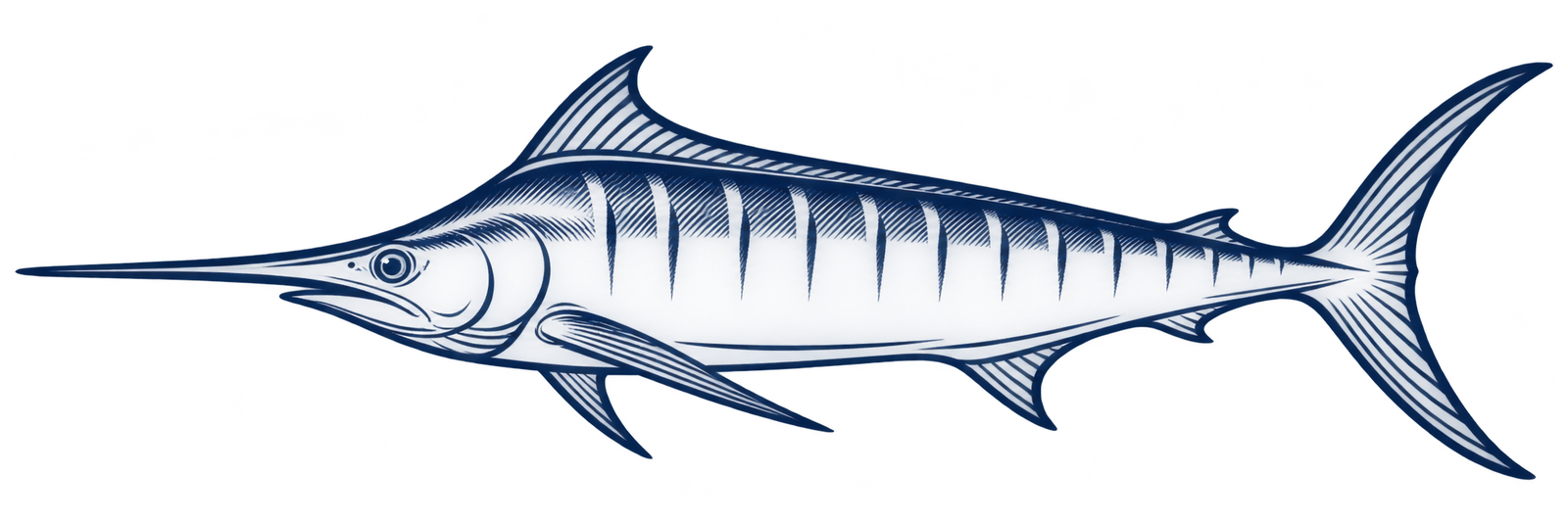
Cobia stick around in early June even as the peak of the run winds down, with the last fish on the nearshore rays and bait. Spanish mackerel and bluefish blitz the beaches and the piers. Offshore, yellowfin and blackfin tuna, mahi and the first billfish come from the Gulf Stream. In the sound, puppy drum, speckled trout and flounder work the grass and the bridges, and the surf gives up sea mullet, pompano and bluefish on the sloughs.
Where to Find Them
Sight-fish cobia off the beach in 20 to 40 feet and outside Oregon Inlet and Hatteras Inlet on the calm days. Spanish are on the piers, including Avalon, Nags Head, Jennette’s, Avon and Rodanthe, and along the beaches in the mornings. The Gulf Stream off Oregon Inlet and Hatteras is the offshore destination for tuna and mahi. In Pamlico Sound, the grass flats and bridge pilings hold drum, trout and flounder, and flounder and puppy drum also work the inlet edges.
Tides & Conditions
Calm, clear days are essential for sight-fishing cobia, so pick your window. Expect nearshore water warming into the low 70s. The offshore run requires a settled forecast. Mornings are the most reliable for the beach and pier action, and the incoming tide is the window for surf bottom fishing.
Tackle & Tactics
- Cobia: keep a heavy spinning rod rigged with a bucktail or a live eel. Run the beach on calm mornings and sight-cast to fish on the rays; keep a rigged rod in the holder and do not leave the tower.
- Spanish mackerel: Gotcha plugs and small spoons retrieved fast on a short mono trace; 40-pound fluorocarbon holds up better than wire when the fish are picky.
- Offshore: troll ballyhoo and skirts along the temperature breaks for tuna and mahi.
- Sound: soft plastics and popping corks for drum and trout.
- Surf: a two-hook bottom rig with small hooks and Fishbites or shrimp on the incoming tide is the sea mullet and pompano play.
Local Intel This Week
Boaters launch from the Oregon Inlet Fishing Center ramp for the inlet and the Gulf Stream run, the Hatteras village ramps for Hatteras Inlet, the Frisco sound-side ramp for Pamlico Sound, and the Ocracoke National Park Service ramp. Pier anglers can work Avalon, Nags Head, Jennette’s, Avon and Rodanthe piers for Spanish and blues in the mornings, and surf anglers can fish the sloughs on the incoming tide. Beach driving in Cape Hatteras National Seashore requires an ORV permit.
Check current state and federal regulations and seasons before keeping fish.
This Week’s Tip
Even with the cobia run tapering, keep a pitch rod ready every time you run nearshore. Late-run cobia often follow rays and turtles on the surface, so scan ahead as you idle; a single well-placed bucktail to a cruising fish can still make the day this time of year.
Planning a trip to NC Outer Banks?
This report tells you what happened. ReelAI tells you what to do about it — a briefing for your date, your target species and how you're fishing, built from our reports plus live NOAA and USGS data.
Powered by ReelAI — fishing.digital's intelligence layer. Answers are generated from fishing.digital reports and public NOAA, NWS and USGS data, and may be incomplete or out of date. Regulations and marine safety information are summaries only; always confirm with the responsible authority before you fish.