Updated: Thursday, September 10, 2026 · Next update: Thursday, September 17, 2026
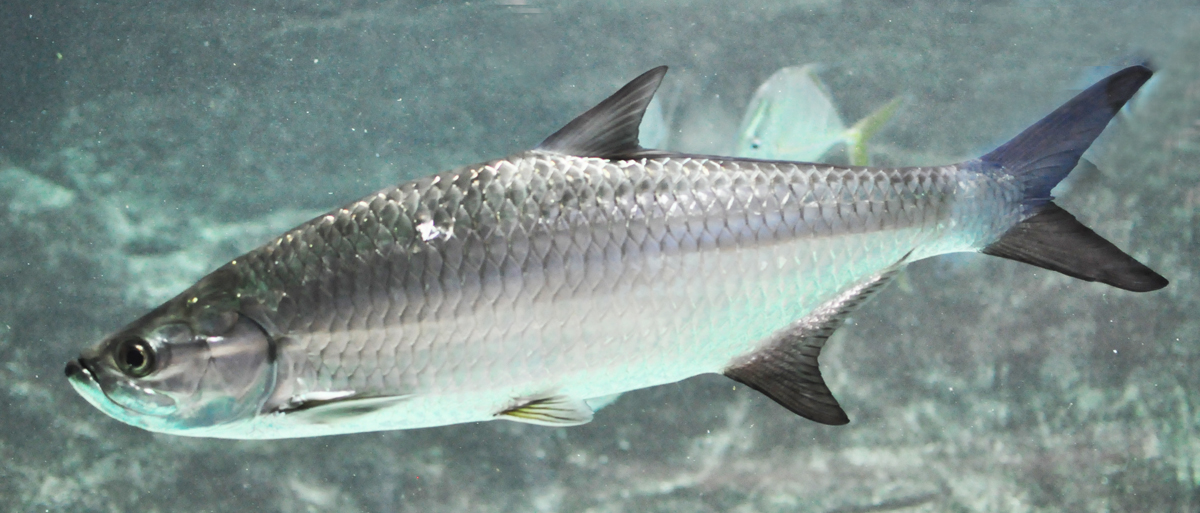
This Daytona / Space Coast fishing report covers mid-September, when the mullet run arrives on the Volusia and Brevard beaches in earnest. Tarpon are the lead target, rolling through the mullet pods from Ormond Beach down through Canaveral and Sebastian at first light. Jacks, sharks and snook follow the bait south, and the inlets are the choke points where it all comes together. Plan around the strong new moon tides and a northeast wind that pushes the mullet tight to the sand.
What’s Hitting
Tarpon from 40 to 120 pounds roll through the mullet pods just off the beach, with the best action at dawn. Big jack crevalle crash bait on every beach, and snook show in the wash from New Smyrna south. Redfish feed at Ponce Inlet and around the Sebastian Inlet jetties on the tide changes. In the lagoons, trout and slot reds work the flats of Mosquito Lagoon and the northern Indian River at first light.
Offshore, the party grounds and the reefs in 70 to 120 feet off Ponce offer kingfish and some cobia, and mahi turn up on the weedlines in 200 to 400 feet.
Where to Find Them
Drive the beach at dawn and look for birds and dark patches of mullet. The stretches from Ponce Inlet south to Bethune Beach and from Canaveral National Seashore down to Patrick Space Force Base are the most consistent. At Ponce Inlet, fish the north jetty on the outgoing tide for redfish and snook. Sebastian Inlet gives up reds, snook and jacks on both jetties. In Mosquito Lagoon, the flats around the spoil islands and the edges near Haulover Canal hold trout and reds early.
Tides & Conditions
The new moon this weekend brings strong tides through both inlets, which makes the outgoing tides especially productive for snook and reds. Expect northeast winds at 10 to 15 and 2- to 3-foot surf, with some rougher mornings. That wind pushes the mullet tight to the sand, which favors shore anglers. Water sits in the low 80s, and lagoon clarity is improving.
Tackle & Tactics
- Surf tarpon and snook: live mullet on a 6/0 circle hook with 60-pound fluorocarbon.
- Artificials: a big swimbait or a plug that matches the mullet in size when the fish are feeding aggressively.
- Jacks: a topwater popper cast at the blitz.
- Inlets: a live mullet or a flair-hawk jig on the outgoing tide.
- Lagoon: a topwater at dawn, then a soft plastic jerkbait or a shrimp under a cork.
Local Intel This Week
The Ponce Inlet boat ramp at Lighthouse Point Park is the closest to the inlet, the Haulover Canal ramp puts you in the north end of Mosquito Lagoon, and the Sebastian Inlet State Park ramp covers the south end. For the surf, beach access is easy along A1A from Ormond to New Smyrna, and Canaveral National Seashore has multiple parking areas on the Playalinda side. Expect fish on the mullet pods along the beach at first light and at the inlet jetties on the outgoing tide. Snook season is open on the Atlantic coast. Check current FWC and federal regulations and seasons before keeping fish.
This Week’s Tip
When tarpon roll in the surf, the temptation is to cast at the rolls. Instead, cast to the edge of the mullet school closest to the tarpon and let the bait drift with the current. Tarpon feed by rolling under the school and taking what falls out the bottom, so a bait working along the edge gets eaten far more often than one dropped on the roll itself.
Planning a trip to Daytona/Space Coast?
This report tells you what happened. ReelAI tells you what to do about it — a briefing for your date, your target species and how you're fishing, built from our reports plus live NOAA and USGS data.
Powered by ReelAI — fishing.digital's intelligence layer. Answers are generated from fishing.digital reports and public NOAA, NWS and USGS data, and may be incomplete or out of date. Regulations and marine safety information are summaries only; always confirm with the responsible authority before you fish.