Updated: Thursday, September 3, 2026 · Next update: Thursday, September 10, 2026
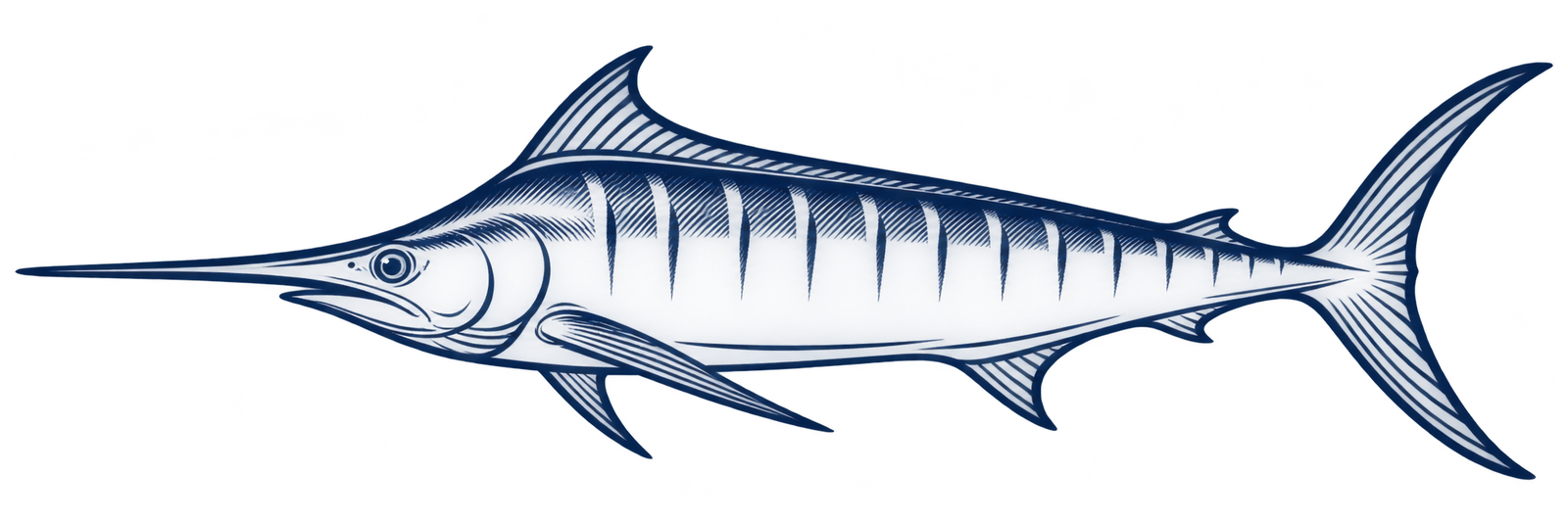
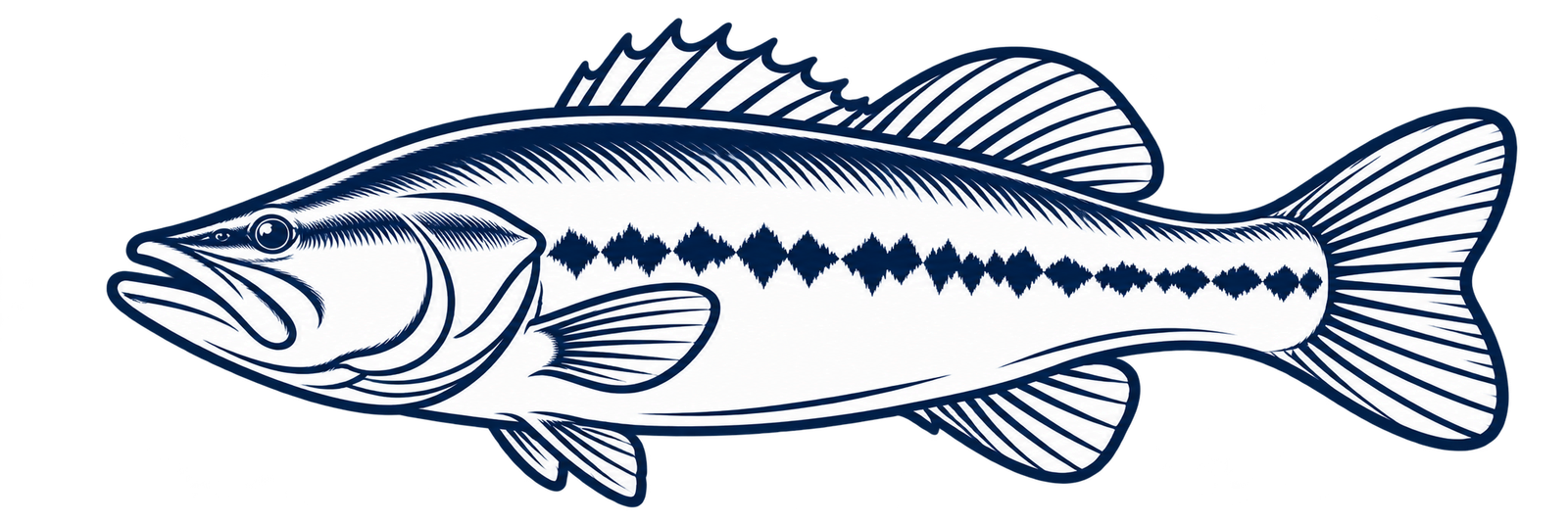
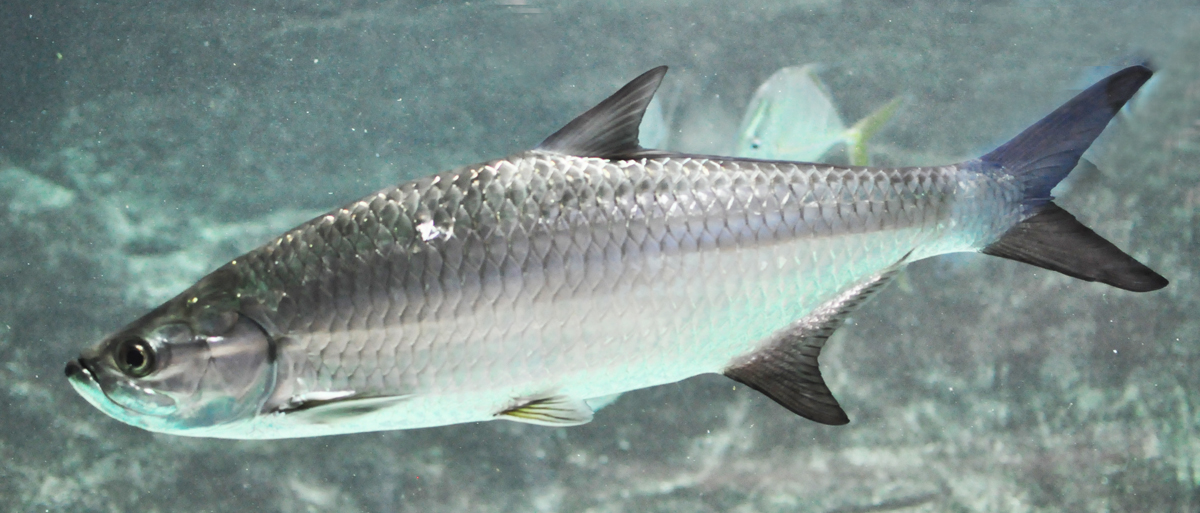
This Daytona/Space Coast fishing report covers early September, when the mullet run reaches the Volusia and Brevard beaches. The surf from Ormond down to Sebastian does what it does every September: tarpon, snook, jacks, sharks and bluefish all work the bait in the first trough. Tarpon rolling on the mullet are the lead target. Plan around the outgoing tide at the inlets and the tropical outlook, which can shut the surf down or turn it on. These are the most exciting two weeks of the year for a Space Coast beach angler.
What’s Hitting
It is the mullet run and everything feeding on it. Tarpon roll in the surf at Ponce Inlet, New Smyrna and Playalinda, and snook sit in the wash from Daytona Beach Shores south. Jack crevalle crash bait so close to the sand that swimmers get splashed.
In the Mosquito Lagoon and the northern Indian River, redfish schools work the flats on the higher water, with trout on the deeper edges early. Pompano and whiting pick up in the surf between bait pods. Offshore, the party boats target snapper and kingfish.
Where to Find Them
The Ponce Inlet jetties and the beach immediately south are the tarpon and snook zone. Playalinda Beach in Canaveral National Seashore is a long, uncrowded stretch of good surf. Sebastian Inlet loads up on the outgoing tide; inlets concentrate fish because bait moving along the beach has to funnel through the same narrow opening.
In the lagoon, target the flats around Tiger Shoal, the Whale Tail and the spoil islands near Haulover Canal for redfish.
Tides & Conditions
Surf temperatures run in the low 80s, and the mullet move on the cooler mornings and the north swells. Outgoing tides at the inlets flush bait to the fish and are the best bet.
Watch the tropical outlook closely. A distant system can build swell and shut down the surf for days, or concentrate the bait tight to the beach and turn it on. Afternoon storms continue.
Tackle & Tactics
- Surf snook and tarpon: a live finger mullet on a 5/0 circle hook and 50-pound fluorocarbon. When you target tarpon specifically, step up to 80-pound leader and an 8/0.
- Artificials: swimming plugs, big paddle-tails and topwaters in mullet patterns draw strikes when live bait is hard to snag.
- Lagoon reds: a gold spoon or weedless soft plastic worked ahead of the school.
- Trout: a popping cork with a shrimp; the pop imitates feeding noise and suspends the shrimp above the grass.
Local Intel This Week
Launch at the Lighthouse Point Park ramp at Ponce Inlet for the jetties, the North Causeway ramp in New Smyrna Beach for the inlet and the northern lagoon, the Haulover Canal ramp in Merritt Island National Wildlife Refuge for the lagoon flats and spoil islands, or the Sebastian Inlet State Park ramp at the south end. Beach anglers can walk the surf and cast to the bait pods, where fish concentrate. Canaveral National Seashore has its own access rules and hours, so plan Playalinda trips around them.
Atlantic snook season opens September 1, and slot, bag and snook permit rules apply. Check current FWC and federal regulations and seasons before keeping fish.
This Week’s Tip
Sharks are on the mullet too, and they will eat a hooked snook or tarpon off your line. When you see fins working the bait, move down the beach a few hundred yards rather than feeding the sharks your fish.
Planning a trip to Daytona/Space Coast?
This report tells you what happened. ReelAI tells you what to do about it — a briefing for your date, your target species and how you're fishing, built from our reports plus live NOAA and USGS data.
Powered by ReelAI — fishing.digital's intelligence layer. Answers are generated from fishing.digital reports and public NOAA, NWS and USGS data, and may be incomplete or out of date. Regulations and marine safety information are summaries only; always confirm with the responsible authority before you fish.