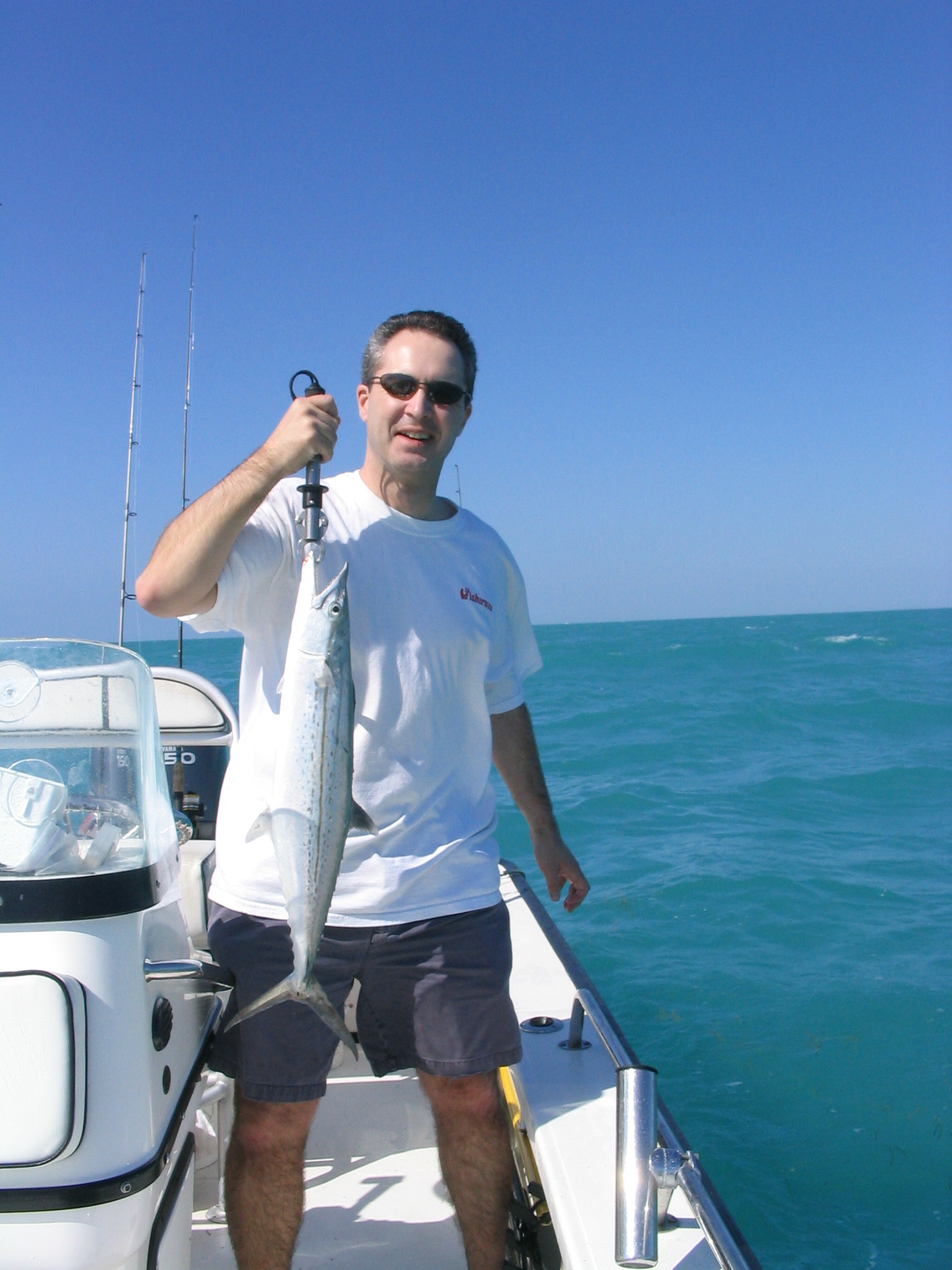
Pensacola sits at the western end of Florida’s Panhandle on the Emerald Coast — where the sugary white sand beaches and stunning emerald-green water create a backdrop for one of the Gulf’s most productive inshore and offshore fisheries. Pensacola Bay and its tributaries hold consistent redfish and seatrout, while the natural limestone reefs offshore — some of the best natural bottom in the northern Gulf — produce world-class red snapper, gag grouper, and amberjack.
Top Species in Pensacola Waters
Inshore/Bay: Redfish on the grass flats of Pensacola Bay, East Bay, and Escambia Bay; spotted seatrout; flounder in the fall; sheepshead around structure year-round; Spanish mackerel in spring.
Nearshore/Offshore: Cobia (peak March–May at Fort McRee and Ft. Pickens area), red snapper on natural reefs, gag grouper, amberjack, king mackerel, mahi offshore, and occasional wahoo in fall.
Top Fishing Spots
- Fort McRee / Perdido Pass: The western tip of Perdido Key sees the spring cobia migration — fish follow cownose rays in large numbers March through May and can be sight-cast from boats.
- Pensacola Bay Grass Flats: The upper reaches of the bay system offer excellent redfish and seatrout on extensive shallow grass flats, particularly around the Escambia and Blackwater River mouths.
- Natural Reefs (15–40 miles offshore): Pensacola is famous for its natural limestone reef systems — the “Snapper Grounds” north of the reef edge hold exceptional red snapper, gag, and amberjack populations.
- Pensacola Beach Pier: The longest pier on the Gulf Coast — excellent year-round for Spanish mackerel, king mackerel, redfish, and sheepshead. No boat required.
- Fort Pickens Area: The west end of Santa Rosa Island produces excellent surf fishing for redfish, flounder, and pompano, plus excellent sheepshead and snook around the fort structure.
Seasonal Calendar
Winter: Sheepshead peak January–March. Redfish in the deeper bay channels. Red snapper offshore year-round (state waters open).
Spring: Peak cobia season March–May. Spanish mackerel return. Seatrout on the grass flats as water warms.
Summer: Offshore red snapper season opens June 1. Mahi offshore. King mackerel nearshore. Flounder building in the passes.
Fall: Excellent redfish on the flats. Flounder peak October–November. Offshore continues strong.
Plan Your Pensacola Fishing Trip
Conditions in Pensacola Bay, Santa Rosa Sound, the pass, and the Gulf can differ sharply on the same day. Before leaving, read the latest Pensacola fishing report, browse the Pensacola report archive, and use the Pensacola seasonal fishing calendar for month-by-month timing.
A flexible day might begin on grass edges or docks in Santa Rosa Sound, shift to the pass as tidal flow strengthens, and finish along Gulf beaches if the wind stays manageable. Redfish, trout, flounder, sheepshead, pompano, and Spanish mackerel are accessible with medium spinning tackle; reefs and offshore structure require tackle matched to depth, current, and target species.
Boat Ramps and Public Access
- 17th Avenue Boat Ramp: convenient Pensacola Bay access.
- Shoreline Park South: launch access in Gulf Breeze for the sound and bay.
- Galvez Landing: useful for the Intracoastal Waterway and Perdido-area water.
- Pensacola Beach Gulf Pier: shore-based access for seasonal pelagics, pompano, and bottom species.
Verify ramp hours, fees, pier status, and storm-related closures before traveling. The pass can become hazardous when wind opposes current, and Gulf conditions may be rough even when the bay looks calm.
Local Strategy, Safety, and Regulations
In clear water, lengthen fluorocarbon leaders and make quiet presentations. After wind clouds the bay, concentrate on current seams, bridge structure, channel edges, and scent or vibration. Check current FWC and federal regulations and seasons before keeping fish; offshore rules and required reef-fish equipment can change. Surf anglers can prepare with our surf rods under $200 guide.
Seasonal adjustment: after winter fronts, slow down around deeper bay structure and protected shorelines. During warm months, launch early and be off exposed water before afternoon storms build. In spring and fall, keep a casting rod ready for visible bait, diving birds, cobia, or fast-moving mackerel rather than committing every outfit to bottom fishing.
Planning a trip?
This report tells you what happened. ReelAI tells you what to do about it — a briefing for your date, your target species and how you're fishing, built from our reports plus live NOAA and USGS data.
Powered by ReelAI — fishing.digital's intelligence layer. Answers are generated from fishing.digital reports and public NOAA, NWS and USGS data, and may be incomplete or out of date. Regulations and marine safety information are summaries only; always confirm with the responsible authority before you fish.