Updated: Thursday, September 3, 2026 · Next update: Thursday, September 10, 2026
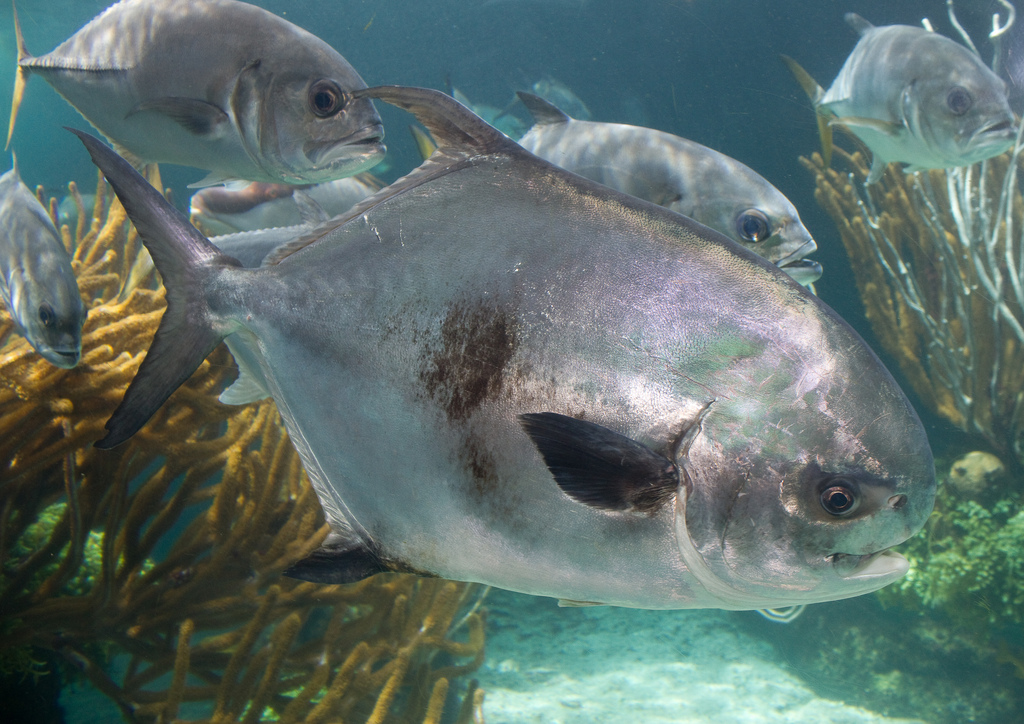
This Florida Keys fishing report covers early September, when the docks are quiet and the water is busy. Summer crowds thin out, the heat stays on, and the fishing is as consistent as it gets. Permit are the lead target, stacked on the Gulf-side wrecks, with steady yellowtail on the reef and bonefish on the ocean-side flats for anglers on the water at first light. Plan around the heat, which pushes the flats into the first two hours of light, and the peak of hurricane season.
What’s Hitting
The top play is permit on the Gulf-side wrecks off Marathon and the Lower Keys, where schools stack on the structure in 20 to 40 feet. Yellowtail snapper feed hard in the chum slicks on the reef from Islamorada down to Key West, with mangrove and mutton snapper mixed in on the deeper patches.
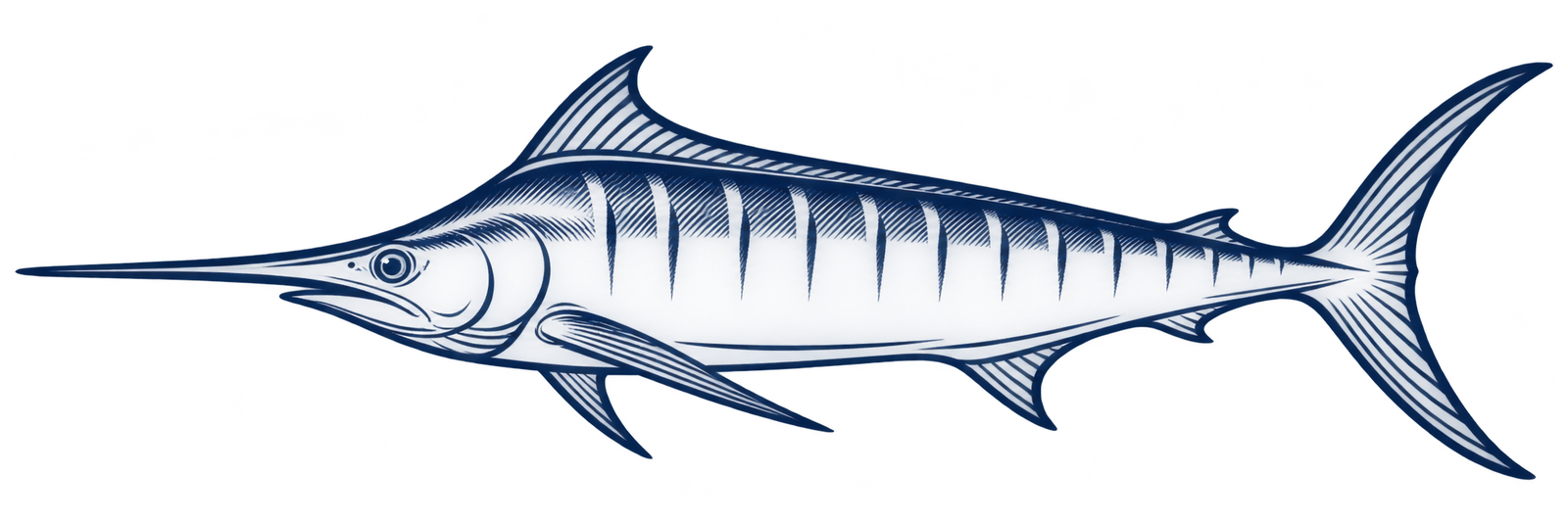
On the flats, bonefish tail on the ocean-side banks early, and a few resident tarpon hang around the Bahia Honda and Seven Mile bridges at night. Offshore, dolphin are scattered, but a few nice fish sit on the weedlines and blackfin tuna roam the humps.
Where to Find Them
For permit, run the Gulf-side wrecks and find the fish on the sounder before anchoring up-current, so a free-lined bait drifts naturally back to the school. Yellowtail are best in 50 to 90 feet along the reef edge, with Alligator Reef, Tennessee Reef and the Sombrero area all worth a stop.
Bonefish work the ocean-side flats from Islamorada through Marathon on the early incoming tide. Mutton snapper hold on the deeper wrecks and reef ledges in 100-plus feet.
Tides & Conditions
Water temperatures run in the upper 80s on the flats and mid-80s on the reef, which pushes the flats action into the first two hours of light. Light winds most mornings make the reef and wrecks easy to fish.
Afternoon thunderstorms build over the islands. Early September is peak hurricane season, so check the tropical outlook before any multi-day plan.
Tackle & Tactics
- Permit: a live crab on a 2/0 circle hook with 30-pound fluorocarbon, free-lined into the school.
- Yellowtail: a steady chum slick, small hooks and light 15-pound fluorocarbon with cut bait or a silverside drifted back weightless. Sharp-eyed yellowtail refuse baits that move unnaturally in the slick.
- Muttons: a live pinfish or fresh ballyhoo plug on the bottom.
- Bonefish: a small shrimp-pattern fly, or a live shrimp pinned lightly on a jig head.
Local Intel This Week
Launch at the Founders Park ramp in Islamorada for the upper reef and Alligator Reef, the Marathon Boat Ramp on 33rd Street for the Gulf-side wrecks and Sombrero, or the Bahia Honda State Park ramp for the Lower Keys and the bridge tarpon. Spiny lobster regular season is open and the reef is busy with divers, so give dive flags plenty of room.
Snapper, grouper and permit each carry their own rules in the Keys. Check current FWC and federal regulations and seasons before keeping fish.
This Week’s Tip
On a yellowtail anchor, the fish rise higher in the water column as the slick develops. If you are still catching them on the bottom after 20 minutes, you are fishing too deep. Shorten up and drift baits back in the chum where the bigger flags are feeding.
Planning a trip to Florida Keys?
This report tells you what happened. ReelAI tells you what to do about it — a briefing for your date, your target species and how you're fishing, built from our reports plus live NOAA and USGS data.
Powered by ReelAI — fishing.digital's intelligence layer. Answers are generated from fishing.digital reports and public NOAA, NWS and USGS data, and may be incomplete or out of date. Regulations and marine safety information are summaries only; always confirm with the responsible authority before you fish.