
Updated: Thursday, August 13, 2026 · Next update: Thursday, August 20, 2026
This Fort Lauderdale fishing report covers mid-August, when South Florida runs its summer routine: flat mornings, a hard afternoon storm, and a fishery that rewards anyone willing to leave the dock in the dark. Mahi along the offshore weedlines are the lead target, and a strong current running close puts good blue water within a short run of Port Everglades. The condition to plan around is the new moon, which sets up the best night tarpon fishing of the month at the inlets.
What’s Hitting
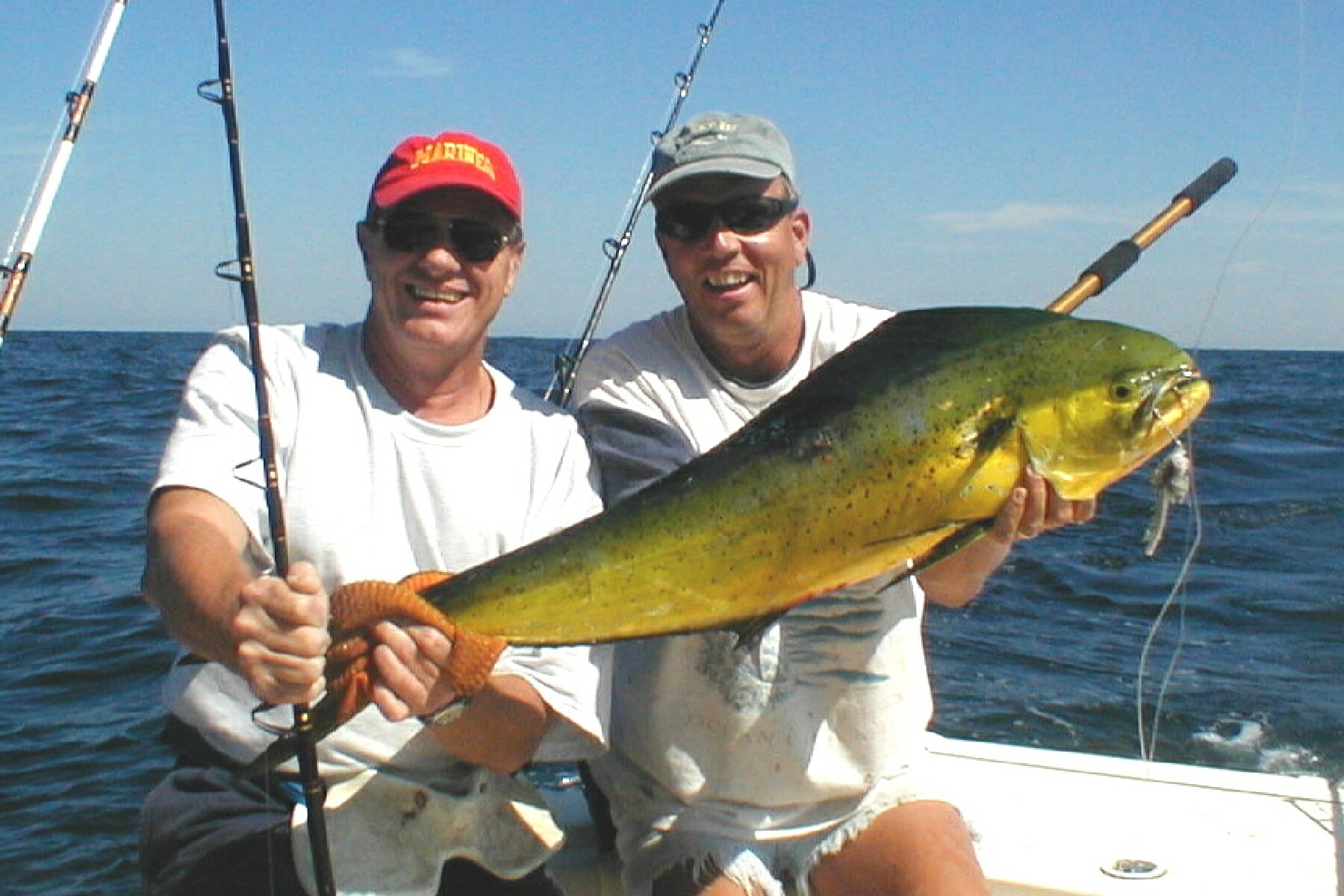
Mahi are the primary offshore target, scattered but findable along the weedlines and current edges in 300 to 800 feet. Mutton snapper feed well on the reef edge in 70 to 120 feet, particularly around the new moon. Blackfin tuna show on the humps and the deeper wrecks at first light.
Inside, tarpon work the Port Everglades inlet and the New River bridges on the night tides, and snook stack in the same places. Snook are catch-and-release only under the closed harvest season. From shore, snapper and jacks round out the mix around the inlet rocks.
Where to Find Them
The weedlines set up 8 to 14 miles out depending on the day’s current. Run east until you find a clean edge with life on it rather than committing to a number. Target the reef edge off Commercial and Oakland Park for muttons on the drift.
After dark, Port Everglades and Hillsboro Inlet hold tarpon and snook, and the Intracoastal bridge lights from Las Olas north are worth a late-night pass. Bridge lights draw bait to the surface, and snook sit in the shadow just up-current waiting for it to wash by.
Tides & Conditions
Expect offshore water from 84 to 86 degrees with a strong north-setting current, and high 80s inshore. Blue water typically sits within 6 to 10 miles on mid-August mornings. New-moon tides bring the biggest exchange of the month through the inlets, and that is exactly when tarpon feed hardest on the outgoing. Morning seas run 1 to 2 feet and build in the afternoon with storms, so start early and plan to be back before the weather.
Tackle & Tactics
- Mahi: keep a spinning rod rigged with a small ballyhoo or a bucktail ready to pitch. The fish are often small and boat-shy, so a light 40-pound leader helps.
- Muttons: a fresh ballyhoo or pinfish on a long fluorocarbon leader with a knocker rig.
- Inlet tarpon: live mullet or crabs on 60- to 80-pound leader, or a heavy flair hawk jig worked in the current.
- Bridge snook: live pilchards and swimbaits on the shadow lines.
Local Intel This Week
The 15th Street ramp and the Hollywood ramp on Dania Cutoff Canal are the practical launches for inlet and offshore trips; both put you close to Port Everglades for an early run east. Land-based anglers can target snapper and jacks from the Hillsboro Inlet jetty and the Anglin’s Pier area. Concentrate on the inlets and current edges rather than spreading out over the flat reef.
Snook harvest is closed on the Atlantic coast and several reef species are under federal restriction. Check current FWC and federal regulations and seasons before keeping fish.
This Week’s Tip
Don’t run to a number offshore. Run east until you find a weedline that actually holds life, such as flying fish, small tripletail or birds working, and then work it thoroughly. A clean, empty weedline is just floating grass; ten minutes of looking beats an hour of trolling dead water.
Planning a trip to Fort Lauderdale?
This report tells you what happened. ReelAI tells you what to do about it — a briefing for your date, your target species and how you're fishing, built from our reports plus live NOAA and USGS data.
Powered by ReelAI — fishing.digital's intelligence layer. Answers are generated from fishing.digital reports and public NOAA, NWS and USGS data, and may be incomplete or out of date. Regulations and marine safety information are summaries only; always confirm with the responsible authority before you fish.