
Updated: Thursday, June 11, 2026 · Next update: Thursday, June 18, 2026
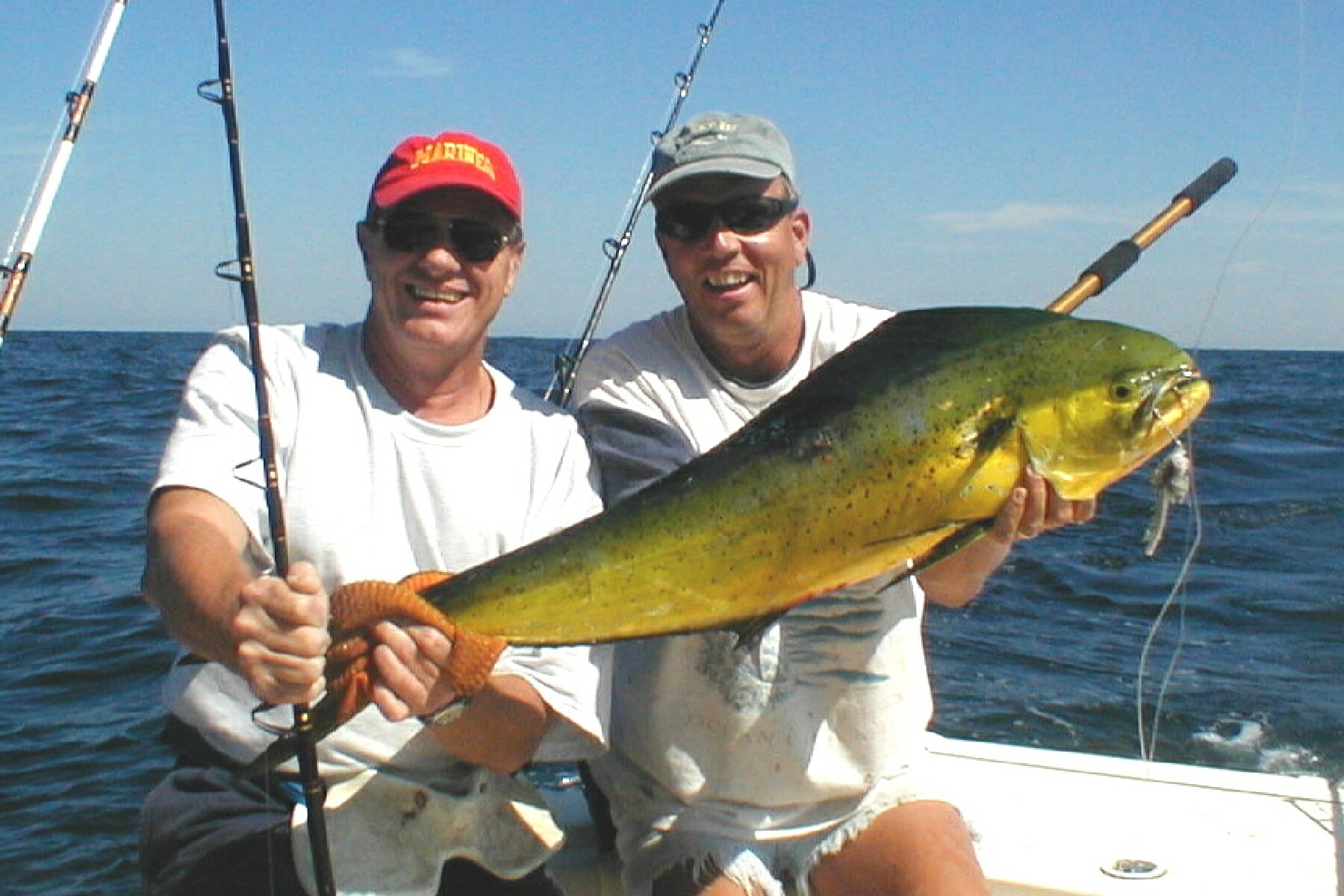
Mid-June makes offshore the story, and this Fort Lauderdale fishing report leads with mahi-mahi on the weed lines and color changes in 300 to 700 feet. Expect schoolies and the occasional larger bull, with frigate birds pointing the way to the better water. Kingfish, bonito, reef snapper and morning tarpon give plenty of options closer in. The condition to plan around is the daily cycle: light early wind and calm seas until the sea breeze fills in around midday, then a storm line building over the Everglades in the afternoon.
What’s Hitting
Mahi lead offshore. Closer in, kingfish and bonito work bait schools along the beach and over the nearshore wrecks, and a few sailfish still rise on the troll, though the spring run tapers.
Along the beach, tarpon roll on the morning tides for anglers willing to start early. Snook sit around the inlets and bridges, but the Atlantic season is closed, so release them and enjoy the fight. On the reef, mutton and mangrove snapper feed on the deeper edges, with scattered grouper over the structure.
Where to Find Them
Fish concentrate on defined edges: weedlines and rips offshore, the 70- to 110-foot reef drop at night, and the bridge shadow lines inshore. Open water in between is largely empty. Weedlines attract mahi because floating mats shade and shelter baitfish.
Tides & Conditions
Expect light early wind, clean blue water close to the beach, and calm seas until the sea breeze fills in around midday. A storm line builds over the Everglades and pushes east in the afternoon, which gives most boats a clean four- to five-hour offshore window off a first-light departure.
Night reef trips are the better bet for anyone who cannot get out early, since the after-dark snapper bite is steadier than anything in the middle of the day.
Tackle & Tactics
- Weedlines: a patience game. Idle rather than troll on a good edge, keep a pitch rod rigged with a small ballyhoo or a bucktail, and look for bait flickering in the shade beneath the mat rather than fish showing on top. With no bait underneath, leave and find another line. Trolling ballyhoo and pitching live bait under debris both work.
- Kings and bonito: live goggle-eyes and threadfins around bait schools and nearshore wrecks.
- Night reef: start the chum slick before you drop a bait and keep it absolutely steady. Muttons want a 30-pound fluorocarbon leader on a knocker rig with fresh cut bait; mangrove snapper want 20-pound or lighter and a smaller hook.
- Inshore: crabs and mullet for beach tarpon; a flair-hawk jig swung on the current or a live mullet on 50-pound leader for bridge snook, released quickly.
Local Intel This Week
The 15th Street Boat Ramp is the workhorse launch for Port Everglades and the offshore run, and it fills by 6:30 a.m. on weekends, so arrive early. The Cove ramp in Deerfield Beach is the better option for the northern reef line, and the Hollywood ramp at North Lake serves the south end and the Intracoastal dock lines. Shore anglers can fish the Anglin’s Pier area in Lauderdale-by-the-Sea, the Port Everglades jetty where access allows, and the lighted bridges along the Intracoastal after dark.
Check current FWC and federal regulations and seasons before keeping fish.
This Week’s Tip
Check the current before you commit to a long offshore run. If the Gulf Stream edge pushes well east, the weedlines close in are stale. A quick look at sea surface temperature and current charts tells you whether the productive edge sits at eight miles or eighteen.
Planning a trip to Fort Lauderdale?
This report tells you what happened. ReelAI tells you what to do about it — a briefing for your date, your target species and how you're fishing, built from our reports plus live NOAA and USGS data.
Powered by ReelAI — fishing.digital's intelligence layer. Answers are generated from fishing.digital reports and public NOAA, NWS and USGS data, and may be incomplete or out of date. Regulations and marine safety information are summaries only; always confirm with the responsible authority before you fish.