
Updated: Thursday, June 18, 2026 · Next update: Thursday, June 25, 2026
This Fort Lauderdale fishing report covers mid-June, when South Florida’s summer offshore season is in gear. Mahi scatter along the Gulf Stream edge, keyed to weed lines and color changes, with the occasional sailfish and tuna mixed in. Inshore, tarpon work Port Everglades and the beaches, and the reef line holds snapper. The condition to plan around is the daily weather cycle: make the offshore run early, while the morning is calm, and be headed home before the afternoon storms stack up over the Atlantic.
What’s Hitting
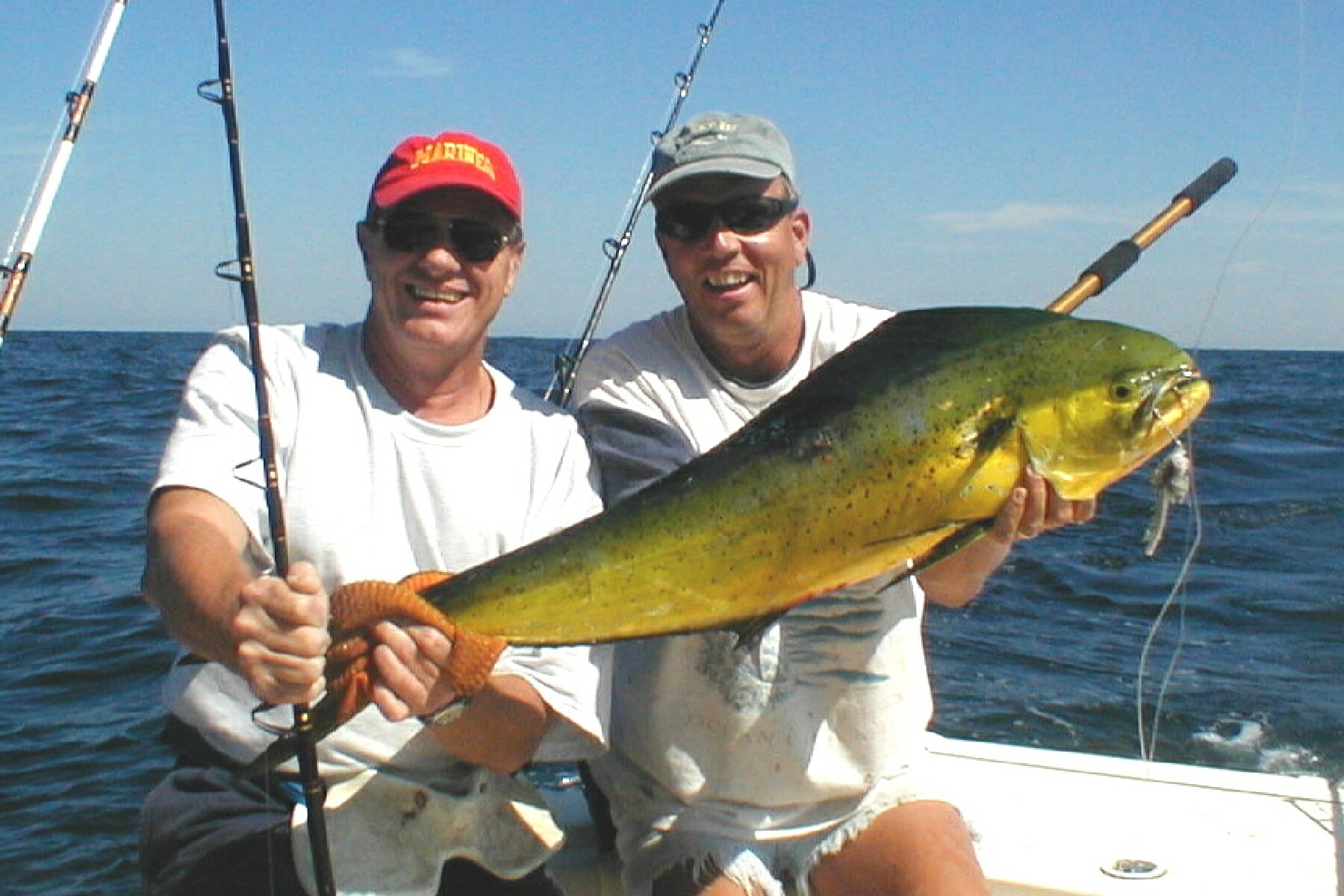
Mahi are the offshore target along the weed lines and color changes in the Gulf Stream. Sailfish, blackfin tuna and bonito mix in, and kingfish patrol the reef edge.
Inshore, tarpon roll in Port Everglades and along the beaches, and mangrove and mutton snapper feed on the reefs. Snook line the inlet and beaches and are release only.
Where to Find Them
Push offshore to the 120- to 250-foot edge and run weed lines, debris and frigate birds for mahi. Floating weed and debris shelter baitfish in open water, and mahi patrol those edges to feed, so structure with life on it matters more than any single number.
The reef line in 60 to 120 feet holds snapper and kings, and the deeper patch reefs stack up with mangrove snapper, especially around the spawn. Inshore, fish Port Everglades and the beaches for tarpon on the tide, and the inlet rocks for snook.
Tides & Conditions
Mahi fishing keys on finding weed lines, current edges and bird activity along the Stream. The Gulf Stream sits in close, which puts the mahi edge within an easy morning run before the building southeast breeze stands the seas up.
Tarpon feed on the moving tides in the inlet, with fish piling in on the night and early tides. Water is warm. The morning offshore window is the calmest, so plan to be running home before the daily thunderstorms develop.
Tackle & Tactics
- Mahi: troll rigged ballyhoo on the edge, or run and gun with spinning gear and pitch baits to floating debris and weed lines.
- Pitch rod: keep one rigged and ready, because summer mahi often show up fast around any floating structure.
- Tarpon: live mullet and crabs in the inlet on 50- to 60-pound fluoro.
- Snapper: light fluoro and live baits on the reef.
Local Intel This Week
The 15th Street and Harbordale ramps are the closest public access to Port Everglades Inlet and the offshore edge. Launch at first light to reach the weed lines past the inlet while the seas are flat, then swing back through the inlet on the tide for a shot at tarpon along the beaches.
Check current FWC and federal regulations and seasons before keeping fish.
This Week’s Tip
Cover water until you find life offshore. A weed line with no bait and no birds is just grass; keep moving until you find the edge holding flying fish, frigate birds or schoolie mahi flashing. Once you find one good piece of structure with life on it, work it thoroughly before running again, because summer dolphin travel in packs.
Planning a trip to Fort Lauderdale?
This report tells you what happened. ReelAI tells you what to do about it — a briefing for your date, your target species and how you're fishing, built from our reports plus live NOAA and USGS data.
Powered by ReelAI — fishing.digital's intelligence layer. Answers are generated from fishing.digital reports and public NOAA, NWS and USGS data, and may be incomplete or out of date. Regulations and marine safety information are summaries only; always confirm with the responsible authority before you fish.