Updated: Thursday, August 27, 2026 · Next update: Thursday, September 3, 2026
This Fort Myers fishing report covers late August, wet-season fishing in its purest form. The Caloosahatchee pushes a lot of fresh water into the sound, the passes move hard on the tides, and fish sort themselves along the salinity line. Mangrove snapper on structure are the most reliable target, with snook on the beaches and redfish in the backwater. Read that line and the pattern stays consistent day to day.
What’s Hitting
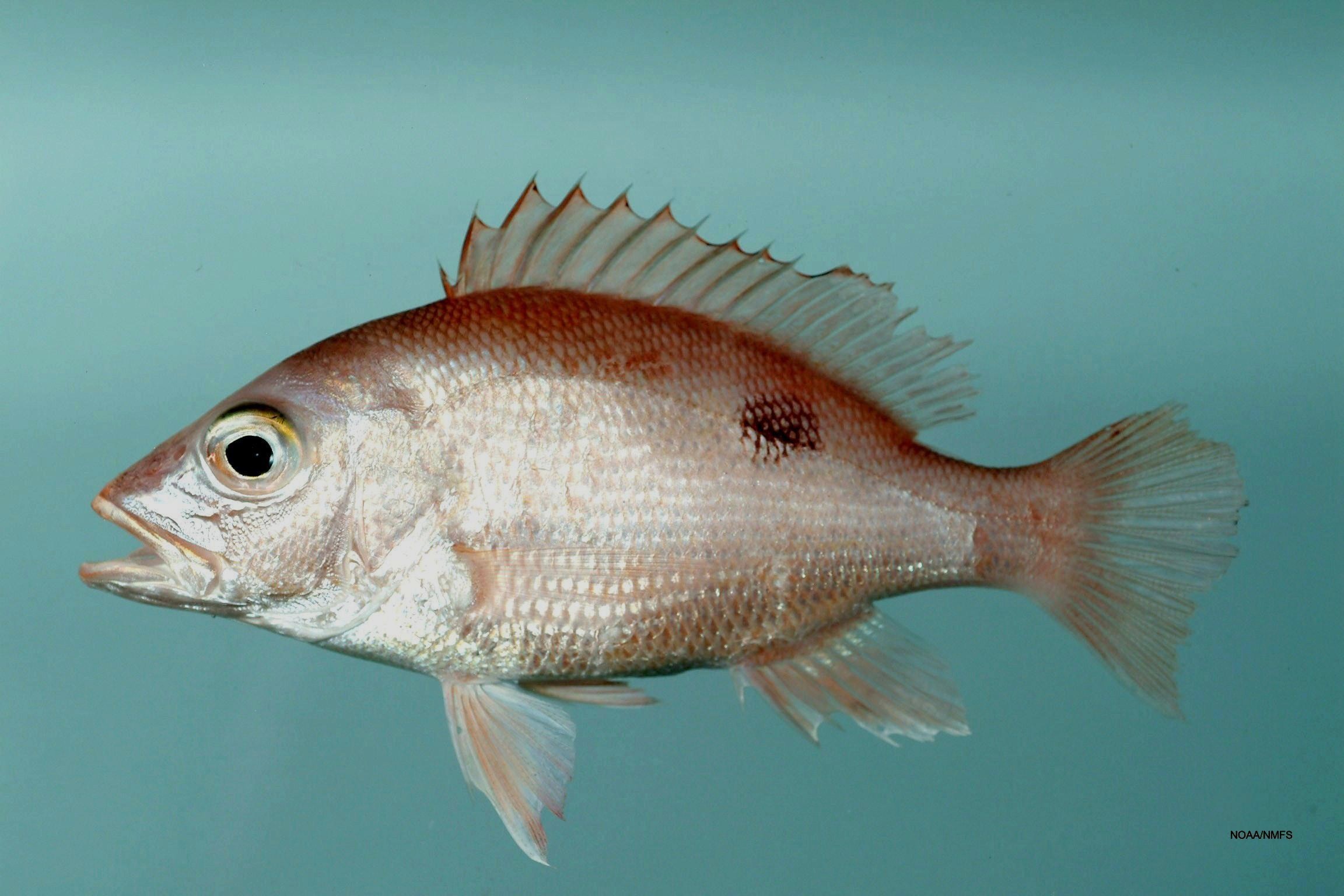
Mangrove snapper stack on the bridge pilings, pass rocks, dock lines and nearshore hard bottom.
Snook cruise the beaches of Sanibel, Captiva and Bonita at first light and set up in Blind Pass, Redfish Pass and Captiva Pass on the outgoing tide. Redfish work backwater mangrove edges and oyster bars, and speckled trout sit on the deeper grass in Pine Island Sound early. Nearshore, look for Spanish mackerel and a few late tarpon around the passes and beach bars.
Where to Find Them
Blind Pass, Redfish Pass, Captiva Pass and Boca Grande to the north are the snook and snapper highways. Fish the rocks and channel edges on moving water.
In Pine Island Sound and Matlacha Pass, work the mangrove points, oyster bars and creek mouths on the higher tide stages for redfish and juvenile snook. Trout hold on deeper grass in three to six feet. The Sanibel Causeway bridges and the pilings under the Matlacha bridge are dependable snapper spots. Watch the salinity edge in the Caloosahatchee; it moves with the rain, and the fish follow it.
Tides & Conditions
Expect water in the upper 80s inshore. Wet-season runoff leaves the upper Caloosahatchee stained and fresh, and heavy release weeks push that stain well down toward the sound.
Tides are moderate. The passes fish best on the last of the outgoing, when bait flushes out of the back, and the beach fishes best in the first hour of daylight, before the sun and boat traffic get up. Afternoon storms are a daily event, so start early and be off by early afternoon.
Tackle & Tactics
- Mangrove snapper: light tackle is not optional. Use 20-pound braid, a 20- to 25-pound fluorocarbon leader, a No. 1 or 1/0 hook and a small live shrimp fished tight to the pilings. Heavy leader in clear water is why most anglers fail to catch them.
- Beach snook: a small white paddletail or a live scaled sardine on a 2/0 to 3/0 circle, cast parallel to the wash rather than out to sea.
- Pass snook: step up to 30-pound braid, a 40-pound leader and a heavier jighead.
- Backwater reds: a weedless soft plastic or a cut ladyfish chunk on a light Carolina rig.
Local Intel This Week
The Punta Rassa Boat Ramp at the Sanibel Causeway is the quickest launch for the passes. The Matlacha Community Park ramp and the Pine Island ramp at Bokeelia cover Matlacha Pass and Pine Island Sound, and the Imperial River and Bonita Beach ramps serve the south end. Shore anglers can fish the Sanibel Causeway islands for snapper and the Sanibel fishing pier at dawn.
Snook and redfish rules in this region have been adjusted after recent red tide events. Check current FWC and federal regulations and seasons before keeping fish.
This Week’s Tip
When mangrove snapper pick baits clean without a hookup, the problem is almost always the leader, not the hook. Drop from 30-pound fluorocarbon to 20, then to 15 if you have to. It feels reckless around barnacle-covered pilings, but three hookups on light leader beat twenty bait-stealing taps on heavy leader every time.
Planning a trip to Fort Myers/Sanibel?
This report tells you what happened. ReelAI tells you what to do about it — a briefing for your date, your target species and how you're fishing, built from our reports plus live NOAA and USGS data.
Powered by ReelAI — fishing.digital's intelligence layer. Answers are generated from fishing.digital reports and public NOAA, NWS and USGS data, and may be incomplete or out of date. Regulations and marine safety information are summaries only; always confirm with the responsible authority before you fish.