
This is peak tarpon time around Fort Myers and Sanibel, and the first week of June is showing it. Silver kings are stacked in the passes, snook line the beaches, and the nearshore reefs are loaded with snapper. Here is what to expect this week.
What’s Hitting
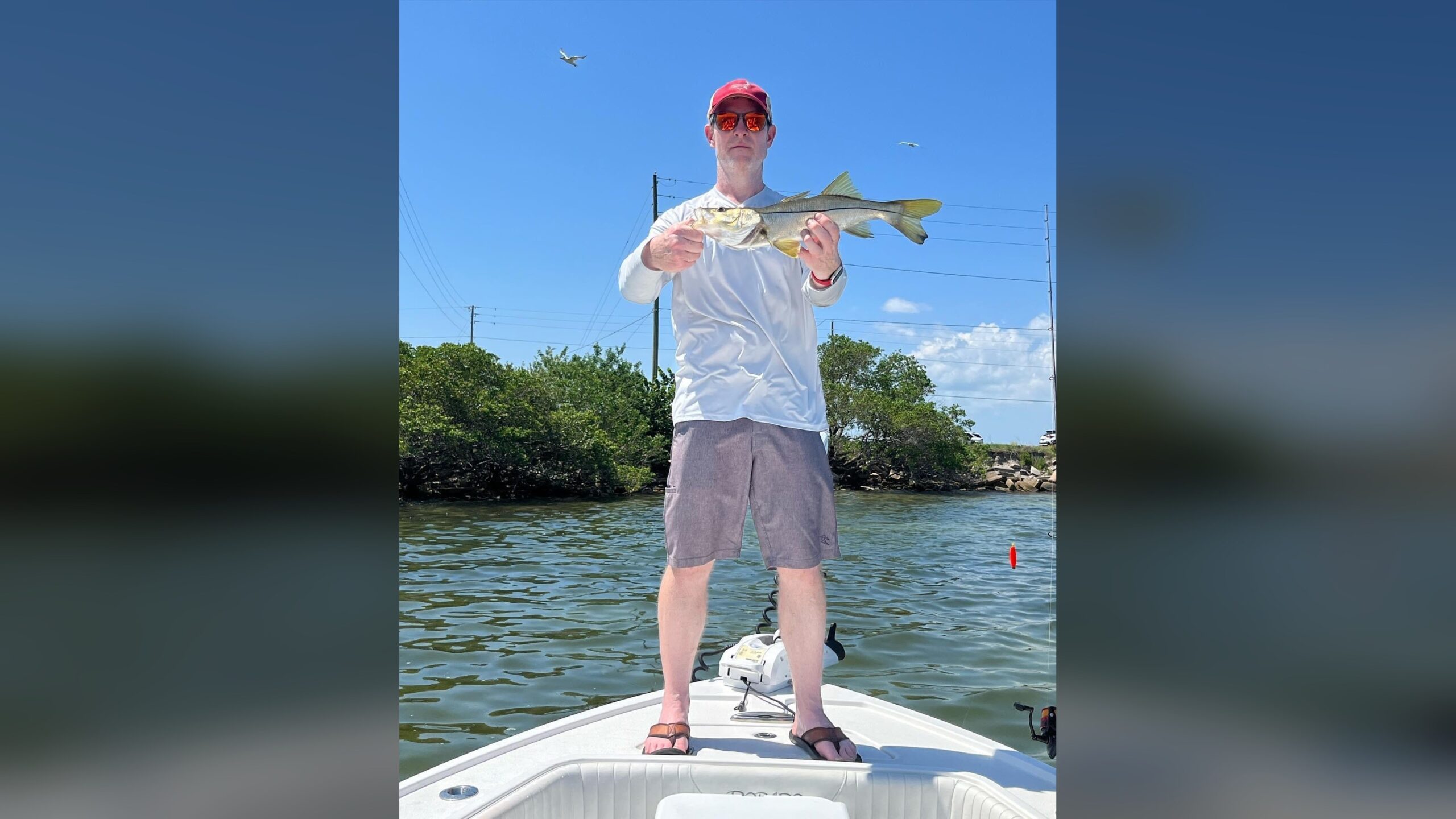
Tarpon dominate the conversation. Big fish are piled in Boca Grande Pass to the north and through Captiva and Redfish Passes, with strings of fish working the beaches in the calm mornings. Snook have moved to the beaches and pass edges for their summer spawn — catch-and-release on the Gulf coast right now. Nearshore, mangrove snapper, Spanish mackerel, and permit are on the reefs and wrecks. Redfish and trout fill out the backwater bite.
Where to Find Them
Tarpon are in the passes on the moving tide and along the beaches of Sanibel and Captiva at first light. Snook are right in the surf line and around the pass rocks. Work the nearshore reefs in 25–50 feet for snapper and permit. In the sound and the river, the oyster bars and dock lines hold reds and trout on the moving water.
Tides & Conditions
Glassy mornings are essential for beach tarpon and snook — get out early. The passes fish best on a strong moving tide. Afternoon thunderstorms are now a daily event, so plan an early return. Water temps are in the mid-80s.
Tackle & Tactics
For pass tarpon, a live crab or pass crab on a 7/0 circle hook is the go-to; on the beach, a swimming mullet or white jig covers water. Use 50–60 pound fluoro. For snapper, drop to 20-pound leader and live shrimp. Backwater reds eat cut bait and gold spoons; trout fall to popping corks over the grass.
Spots & Access This Week
Launch from the Punta Rassa ramp at the foot of the Sanibel Causeway for the quickest shot at Captiva and Redfish passes, or use the Matlacha and Pine Island ramps to reach the Pine Island Sound backcountry. The causeway islands and the Sanibel fishing pier give shore-bound anglers a real chance at snook and snapper. Fish are concentrating in the pass mouths on the moving tide and along the Gulf beaches in the calm morning hours. Check current FWC regulations and seasons before keeping any fish — Gulf snook are catch-and-release through the summer. Mangrove snapper are stacking on the nearshore structure and around the causeway, offering a reliable bend in the rod when the tarpon bite goes quiet between tides.
Dialing In the Tide
The pass tarpon stack on the strongest part of the outgoing water, so time your drifts to the peak of the moving tide rather than the slack. Stage well up-current, cut the motor, and let live crabs or threadfins sweep down to the fish naturally. In the sound, work the incoming tide tight to the mangroves and oyster bars for reds, and downsize your leader in the clear summer water to draw more strikes. Keep an eye on the afternoon radar — Southwest Florida storms build fast over the interior and push to the coast, so the morning window is the one to fish hard.
This Week’s Tip
During the pass tarpon bite, current is everything. Fish the strongest part of the moving tide and let your crab drift naturally with the flow rather than anchoring tight and fighting the current. A bait moving with the water looks natural and gets bit; a bait pinned in place against the tide gets ignored.
More Fort Myers / Sanibel Resources
Fort Myers / Sanibel Fishing Guide · Fort Myers / Sanibel Seasonal Calendar · All Fort Myers / Sanibel reports →
Also read: Fort Myers/Sanibel Fishing Report — Week of July 30, 2026: Beach Snook, Redfish on the Bars
Reports updated every Thursday on fishing.digital.
Planning a trip to Fort Myers/Sanibel?
This report tells you what happened. ReelAI tells you what to do about it — a briefing for your date, your target species and how you're fishing, built from our reports plus live NOAA and USGS data.
Powered by ReelAI — fishing.digital's intelligence layer. Answers are generated from fishing.digital reports and public NOAA, NWS and USGS data, and may be incomplete or out of date. Regulations and marine safety information are summaries only; always confirm with the responsible authority before you fish.